Escalating Humanitarian Crisis in Pakistan-Occupied Territories Amid Systematic Neglect
Synopsis
The humanitarian situation in Pakistan-occupied Jammu and Kashmir and Gilgit-Baltistan is spiraling as essential services dwindle and protests erupt against systemic injustices. This report sheds light on the deepening crisis fueled by neglect and repression.
Key Takeaways
Humanitarian crisis deepening in PoJK and PoGB.
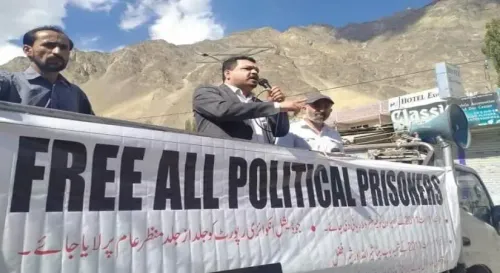
Protests highlight widespread societal discontent .
Authorities respond with repression and crackdowns .
Local populations face resource exploitation and land ownership issues .
International attention is growing, but responses remain limited.
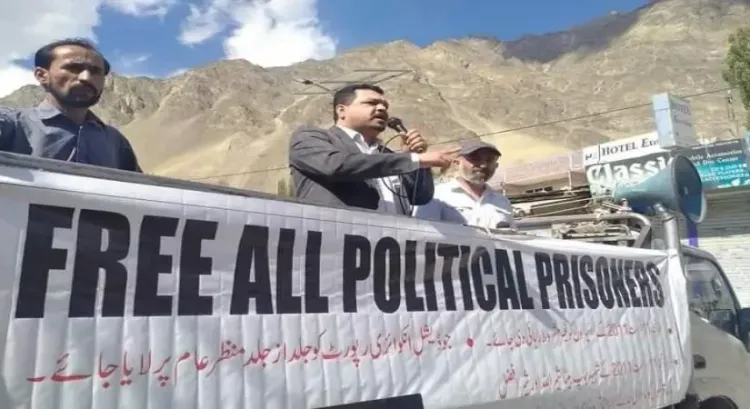
London, March 20 (NationPress) The lack of fundamental services in the regions of Jammu and Kashmir (PoJK) and Gilgit-Baltistan (PoGB) under Pakistani control has resulted in a growing humanitarian crisis. Key issues such as inflation, unemployment, food insecurity, and power shortages are compounded by political marginalization and a security-centric governance model, as detailed in a recent report.
As outlined in a report by the UK-based publication 'Asian Lite', the rising participation of women and students in protests underscores widespread societal dissatisfaction, indicating a deep-rooted crisis stemming from systematic neglect.
With increasing unrest and intensifying governmental crackdowns, the deteriorating humanitarian conditions in PoJK and PoGB reveal the implications of Pakistan's administrative strategies in these regions, which lack constitutional acknowledgment.
“The protests extend beyond mere food pricing. Issues like electricity shortages and exorbitant power bills have become persistent challenges. Despite the presence of significant hydropower facilities, locals face extended periods of power outages while being billed at commercial rates. This inconsistency exemplifies a broader crisis—areas rich in natural resources yet deprived of their advantages,” the report elaborated.
“In PoJK, similar protests have escalated into widespread shutdowns. Protesters have refused to pay electricity bills, citing unaffordable rates, unpaid wages, and the diminishing of civil liberties. Authorities often respond with arrests, communication blackouts, and forceful measures,” it added.
Furthermore, in PoGB, ownership of land has emerged as a significant point of contention, with vast areas designated as state property, stripping communities of their legal rights to ancestral lands.
“Accusations of land seizures related to infrastructure and strategic projects have heightened local discontent, especially where residents face displacement without compensation. Resource exploitation follows a similar troubling trajectory,” it noted.
Moreover, the electricity produced by hydropower initiatives in PoJK and PoGB primarily serves Pakistan's national grid, while local populations grapple with power deficits and soaring costs.
“The belief that regional resources are extracted for external gain has intensified distrust towards federal authorities,” the report stated.
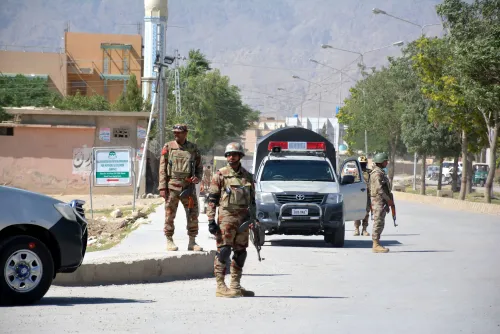
Emphasizing the oppression in these territories, critics contend that Pakistani security forces, notably the Inter-Services Intelligence, focus more on suppressing dissent than addressing the underlying issues.
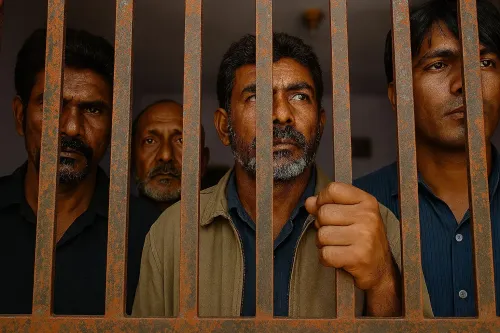
“Reports by rights organizations frequently mention allegations of surveillance, intimidation, and enforced disappearances,” the report highlighted.
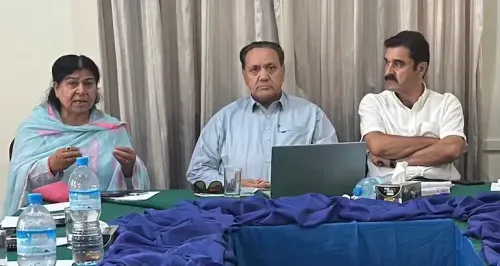
While the crisis has begun to draw intermittent international attention, activists from PoJK and PoGB raised serious concerns about restrictions on freedom of expression and the right to peaceful assembly during a side event at the UN Human Rights Council session in Geneva in 2025.
“Speakers highlighted systematic oppression and the lack of legal safeguards for millions residing in these disputed areas. Despite such advocacy, Pakistan's official response has largely been one of denial. Authorities often attribute protests to 'external influences,' a narrative that overlooks the documented economic and humanitarian issues raised by the residents themselves,” the report concluded.
Frequently Asked Questions
What is the current humanitarian situation in Pakistan-occupied Kashmir?
The humanitarian situation is dire, characterized by inflation, unemployment, food insecurity, and power shortages, exacerbated by political exclusion and inadequate governance.
Why are protests occurring in PoJK and PoGB?
Protests are driven by rising discontent over issues such as high electricity bills, unpaid salaries, and the erosion of civil liberties, alongside ongoing economic hardships.
What role do security forces play in these regions?
Security forces, particularly the Inter-Services Intelligence, are criticized for prioritizing the control of dissent rather than addressing the grievances of the local population.
How has the international community responded to this crisis?
International attention has been sporadic, with activists raising concerns about human rights violations at global forums, but official responses from Pakistan have largely been dismissive.
What are the underlying causes of the humanitarian crisis?
The crisis stems from a combination of political neglect, economic mismanagement, resource exploitation, and a lack of constitutional integration of these territories.