Amnesty slams Pakistan over re-arrest of rights lawyers hours after SC bail
Synopsis
Pakistan's Supreme Court granted bail to two jailed human rights lawyers — only for them to be re-arrested within hours. Amnesty International says the sequence strips away any pretence of legal legitimacy and lays bare a pattern of using the justice system to silence critical voices.
Key Takeaways
Amnesty International condemned Pakistan's re-arrest of lawyers Imaan Zainab Mazari-Hazir and Hadi Ali Chattha on 18 September 2026 .
Pakistan's Supreme Court had granted both lawyers bail and suspended their sentences hours before they were re-arrested.
The two were originally arrested on 23 January ; a court sentenced each to 17 years in prison and fined each PKR 36 million on 24 January .
New charges reportedly relate to attending a peaceful protest , which Amnesty called 'absurd.' The Supreme Court bench questioned the Islamabad High Court for not following the apex court's 12 May order.
Amnesty's Babu Ram Pant demanded their immediate and unconditional release.
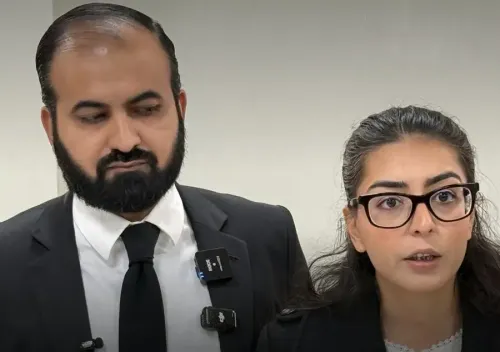
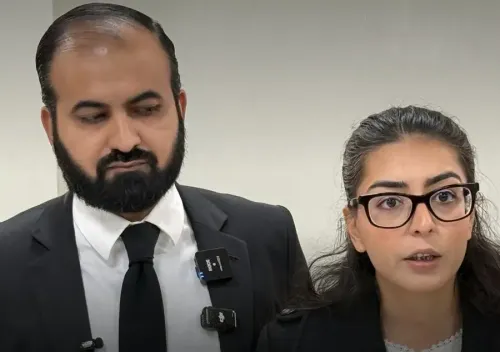
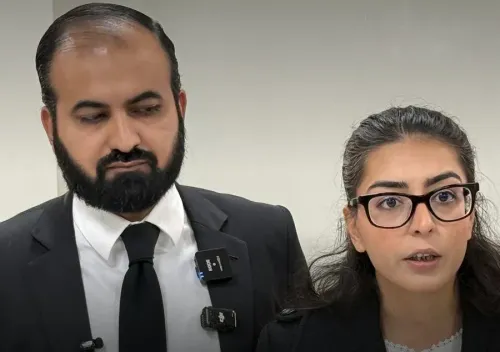
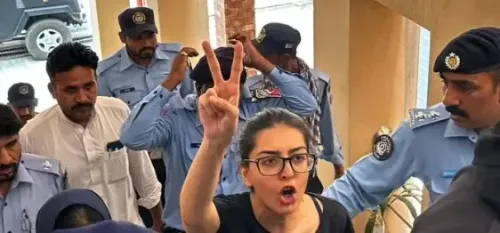
Amnesty International on Thursday, 18 September 2026, condemned the re-arrest of Pakistani human rights lawyers Imaan Zainab Mazari-Hazir and Hadi Ali Chattha just hours after Pakistan's Supreme Court granted them bail, accusing authorities of weaponising the justice system against critical voices. The global rights body called for their immediate and unconditional release.
What Happened
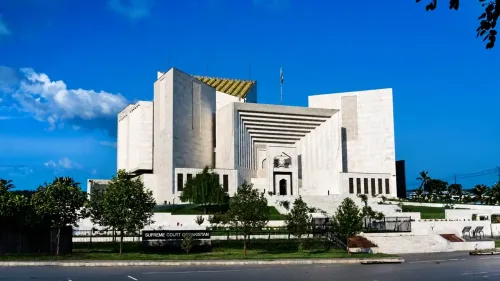
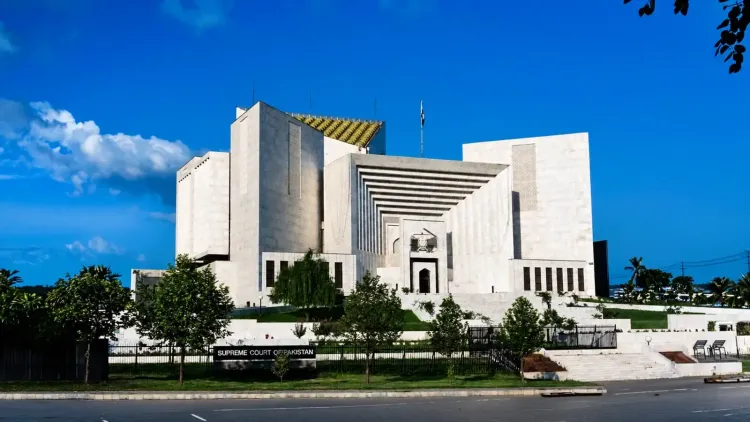
A division bench of the Supreme Court of Pakistan on Thursday granted both lawyers bail and suspended their sentences in a case linked to social media posts. Within hours, however, the two were re-arrested — a sequence that Amnesty International described as exposing the politically motivated nature of the charges against them.
Babu Ram Pant, Amnesty International's Deputy Regional Director for South Asia, said: 'Imaan and Hadi's re-arrest dispels any pretence that the charges against them are anything other than a politically motivated attempt to punish them for their human rights work. Their case demonstrates once again the authorities' willingness to weaponise the legal system against critical voices.'
The Charges and Judicial History
Imaan and Hadi were first arrested on 23 January. The Anti-Terrorism Court (ATC) sent them to 14 days' judicial remand. The very next day — 24 January — a District and Sessions Court sentenced each of them to 17 years in prison and imposed a fine of PKR 36 million each on multiple charges arising from social media posts.
Both lawyers challenged their conviction before the Islamabad High Court (IHC) and also sought suspension of their sentences. With the matter still pending before the IHC, the couple moved the Supreme Court directly. The Supreme Court bench on Thursday raised questions over the IHC's conduct, noting it was 'strange' that the high court had referenced the apex court's 12 May order but did not follow it, according to Pakistani daily The Express Tribune.
Amnesty's Demand
Pant stated that the latest charges — reportedly filed for attending a peaceful protest — were 'not only absurd but an insult to their lifelong commitment to human rights.' He demanded that Pakistani authorities stop misusing the justice system to prolong their detention.
'The Pakistani authorities must stop misusing the justice system to target Imaan and Hadi. They must be released immediately and unconditionally, with no further charges to prolong their detention. Imaan and Hadi should be free to meet their friends and family and to do the work they love — representing victims of human rights violations,' Pant said.
Broader Context
This is not an isolated case. Rights groups have repeatedly flagged Pakistan's use of the Anti-Terrorism Act and social media laws to detain journalists, lawyers, and activists critical of the state. The re-arrest of two individuals minutes after a Supreme Court bail order marks an especially stark escalation — and invites questions about whether lower enforcement agencies are operating outside judicial authority, or with the tacit backing of it.
International attention on Pakistan's human rights record has intensified in recent months, with civil society organisations documenting a pattern of arrests targeting legal professionals and dissidents. The Mazari-Hazir and Chattha case is likely to draw further scrutiny at international human rights forums.
Point of View
Journalist, and activist in Pakistan that judicial relief can be cancelled on the ground by executive fiat. Amnesty's intervention raises the diplomatic stakes, but international condemnation has a limited track record of changing Islamabad's calculus on dissent. The deeper issue is institutional: if the ATC and the IHC are operating in defiance of Supreme Court orders, Pakistan's judicial hierarchy itself is under stress — and that is a crisis that goes well beyond two individuals.
NationPress
18 Sept 2026
Frequently Asked Questions
Why were Imaan Zainab Mazari-Hazir and Hadi Ali Chattha re-arrested?
The two Pakistani human rights lawyers were re-arrested on 18 September 2026 just hours after Pakistan's Supreme Court granted them bail and suspended their sentences in a social media posts case. New charges reportedly relate to their attendance at a peaceful protest, though Amnesty International has called those charges 'absurd' and politically motivated.
What sentence had the court originally imposed on the two lawyers?
On 24 January, a District and Sessions Court sentenced each lawyer to 17 years in prison and fined each PKR 36 million on multiple charges linked to social media posts. They had been arrested the previous day, on 23 January, and sent to 14 days' judicial remand by the Anti-Terrorism Court.
What did Amnesty International say about the re-arrest?
Amnesty International's Deputy Regional Director for South Asia, Babu Ram Pant, said the re-arrest 'dispels any pretence' that the charges are anything other than politically motivated, and demanded the lawyers be released immediately and unconditionally with no further charges.
What concerns did Pakistan's Supreme Court raise during the bail hearing?
The Supreme Court bench said it was 'strange' that the Islamabad High Court had referenced the apex court's 12 May order but did not follow it, according to The Express Tribune. This suggests a breakdown in the judicial chain of command between the two courts.
What is the broader pattern of rights violations in Pakistan that this case reflects?
Rights organisations have documented repeated use of Pakistan's Anti-Terrorism Act and social media laws to detain lawyers, journalists, and activists critical of the state. The Mazari-Hazir and Chattha case is seen as part of this wider crackdown on civil society voices, and is expected to draw heightened scrutiny at international human rights forums.