India-Russia defence ties: Technology sharing, joint production take centre stage
Synopsis
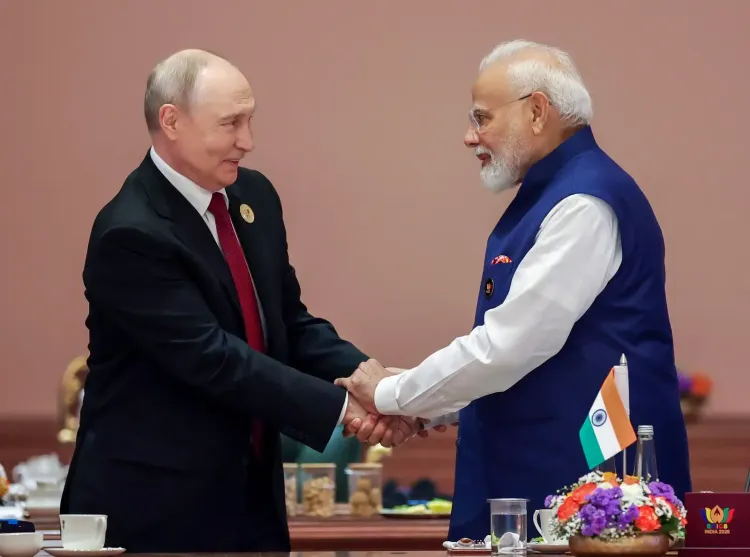
The Modi-Putin handshake at the New Delhi BRICS summit was more than optics — it signalled a structural reset in India-Russia defence ties. With BrahMos exports already reaching Southeast Asia and Moscow offering Su-57 technology transfers, the two countries are moving from a buyer-seller model to co-development, potentially making BrahMos the cornerstone of a broader hypersonic-era defence partnership.
Key Takeaways
India and Russia are shifting their defence relationship from arms sales towards joint production , technology sharing , and export-oriented co-development.
PM Modi and President Putin met at the BRICS summit in New Delhi , with analysts describing it as a political signal for deeper collaboration.
Russia has offered technology transfer for Su-57 stealth fighter jets and discussions on BrahMos modernisation are under way.
BrahMos , which travels at 3x the speed of sound , has already been acquired by Philippines , Indonesia , and Vietnam ; Malaysia is in exploratory talks.
Proposed BrahMos upgrades include a Tejas-compatible variant , a submarine-launched version , and a hypersonic variant at 5x the speed of sound .
India-Russia bilateral trade stands at approximately USD 60 billion , with a target of USD 100 billion by 2030 .
India and Russia are moving to fundamentally reshape their decades-old defence partnership, shifting away from a conventional arms-buyer-seller relationship towards deeper technology sharing, joint production, and export-oriented weapons development, according to analysis cited in a report this week. Emerging indicators of this evolution include active discussions on BrahMos missile modernisation and Russia's offer of technology transfer for its Su-57 stealth fighter jets.
Modi-Putin Meeting Sets the Tone
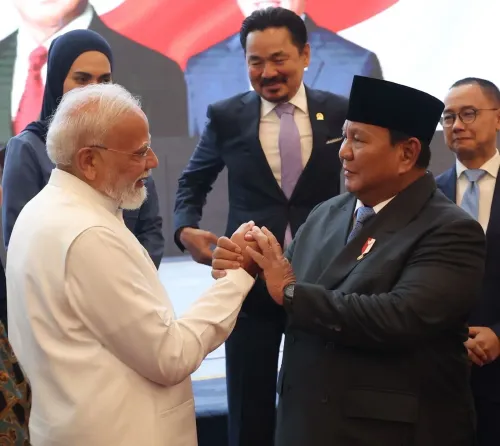
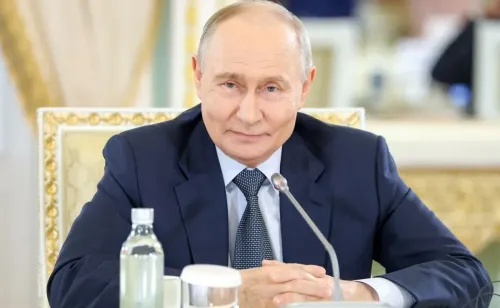
The political signal came at last weekend's BRICS summit in New Delhi, where Russian President Vladimir Putin and Prime Minister Narendra Modi exchanged a handshake and warm embrace. Commerce Minister Piyush Goyal characterised the moment on social media as 'A bond that keeps growing stronger!' The optics were deliberate, analysts noted, underlining a bilateral agenda that now extends well beyond hardware procurement.
Former Indian diplomat Srikumar Menon said the talks on BrahMos modernisation and Russia's Su-57 technology-transfer offer demonstrated 'the growing maturity, depth and strategic sophistication' of the bilateral defence partnership.
Why the Shift Is Happening Now
Russia has traditionally been the dominant supplier of India's military hardware — from tanks to fighter jets — but New Delhi has progressively diversified its sources, turning to France, the United States, and Israel for advanced systems. The Russia-Ukraine war, which began in 2022, accelerated this trend: Western sanctions hampered Moscow's access to advanced components, affecting its ability to fulfil defence supply commitments to India.
'Russia has been hampered by Western sanctions since 2022 in accessing advanced components and technology, which in turn affected defence supplies to India,' Menon said. This structural pressure, analysts argue, has made Russia more willing to offer technology transfers and deeper industrial collaboration — terms it historically guarded closely.
The partnership is also being reframed within India's 'Make in India' programme, launched in 2014, which prioritises local manufacturing, technology localisation, and joint development over outright imports.
BrahMos: From Export Success to Next-Generation Blueprint
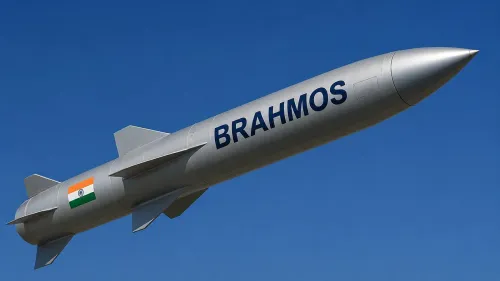
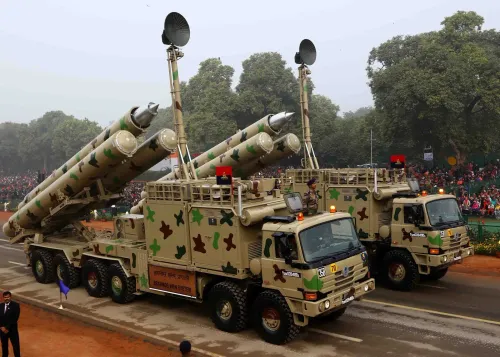
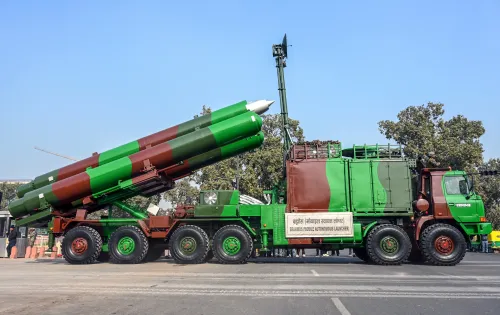
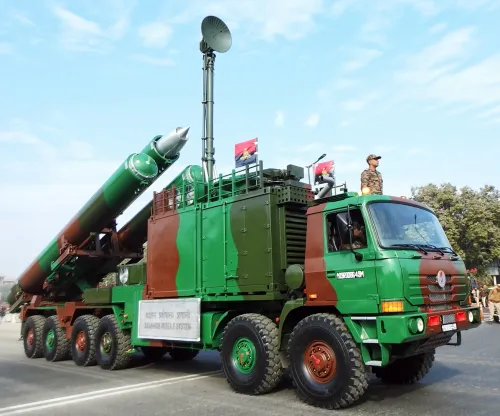
The export trajectory of the BrahMos supersonic cruise missile — which travels at three times the speed of sound and can be deployed from land, sea, air, and underwater platforms — is widely cited as the clearest proof of the partnership's evolution. The Philippines, Indonesia, and Vietnam have already signed agreements to acquire the system. Malaysian Prime Minister Anwar Ibrahim also confirmed last Saturday that Kuala Lumpur was engaged in exploratory discussions.
Srinivaasan Balakrishnan, Director of Strategic Engagements and Partnerships at the Indic Researchers Forum, said that while no new BrahMos agreement was formally announced at the Putin-Modi meeting, it elevated 'the political priority of the next generation BrahMos work that was already under way.'
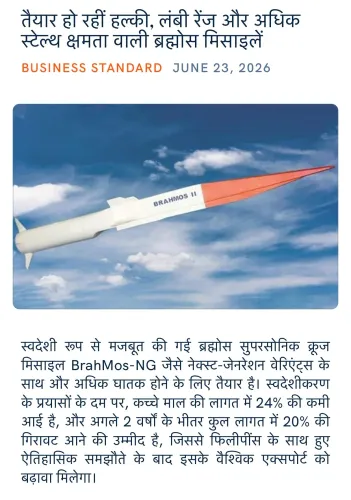
According to Balakrishnan, proposed BrahMos upgrades include a smaller, lighter variant designed for India's Tejas light combat jets, a submarine-launched variant, and a hypersonic version capable of travelling at five times the speed of sound.
The Road Ahead: Joint Development, Not Just Joint Production
'The next step should be to move from jointly producing an existing weapon to jointly developing the next generation of weapons. If Moscow is genuinely prepared to deepen technology sharing, BrahMos could become the foundation for a much more ambitious Indian-Russian defence industrial partnership,' Balakrishnan said.
On the economic side, India and Russia have set a USD 100 billion bilateral trade target for 2030, compared with approximately USD 60 billion currently — providing the financial scaffolding for an expanded industrial relationship. Whether geopolitical pressures and Moscow's sanctions-related constraints allow that ambition to translate into hardware and IP on the ground remains the central question.
Point of View
At least in part, a consequence of its post-2022 sanctions-driven vulnerability, not solely a mark of strategic generosity. India is extracting concessions it could not have secured a decade ago precisely because Moscow needs New Delhi more than the reverse. The real test is whether Russia follows through on IP-level sharing — something it has historically resisted — or whether 'technology transfer' becomes a talking point that stalls in implementation, as it has before. Meanwhile, India's simultaneous deepening of defence ties with the US, France, and Israel means New Delhi is managing a multi-vector arms ecosystem that is increasingly difficult to keep in balance, especially under Western scrutiny.
NationPress
18 Sept 2026
Frequently Asked Questions
What is changing in India-Russia defence ties in 2026?
India and Russia are moving beyond a conventional arms-purchase relationship towards joint production, technology sharing, and co-development of next-generation weapons systems. The shift is being driven by India's 'Make in India' goals and Russia's need to sustain strategic partnerships amid Western sanctions.
What is the BrahMos next-generation upgrade about?
The proposed BrahMos upgrades include a smaller, lighter variant for India's Tejas fighter jets, a submarine-launched variant, and a hypersonic version capable of travelling at five times the speed of sound. Analysts say the Modi-Putin BRICS summit meeting elevated the political priority of this work, though no formal agreement was announced.
Which countries have acquired BrahMos missiles?
The Philippines, Indonesia, and Vietnam have signed agreements to acquire BrahMos. Malaysian Prime Minister Anwar Ibrahim confirmed last Saturday that Malaysia is in exploratory discussions, reflecting growing demand for the system across Southeast Asia.
Why has Russia become more open to technology transfers with India?
Western sanctions imposed since 2022 over the Russia-Ukraine war have restricted Russia's access to advanced components, affecting its defence supply capacity. This has made Moscow more willing to offer technology transfer and co-development terms to sustain its strategic relationship with New Delhi.
What is the India-Russia bilateral trade target?
India and Russia have set a bilateral trade target of USD 100 billion by 2030, up from approximately USD 60 billion currently. This provides the economic foundation for an expanded industrial and defence cooperation framework.