Uttarakhand CMO: 'Government at Every Door, Growth Every Way'
Synopsis
The Chief Minister's Office of Uttarakhand posted a Hindi governance message on 6 July 2026 pledging citizen-first administration and development across all regions of the hill state, reinforcing the founding promise of accessible governance for remote communities.
Key Takeaways
The Uttarakhand CMO posted a Hindi governance message on 6 July 2026 on X.
The slogan translates as: 'A government for every citizen, at every citizen's door: development in every direction, trust on every path.' Uttarakhand was formed in 2000 specifically to bring government closer to remote Himalayan communities.
The message reflects a wider pattern of social-media governance communication emphasising last-mile delivery across Indian states.
Key stakeholders include the state's estimated 1.1 crore residents, especially those in remote hill districts.
Follow-through on scheme rollouts in remote blocks will be the practical measure of this commitment.
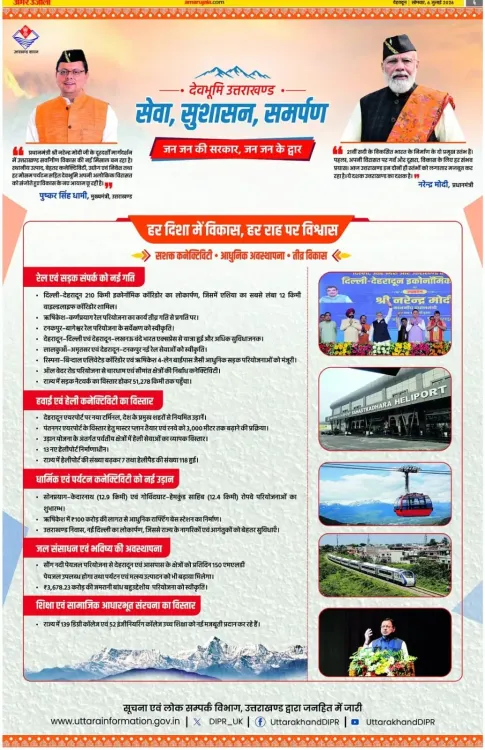
The Chief Minister's Office of Uttarakhand on Monday, 6 July 2026 shared a governance message on X reaffirming the state's commitment to inclusive development and citizen-first administration across all regions of the hill state.
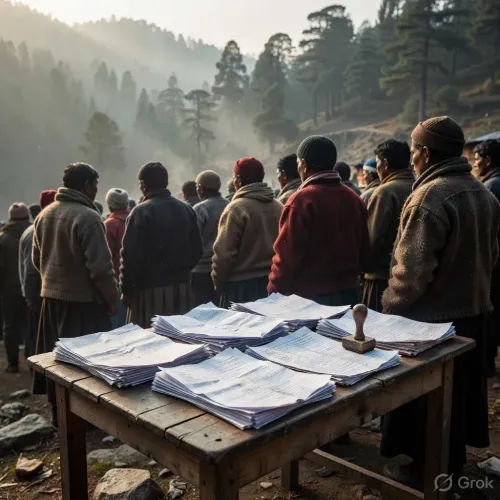
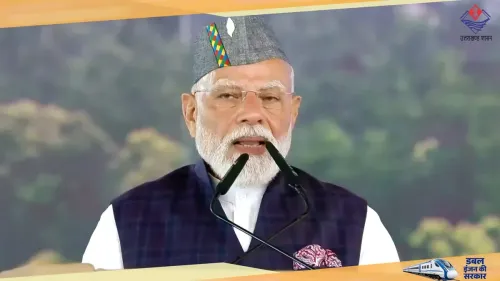
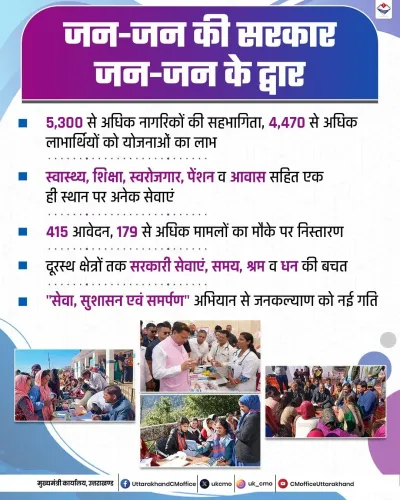
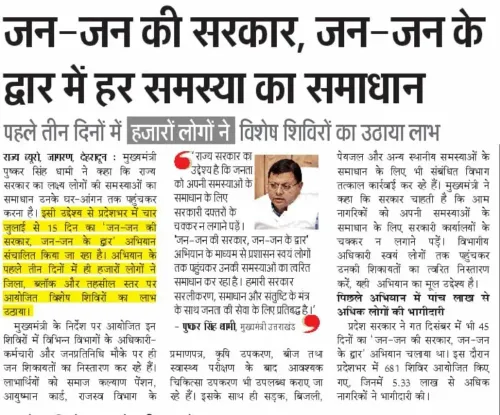
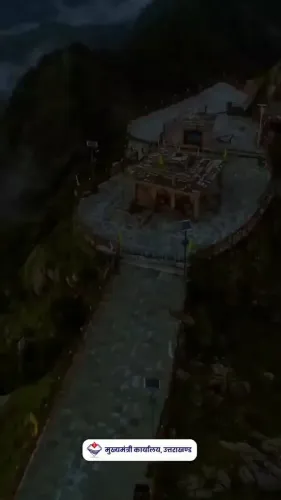
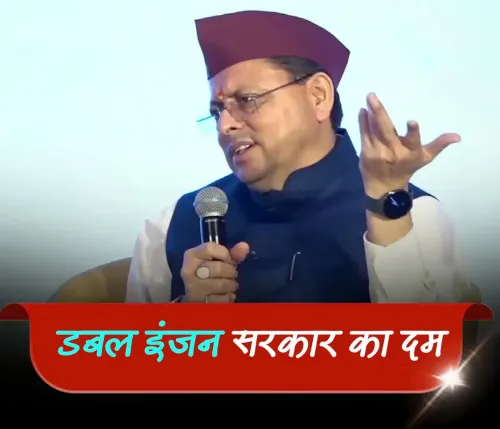
The post, in Hindi, reads: 'Jan jan ki sarkar, jan jan ke dwar: har disha mein vikas, har raah par vishwas' — translated as 'A government for every citizen, at every citizen's door: development in every direction, trust on every path.' The message was accompanied by an image and tagged #Uttarakhand.
Context
Uttarakhand, carved out of Uttar Pradesh on 9 November 2000, was formed specifically to address governance deficits in remote Himalayan districts that felt administratively neglected. The state spans challenging terrain, with a significant share of its population living in hill blocks that are difficult to reach through conventional service-delivery channels.
The CMO's message echoes a long-standing demand of the statehood movement: that government must come to the people, not the other way around. The phrase 'jan jan ke dwar' — 'at every citizen's door' — directly invokes that founding promise of accessible administration.
Policy Backdrop
Indian state governments, particularly since the mid-2010s, have adopted social-media-driven governance communication as a standard tool for reinforcing policy narratives around doorstep delivery and welfare outreach. Uttarakhand has been no exception, with successive administrations emphasising schemes targeting rural and remote communities.
The broader national emphasis on direct citizen benefit transfer, last-mile connectivity, and trust-building in welfare delivery forms the backdrop against which this message is positioned. The dual themes of 'vikas' (development) and 'vishwas' (trust) have become recurring pillars of governance communication across multiple states in this period.
Stakeholders and Impact
The primary stakeholders are Uttarakhand's estimated 1.1 crore residents, a large proportion of whom live in rural and semi-urban hill areas where access to government services has historically been uneven. Remote blocks in districts such as Pithoragarh, Chamoli, and Rudraprayag have been focal points for last-mile delivery efforts.
Rural communities stand to benefit most if the stated commitment to development 'in every direction' translates into measurable improvements in infrastructure, healthcare, and education outreach. Civil-society groups and local panchayats are key intermediaries in converting such messaging into on-ground accountability.
What's Next
Observers will watch whether this communication is followed by specific scheme announcements, mid-term reviews of district-level development indices, or outreach events in underserved blocks. The rollout of ongoing state programmes in remote areas will be the practical test of the CMO's stated vision.
For Uttarakhand, sustaining public trust in governance requires consistent follow-through in areas where geography itself is the biggest barrier — making the promise of 'government at every door' both a political commitment and an administrative challenge.
Point of View
The messaging attempts to pre-empt criticism about uneven development in remote hill districts. The dual-pillar framing of development and trust is increasingly a standard communications device, but its resonance in Uttarakhand is sharper given the state's founding rationale. The real political dividend will depend on whether district-level delivery metrics back the rhetoric.
NationPress
5 Oct 2026
Frequently Asked Questions
What did the Uttarakhand CMO post on 6 July 2026?
The Chief Minister's Office of Uttarakhand posted a Hindi slogan on X reading 'Jan jan ki sarkar, jan jan ke dwar: har disha mein vikas, har raah par vishwas,' meaning 'A government for every citizen, at every citizen's door: development in every direction, trust on every path.'
What does 'jan jan ki sarkar' mean?
'Jan jan ki sarkar' is a Hindi phrase meaning 'a government for every citizen' or 'the people's government,' emphasising inclusive and accessible administration for all sections of society.
Why was Uttarakhand formed as a separate state?
Uttarakhand was carved out of Uttar Pradesh on 9 November 2000 to address long-standing demands for better governance and faster development in remote Himalayan hill districts that felt neglected under the larger state's administration.
Who are the main beneficiaries of Uttarakhand's doorstep governance push?
The primary beneficiaries are the state's estimated 1.1 crore residents, particularly those in remote hill districts such as Pithoragarh, Chamoli, and Rudraprayag, where access to government services has historically been difficult.
What should we watch for after this Uttarakhand CMO announcement?
Observers should watch for specific scheme announcements, mid-term reviews of district-level development indices, and outreach events in underserved blocks that would translate the CMO's governance messaging into measurable on-ground action.