Bhupender Yadav Chairs High-Level Meet on Aravalli Conservation
Synopsis
Union Environment Minister Bhupender Yadav chaired a high-level meeting on Aravalli conservation in Haryana with Manohar Lal Khattar and Rao Narbir Singh on 20 August 2026, addressing decades of encroachment, mining, and urbanisation pressure on India's oldest mountain range.
Key Takeaways
Union Environment Minister Bhupender Yadav chaired a high-level meeting on 20 August 2026 focused on Aravalli conservation and development in Haryana .
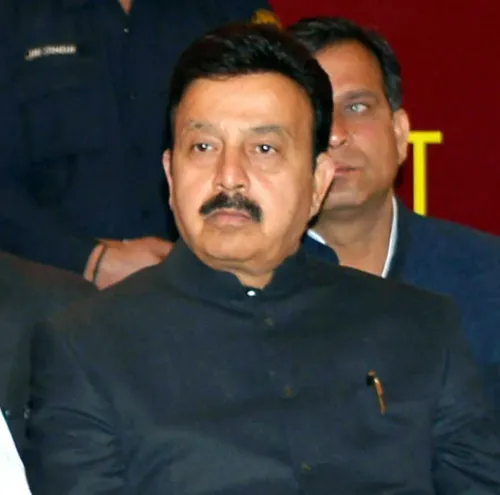
Former Haryana Chief Minister Manohar Lal Khattar and BJP leader Rao Narbir Singh participated alongside senior officials.
The Aravalli range spans Haryana, Rajasthan, and Delhi and has been under regulatory protection since the MoEFCC notification of 1992 .
The Supreme Court imposed a mining ban on parts of the Aravalli in 2002 ; Haryana updated eco-sensitive zone notifications between 2019 and 2021 .
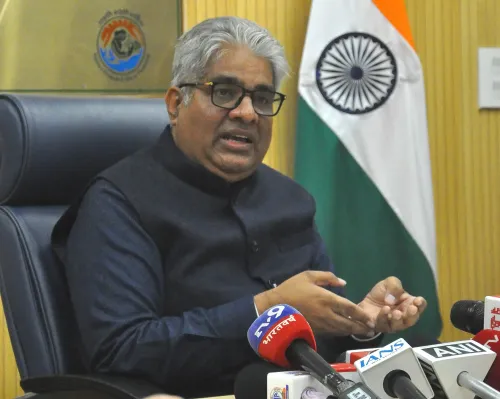
Yadav briefed the media directly after the meeting, signalling the Centre's intent to keep outcomes publicly accountable.
Possible follow-ups include a fresh conservation action plan or notification from the Haryana Forest Department .
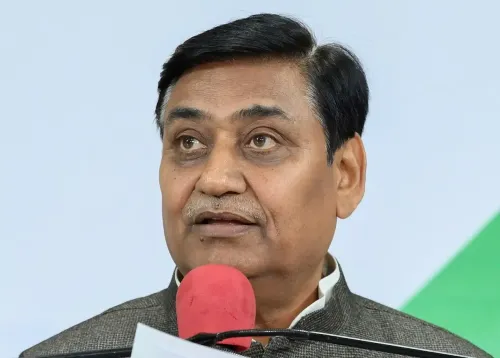
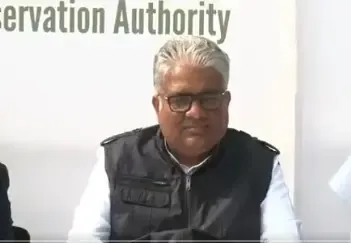
India's oldest mountain range is under the spotlight again. Union Environment Minister Bhupender Yadav on Thursday, 20 August 2026, chaired a high-level meeting on the conservation and development of the Aravalli range in Haryana, joined by senior BJP leader and former Chief Minister Manohar Lal Khattar, Haryana BJP leader Rao Narbir Singh, and senior officials — then stepped out to brief the media directly.
Why the Aravalli Keeps Pulling Delhi and Haryana Into the Same Room
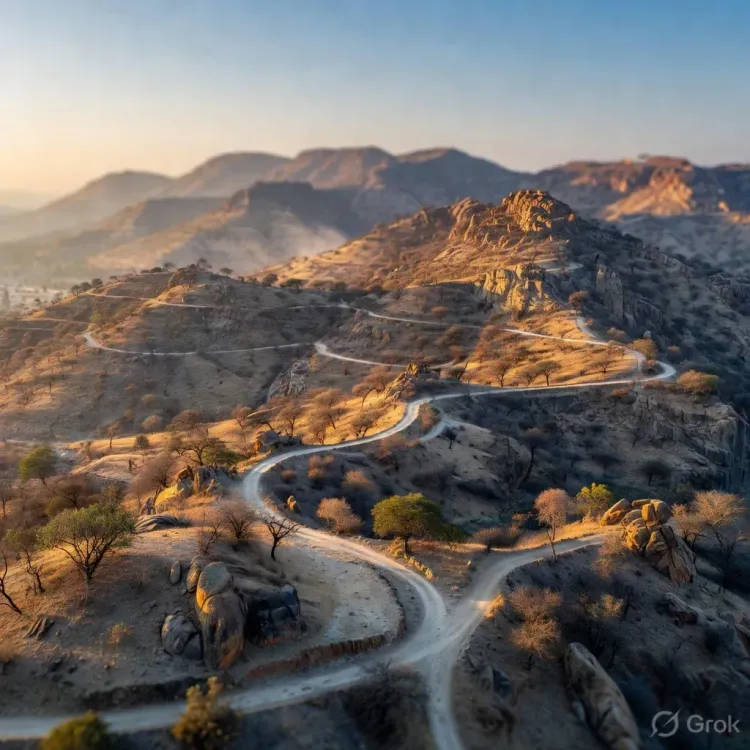
The Aravalli is not simply a ridge of ancient rock. Stretching across Haryana, Rajasthan, and Delhi, it is one of the most contested ecological corridors in the National Capital Region — a green lung squeezed between explosive urban growth and decades of illegal mining and encroachment. The Ministry of Environment, Forest and Climate Change (MoEFCC) first drew a hard regulatory line with the Aravalli Notification of 1992, restricting non-forest activity across the hills. The Supreme Court reinforced that with a mining ban in 2002, followed by successive orders on forest land diversion that remain active.
Haryana responded with its own eco-sensitive zone notifications and forest land updates between 2019 and 2021. Yet the pressure of NCR urbanisation has never really let up — making periodic central-state coordination reviews not just procedural, but necessary.
Khattar, Rao Narbir, and the Weight of Continuity
The presence of Manohar Lal Khattar — who served as Haryana's Chief Minister from 2014 to 2024 and was closely involved in the state's environmental and development decisions during that period — alongside Rao Narbir Singh, who has been associated with Aravalli-related matters in the state, signals that this is not a routine file-clearing exercise. These are figures with institutional memory of what has been promised and what has stalled. Yadav's decision to take the conversation to the media immediately after the meeting underlines that the Centre wants the outcome visible, not buried in a departmental note.
What Central-State Reviews on the Aravalli Have Historically Delivered
The pattern of high-level Aravalli reviews has, in the past, fed into compensatory afforestation obligations under the Forest Conservation Act, fresh demarcation drives, and updates to Haryana's forest department action plans. They have also fed into the National Action Plan on Climate Change, where the Aravalli corridor figures as a biodiversity and carbon-sink priority. Whether this meeting produces a fresh notification, a state-level conservation action plan, or a commitment ahead of Parliament or assembly budget discussions remains to be watched.
The Aravalli has survived longer than any institution that has tried to protect — or exploit — it. Whether this meeting marks a turning point or another entry in a long ledger of reviews, the range itself keeps score.
Point of View
Signalling that the BJP-led Centre wants to own the conservation narrative in an ecologically sensitive corridor that straddles multiple states. The involvement of Khattar — a figure with deep institutional continuity in Haryana — suggests the Centre is leaning on political heavyweights to unlock state-level implementation bottlenecks. Whether this translates into enforceable action or remains a high-profile review will depend on what the Haryana Forest Department notifies in the weeks ahead.
NationPress
20 Aug 2026
Frequently Asked Questions
What was the Aravalli conservation meeting on 20 August 2026 about?
Union Environment Minister Bhupender Yadav chaired a high-level meeting in Haryana on the conservation and development of the Aravalli range, attended by Manohar Lal Khattar, Rao Narbir Singh, and senior officials, followed by a media briefing.
Why is the Aravalli range ecologically important?
The Aravalli is India's oldest fold mountain system, spanning Haryana, Rajasthan, and Delhi. It serves as a critical green corridor and biodiversity zone in the National Capital Region, protected under MoEFCC notifications since 1992 and Supreme Court orders since 2002.
What laws protect the Aravalli from mining and encroachment?
The MoEFCC issued the Aravalli Notification in 1992 restricting non-forest activities. The Supreme Court imposed a mining ban in 2002. Haryana has also notified eco-sensitive zones and forest land updates between 2019 and 2021 under the Forest Conservation Act.
Who is Rao Narbir Singh and what is his role in Aravalli conservation?
Rao Narbir Singh is a Haryana BJP leader and former minister who has been associated with Aravalli-related policy matters in the state, and was present at the 20 August 2026 high-level review meeting.
What could come out of the Aravalli high-level meeting?
Possible outcomes include a fresh conservation action plan or notification from the Haryana Forest Department, new demarcation drives, or commitments tied to compensatory afforestation obligations under the Forest Conservation Act.