Is Haryana Committed to Conserving the Aravali Mountain Range?
Synopsis
The Haryana government is actively pursuing the conservation of the Aravali mountain range, launching significant initiatives aimed at environmental restoration. With a commitment towards sustainable living and community involvement, the Haryana Aravali Green Wall Project sets ambitious goals for biodiversity and ecological balance by 2030.
Key Takeaways
The Haryana government is committed to the conservation of the Aravali mountain range.
Initiatives like the Haryana Aravali Green Wall Project target major environmental challenges.
Community involvement is essential for the success of conservation efforts.
The Aravali range plays a vital role in Haryana’s ecology and biodiversity.
Future plans include conserving 90% of the Aravali area by 2030.
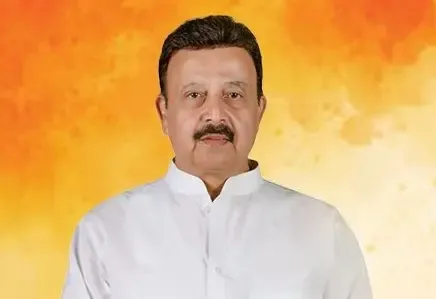
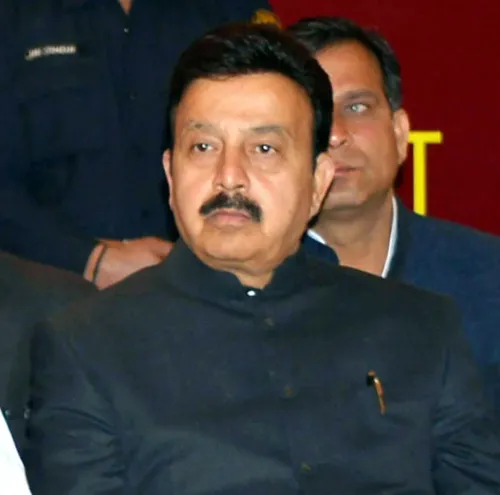
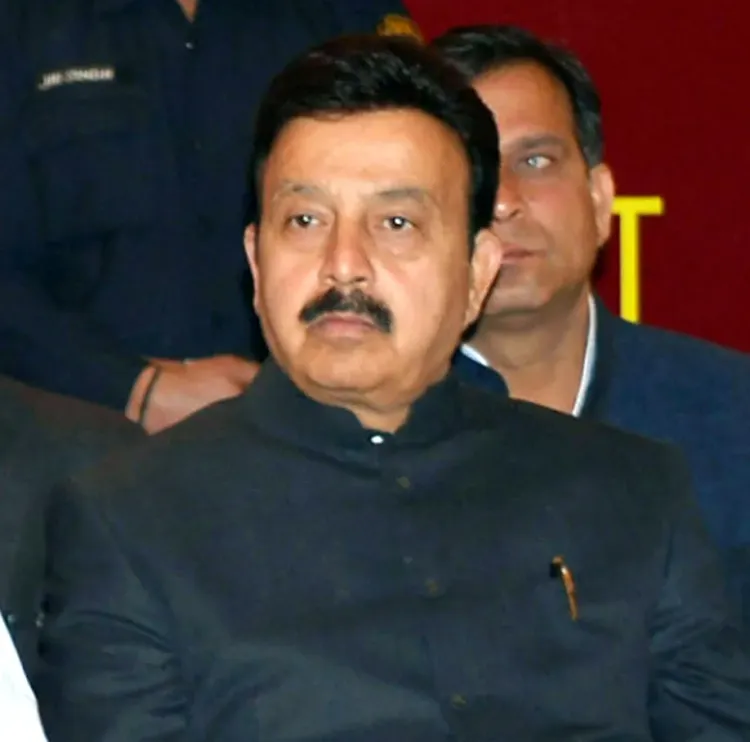
Chandigarh, Jan 1 (NationPress) The Haryana Minister for Environment, Forest, and Wildlife, Rao Narbir Singh, stated on Thursday that the government is dedicated to preserving the Aravali mountain range.
To achieve this goal, the government is executing the Haryana Aravali Green Wall Project, which aims to tackle significant environmental issues, including desertification, land degradation, and drought. A comprehensive action plan has been formulated to implement this initiative by 2030.
Expressing appreciation to the Central government, he remarked that hosting this significant event at the IUCN Pavilion is a source of pride for Haryana.
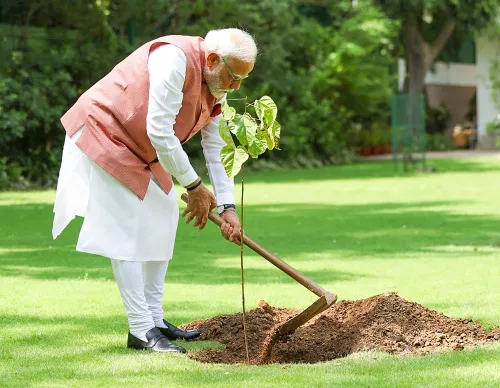
He noted that under the guidance of Prime Minister Narendra Modi, transformative initiatives such as Mission LiFE (Lifestyle for Environment) and ‘Ek Ped Maa Ke Naam’ have been introduced, turning environmental conservation into a widespread movement.
These initiatives are motivating individuals globally, nationally, and locally to embrace sustainable lifestyles.
Inspired by the Prime Minister’s vision and under the leadership of Chief Minister Nayab Singh Saini, the government has initiated innovative programs like Oxy Van, Pran Vayu Devta Yojana, and Van Mitra Yojana to encourage community engagement. These projects will serve as a robust foundation for Aravali conservation.
The Forest Minister mentioned that a proposal has been developed to offer an annual stipend to farmers for protecting native tree species such as 'Jati' and 'Roheda' in southern Haryana areas including Mahendragarh, Rewari, Narnaul, Charkhi Dadri, Badhra, and Loharu, modeled on the Pran Vayu Devta Yojana. This effort aims to sustain greenery in the Aravali region while actively involving local communities in conservation efforts.
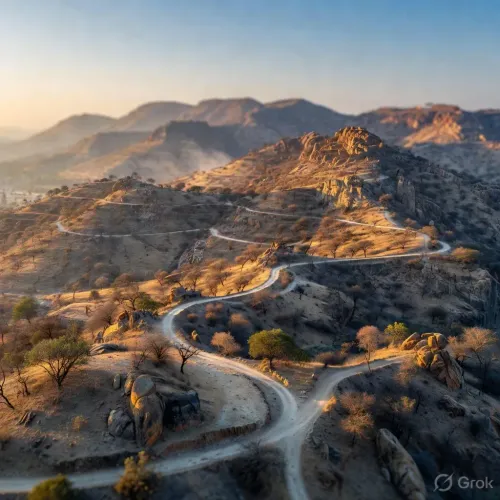
Rao Narbir Singh emphasized the immense ecological importance of the Aravali mountain range for Haryana, serving as a natural barrier against desertification and being a crucial source of biodiversity, water security, and climate balance.
The Aravali range plays a vital role in groundwater recharge, improving air quality, mitigating climate change effects, and supporting livelihoods in arid and semi-arid regions.
He added that the Aravali range is recognized globally as a landscape of cultural and historical importance, symbolizing the deep bond between humans and nature.
The Forest Minister stated that through the Aravali Green Wall Project, Haryana is committed to collaborating with all Aravali states, including Rajasthan, Gujarat, and Delhi.
Initiatives like the Gurugram Aravali Biodiversity Park are exemplary models for ecosystem restoration and have been recognized as India’s first OECM (Other Effective Area-Based Conservation Measure), in line with IUCN’s global guidelines.
Rao Narbir Singh also expressed Haryana's acceptance of the new definition of the Aravali mountain range established by the Supreme Court. He mentioned that a proposal has been crafted to conserve nearly 90 percent of the Aravali area.
The government aims to generate green employment, boost public involvement, and enhance biodiversity conservation and environmentally friendly resource management in the Aravali region.
Point of View
I recognize the significance of the Haryana government’s commitment to environmental conservation. This initiative not only addresses pressing ecological issues but also emphasizes community involvement, setting a precedent for sustainable practices. With the ongoing support from the Central government, these efforts could inspire similar projects across the nation.
NationPress
19 Sept 2026
Frequently Asked Questions
What is the Haryana Aravali Green Wall Project?
The Haryana Aravali Green Wall Project is a government initiative aimed at combating desertification, land degradation, and drought while promoting biodiversity conservation.
Who is leading the environmental initiatives in Haryana?
Haryana's Environment, Forest and Wildlife Minister, Rao Narbir Singh, is leading the state’s environmental initiatives, supported by Chief Minister Nayab Singh Saini.
Why is the Aravali mountain range important?
The Aravali mountain range is crucial for Haryana's ecology, acting as a natural barrier against desertification and providing biodiversity, water security, and climate balance.
What role do local communities play in conservation efforts?
Local communities are actively involved in conservation efforts through programs like the Pran Vayu Devta Yojana, which encourages native tree species preservation.
What are the future goals for the Aravali region?
The government aims to conserve nearly 90% of the Aravali area, create green employment, and enhance public participation in biodiversity conservation.