Does the VB-G RAM G Act Signal the End of 'Dig and Fill' Politics?
Synopsis
Uttar Pradesh's CM Yogi Adityanath criticizes Congress and the INDIA bloc for resisting the VB-G RAM G Act, claiming their opposition is rooted in a fear of exposure. This legislation aims to empower rural India and eliminate corruption, marking a significant shift in governance.
Key Takeaways
The VB-G RAM G Act aims to transform rural India.
CM Yogi criticizes opposition for clinging to corruption.
New law includes stringent measures against corruption.
Empowerment of villages is key to national development.
Social audits and digital grievance systems are mandatory under the Act.
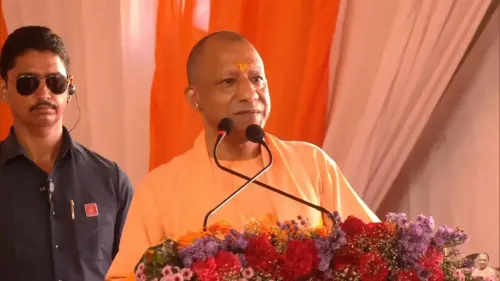
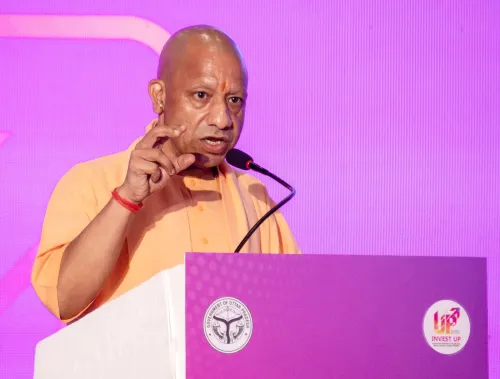
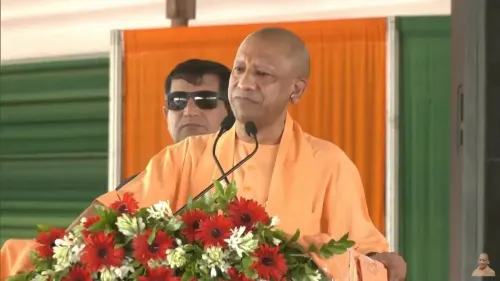
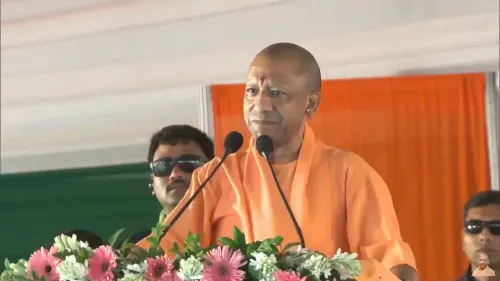
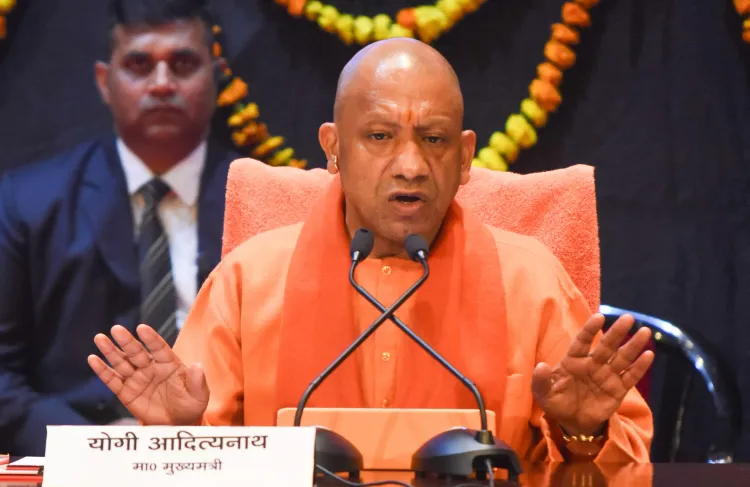
Lucknow, Jan 6 (NationPress) Uttar Pradesh's Chief Minister Yogi Adityanath launched a scathing critique against the Congress and the INDIA coalition on Tuesday, claiming their opposition to the VB - G RAM G Act stems from a fear of exposure.
During a press conference discussing the new legislation, he asserted that the resistance from the Opposition underscores its ongoing allegiance to a legacy of corruption.
“This is not a stance against development; it is propelled by the dread of being revealed for what they truly are,” the Chief Minister remarked.
CM Yogi emphasized the necessity of this press conference, highlighting that political entities that have exploited the nation’s resources for decades, leaving the impoverished hungry and the youth forced to leave, are now questioning reforms aimed at constructing a Viksit Bharat.
He suggested that supporting the Act would unveil the genuine nature of the Opposition, which is precisely why they are resisting it.
Yogi accused the Congress and the INDIA coalition of casting doubts on the legislation, despite it being a crucial initiative benefitting rural India, farmers, and laborers.
“Instead of showing gratitude to the NDA government, the Opposition clings to its outdated practices of fostering corruption,” he expressed.
Discussing the vision for a Viksit Bharat, Yogi Adityanath stated that India can only achieve development when states thrive, and states can only prosper when villages are empowered.
“The primary goal of this law is to bolster the rural economy and guarantee social security and dignity for laborers,” he noted.
In his remarks targeting the Congress and its allies, the Chief Minister highlighted rampant corruption complaints during their governance, concerning unfinished projects, fake attendance, and wage reductions across various districts and village panchayats.
He pointed to ineffective grievance redressal systems, poor social audits, administrative shortcomings, and persistent wage payment delays as hallmarks of the previous regime.
“Naturally, those whose interests are threatened by the conclusion of ‘dig and fill’ initiatives are now in an uproar,” Yogi commented, adding, “These are the same individuals who excavated holes only to refill them.”
He also criticized the Samajwadi Party, alleging significant corruption under the Mahatma Gandhi National Rural Employment Guarantee Act (MGNREGA) during its governance in Sonbhadra, with a CBI investigation currently ongoing.
Highlighting the safeguards embedded in the new law, CM Yogi explained that the VB - G RAM G Act mandates social audits biannually, introduces a digital and timely grievance resolution framework, and ensures audits meet Comptroller and Auditor General (CAG) standards, effectively leaving no room for corruption.
“The VB - G RAM G Act will revolutionize rural India,” Yogi asserted, emphasizing, “It promises transparency, accountability, and the rights of laborers and farmers. Those who oppose it are not just resisting the government—they are opposing progress and supporting corruption.”
Point of View
The opposition's resistance indicates deeper political rivalries and concerns about accountability. As these developments unfold, they will undoubtedly shape the discourse around governance and development in the region.
NationPress
19 Sept 2026
Frequently Asked Questions
What is the VB-G RAM G Act?
The VB-G RAM G Act is a legislative initiative aimed at empowering rural India, ensuring transparency, accountability, and social security for laborers and farmers.
Why is the opposition against the VB-G RAM G Act?
Opposition parties, including the Congress and INDIA bloc, have raised concerns about the Act, with CM Yogi suggesting their resistance stems from a fear of being exposed for past corruption.
What measures does the VB-G RAM G Act introduce?
The Act mandates social audits every six months, a digital grievance redressal system, and compliance with Comptroller and Auditor General (CAG) standards.
How does CM Yogi Adityanath view the opposition's stance?
CM Yogi perceives the opposition's stance as a defense of outdated practices of corruption and an attempt to undermine development efforts.
What is the significance of the VB-G RAM G Act for rural India?
The Act is intended to strengthen the rural economy, promote social security, and enhance the dignity of laborers, ultimately aiming for a developed India.