CM Dhami's Jan Jan Ki Sarkar camps resolve public grievances statewide
Synopsis
Chief Minister Pushkar Singh Dhami's 'Jan Jan Ki Sarkar — Jan Jan Ke Dwar' programme is running statewide camps across Uttarakhand to resolve public grievances on the spot. The initiative deploys district officials directly into communities, continuing a BJP governance tradition of citizen-interface outreach in the hill state.
Key Takeaways
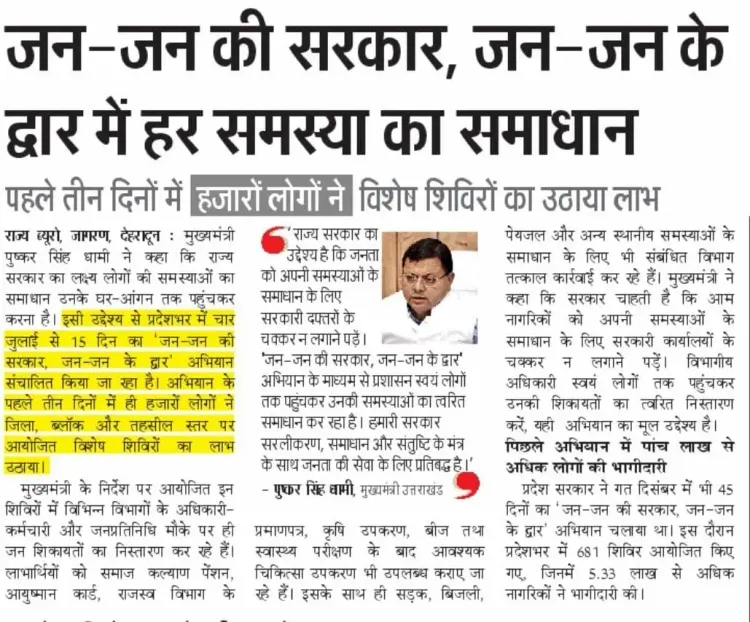
The Chief Minister's Office of Uttarakhand confirmed on 7 July 2026 that the 'Jan Jan Ki Sarkar — Jan Jan Ke Dwar' programme is actively resolving public grievances statewide.
CM Pushkar Singh Dhami has directed the programme, which deploys district and block-level officials directly into communities for on-the-spot resolution.
The programme's name translates to 'Government of the People, at the Doorstep of the People,' reflecting a focus on last-mile governance.
The initiative builds on the earlier 'Prashasan Gaon Ki Ore' outreach model run in Uttarakhand in 2018–19 .
All 13 districts of Uttarakhand are engaged, with rural households and remote communities as the primary beneficiaries.
Future steps may include integration of camp data with Uttarakhand's e-governance portal for real-time grievance tracking.
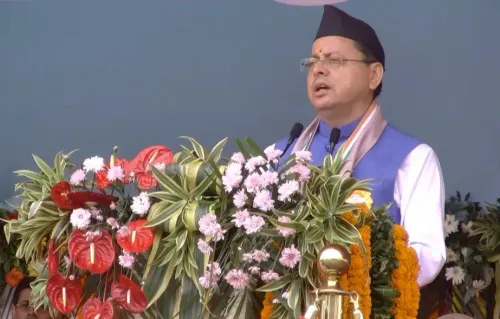
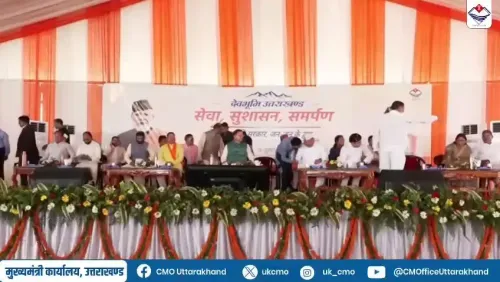
The Chief Minister's Office of Uttarakhand announced on Tuesday, 7 July 2026 that the statewide outreach programme 'Jan Jan Ki Sarkar — Jan Jan Ke Dwar', being run under the directions of Chief Minister Pushkar Singh Dhami, is actively resolving public grievances across the state through on-ground camps.
Context
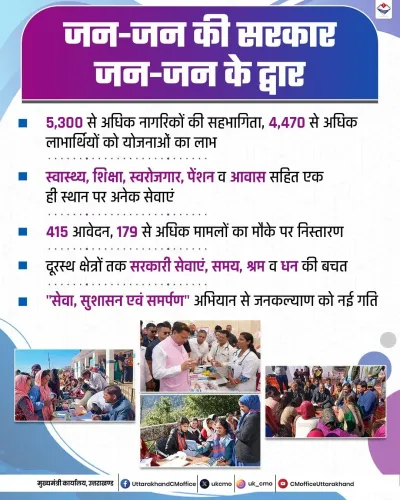
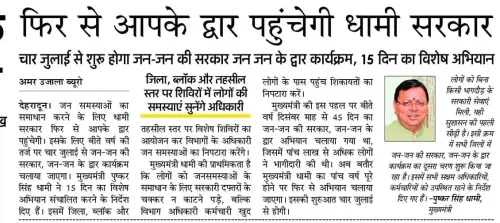
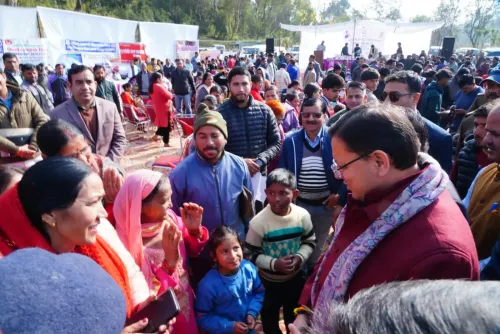
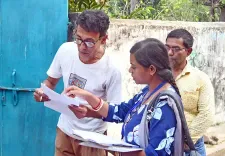
The CMO's post states: 'Jan Jan Ki Sarkar — Jan Jan Ke Dwar' ('People's Government — At Every Door') is resolving every problem being raised under the programme running statewide as directed by Chief Minister Pushkar Singh Dhami. The programme deploys district and block-level officials directly into communities to hear complaints and deliver resolutions on the spot, bypassing the delays typically associated with formal bureaucratic channels.
Pushkar Singh Dhami, who has served as Chief Minister of Uttarakhand since March 2021, has positioned administrative outreach as a signature governance priority of his tenure. The programme's name — translating roughly to 'Government of the People, at the Doorstep of the People' — reflects a deliberate emphasis on proximity between the state apparatus and ordinary citizens.
Policy Backdrop
The current initiative draws from a lineage of similar citizen-interface efforts in the state. A comparable camp-based outreach model, the 'Prashasan Gaon Ki Ore' ('Administration Towards the Village') initiative, was run by the previous BJP government in Uttarakhand in 2018–19. The present programme expands that template by covering the entire state simultaneously rather than in phased district rotations.
Across India, state governments have increasingly adopted physical grievance camps that combine complaint hearings with on-site service delivery. These efforts mirror central platforms such as CPGRAMS and various state helplines designed to improve last-mile governance, particularly for rural households that face barriers in accessing district headquarters or online portals.
Stakeholders and Impact
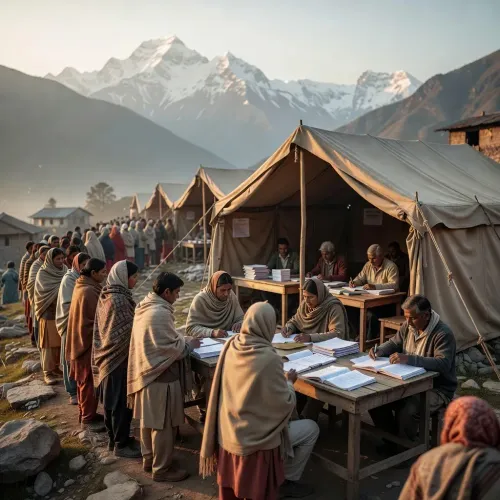
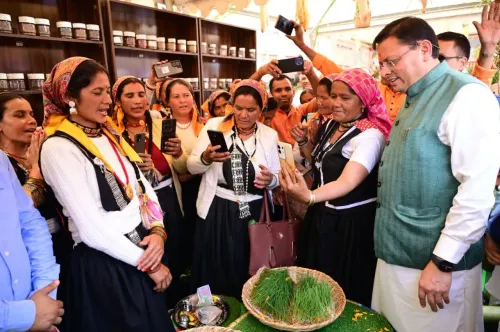
The primary beneficiaries are rural households and citizens in remote areas of Uttarakhand — a hill state where geographic terrain makes routine access to government offices difficult. By bringing officials to the village level, the programme aims to address issues ranging from land records and pension entitlements to public infrastructure complaints without requiring citizens to travel long distances.
District administrations across all 13 districts of Uttarakhand are engaged as implementing units. Officials at the tehsil and block level are responsible for conducting camps, recording grievances, and ensuring time-bound resolution — a model that also functions as a field-level accountability mechanism for the state government.
What's Next
The Chief Minister's Office is expected to hold periodic review meetings to assess outcomes from the camps, including the volume and nature of grievances resolved. There is also a broader policy conversation underway about integrating the data gathered through these physical camps with Uttarakhand's e-governance portal, which would allow for real-time tracking of complaint status by citizens. The programme's continuation and possible expansion will likely be a key administrative benchmark as the state government moves through the second half of 2026.
Point of View
The BJP government in Uttarakhand is reinforcing a model it has used since 2018–19, signalling continuity rather than experimentation. The programme also functions as a pre-emptive accountability tool — publicly logging grievances at the field level reduces the risk of unaddressed complaints becoming political liabilities. In the broader Indian context, this mirrors a pattern where state governments use physical outreach to complement, and sometimes substitute for, digital grievance platforms that still face adoption barriers in rural areas.
NationPress
5 Oct 2026
Frequently Asked Questions
What is the 'Jan Jan Ki Sarkar — Jan Jan Ke Dwar' programme in Uttarakhand?
'Jan Jan Ki Sarkar — Jan Jan Ke Dwar' is a statewide mobile governance and grievance redressal programme in Uttarakhand, run under the directions of Chief Minister Pushkar Singh Dhami. Officials conduct on-ground camps across districts to hear public complaints and resolve them on the spot, reducing the need for citizens to travel to government offices.
Who launched the Jan Jan Ki Sarkar programme in Uttarakhand?
The programme is being run under the directions of Chief Minister Pushkar Singh Dhami, who has served as Uttarakhand's Chief Minister since March 2021. The Chief Minister's Office confirmed the programme's statewide rollout on 7 July 2026.
What problems does the Jan Jan Ke Dwar programme solve?
The programme addresses a wide range of public grievances including issues related to land records, pension entitlements, public infrastructure, and other administrative matters. It is particularly aimed at helping rural households in Uttarakhand's remote hill areas who face difficulty accessing district offices.
Is this a new scheme or has Uttarakhand done this before?
A similar camp-based outreach model called 'Prashasan Gaon Ki Ore' was run in Uttarakhand during 2018–19 under the previous BJP government. The current 'Jan Jan Ki Sarkar — Jan Jan Ke Dwar' programme expands on that template with a simultaneous statewide rollout.
What is the next step for the Jan Jan Ki Sarkar programme?
The Chief Minister's Office is expected to hold periodic review meetings to assess grievance resolution outcomes. There is also discussion about integrating data from these camps with Uttarakhand's e-governance portal to enable real-time tracking of complaint status by citizens.