What is the New Definition of Good Governance in Uttarakhand?
Synopsis
Discover how Uttarakhand's innovative outreach initiative, 'Jan-Jan Ki Sarkar, Jan-Jan Ke Dwar,' led by CM Dhami, is revolutionizing governance. This program promises to bring government services directly to citizens, fostering trust and efficiency. Learn about the impact on public engagement and administration.
Key Takeaways
Direct citizen engagement enhances trust and accountability.
Efficient grievance resolution is possible through on-the-spot action.
Welfare schemes are effectively reaching eligible beneficiaries .
Governance can be transformed by field engagement rather than office-centric approaches.
Public outreach initiatives promote transparency and efficiency.
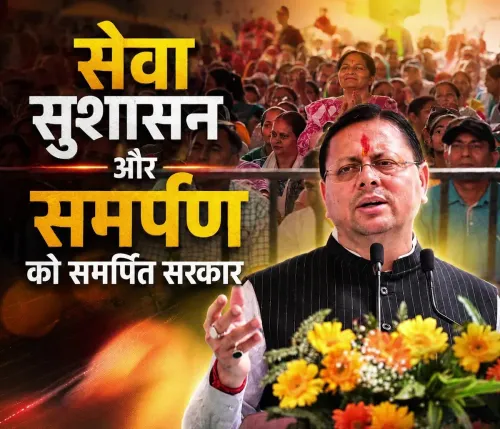
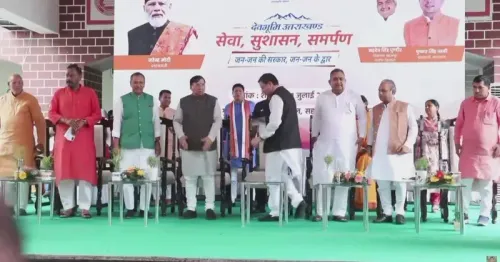
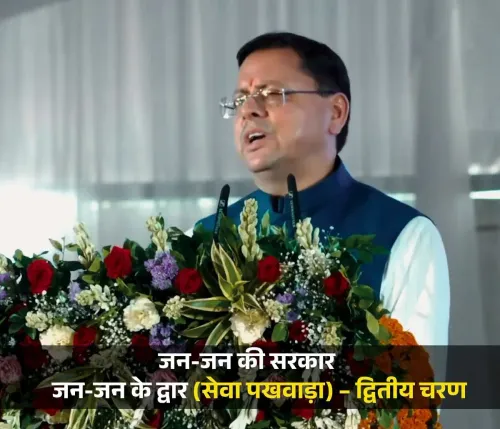
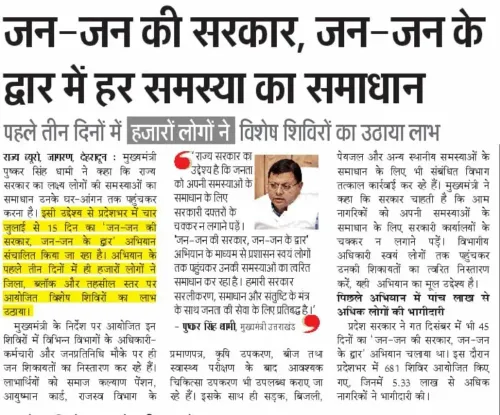
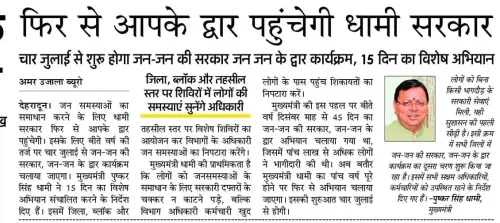
Dehradun, Jan 2 (NationPress) Led by Chief Minister Pushkar Singh Dhami, the Uttarakhand government's prominent public outreach program “Jan-Jan Ki Sarkar, Jan-Jan Ke Dwar” (Government for every citizen, at every doorstep) stands as a remarkable representation of effective governance, responsive administration, and prompt grievance resolution.
Officials assert that the initiative has induced a significant transformation in administrative performance. It has effectively narrowed the long-standing divide between the government and ordinary citizens.
The daily progress report from January 2 showcases that the state government has transcended mere paperwork and policy declarations to achieve concrete, on-ground outcomes.
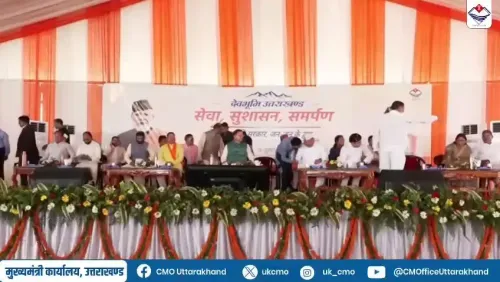
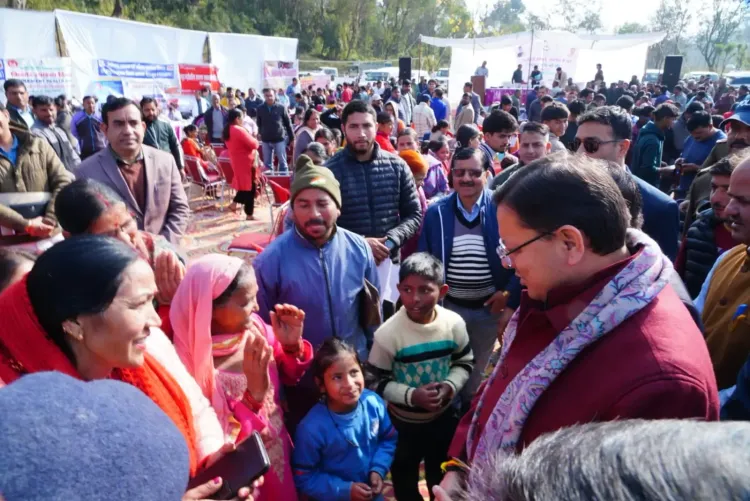
On a single day, the initiative was rolled out across all 13 districts, establishing 204 public service camps. Over 135,194 citizens directly engaged in these camps, emphasizing the program's strong alignment with actual public needs and the high level of trust it has garnered.
For the first time, governance has directly reached the doorsteps of citizens, particularly aiding residents of rural, mountainous, and remote areas who previously faced repeated journeys to district or tehsil offices for issue resolution.
During these camps, 17,747 complaints and applications were submitted. Of these, 12,776 cases were resolved immediately, showcasing that nearly 75% of grievances were addressed quickly, as confirmed by officials. This achievement underscores the administration's efficiency, decisiveness, and accountability.
Remaining cases have been forwarded to relevant departments under a strict action plan and are being monitored continuously to ensure all grievances are resolved.
Notably, 19,734 applications for essential certificates such as income, caste, residence, and social category documents were received, indicating a significant enhancement in service delivery that prevents citizens from facing unnecessary delays or procedural obstacles.
The marginalized communities have greatly benefited from this program, including residents of remote areas.
Under various government welfare schemes, 77,203 citizens received direct benefits during this initiative. This substantial number clearly illustrates that government schemes are not just announcements but are effectively reaching eligible beneficiaries.
Benefits across diverse sectors like social security, pensions, healthcare, education, and other welfare schemes were made available on a single platform, enhancing convenience, transparency, and efficiency.
The success of this large-scale initiative stems from clear, result-oriented directives issued by the Chief Minister, as stated by officials. From the beginning, the Chief Minister stressed that officials must engage with citizens in the field instead of calling them to offices.
He required the presence of decision-making officers at every camp and instructed that grievances be resolved at the primary level whenever feasible.
Regular monitoring of pending cases at district and state levels, prioritization for senior citizens, persons with disabilities, economically weaker sections, and residents of remote areas, along with strict accountability for administrative failures, have collectively enhanced the responsiveness of the governance system.
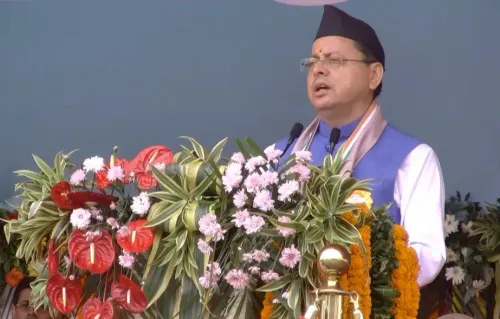
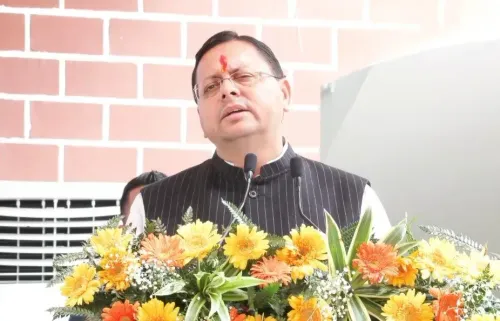
On this occasion, CM Dhami remarked, “Jan-Jan Ki Sarkar, Jan-Jan Ke Dwar is a campaign that is transforming the very mindset of governance in Uttarakhand. We believe that democracy is strengthened when the government reaches the people. Through this program, we ensure that even the person at the last mile can access government services and schemes without barriers. This is the Uttarakhand Model of Good Governance, founded on trust, solutions, and sensitivity.”
He added that the initiative has bolstered public trust in the administration, effectively diminished the role of middlemen, and curbed corruption. Direct interaction between the government and citizens has cultivated a culture of prompt problem resolution and significantly improved transparency and credibility in governance.
Point of View
The 'Jan-Jan Ki Sarkar, Jan-Jan Ke Dwar' initiative represents a significant shift towards more accessible and responsive governance in Uttarakhand. It highlights the importance of engaging with citizens directly, ensuring that governance is not just a distant concept but a tangible reality for all.
NationPress
14 Oct 2026
Frequently Asked Questions
What is 'Jan-Jan Ki Sarkar, Jan-Jan Ke Dwar'?
It is a public outreach initiative by the Uttarakhand government aimed at bringing government services directly to citizens' doorsteps.
Who leads this initiative?
The initiative is led by Chief Minister Pushkar Singh Dhami.
How many citizens participated in the initiative?
Over 135,194 citizens directly engaged in the initiative.
What types of grievances were addressed?
The initiative resolved a variety of grievances, including applications for essential certificates and welfare schemes.
What is the impact of this initiative?
It has improved public trust in governance, reduced corruption, and ensured quick resolution of issues.