CM Dhami: 6.30 Lakh Reached in Jan-Jan Ki Sarkar Drive
Synopsis
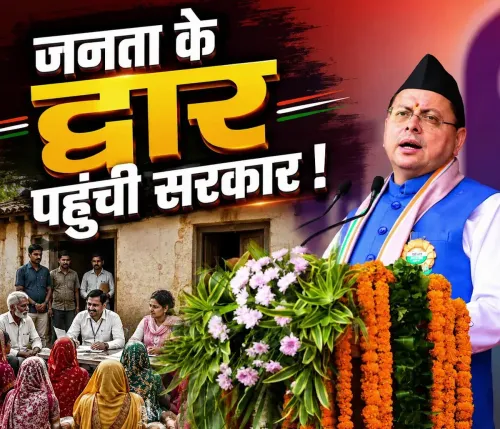
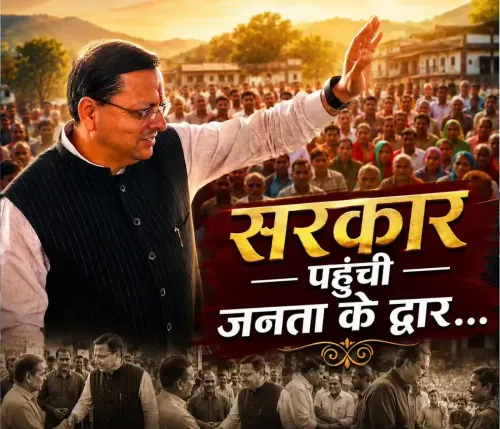
Chief Minister Pushkar Dhami announced on Independence Day 2026 that Uttarakhand's 'Jan-Jan Ki Sarkar, Jan-Jan Ke Dwar' campaign reached over 6.30 lakh citizens in two phases, resolving large-scale public grievances, and confirmed a third phase will follow shortly.
Key Takeaways
More than 6.30 lakh people participated across the first two phases of the 'Jan-Jan Ki Sarkar, Jan-Jan Ke Dwar' campaign.
Chief Minister Pushkar Singh Dhami made the announcement on Independence Day, August 15, 2026 .
A third phase of the campaign will be organised soon, according to Dhami.
The campaign's stated goal is swift resolution of public grievances and doorstep citizen service delivery.
Specific dates and locations for the third phase have not yet been announced.
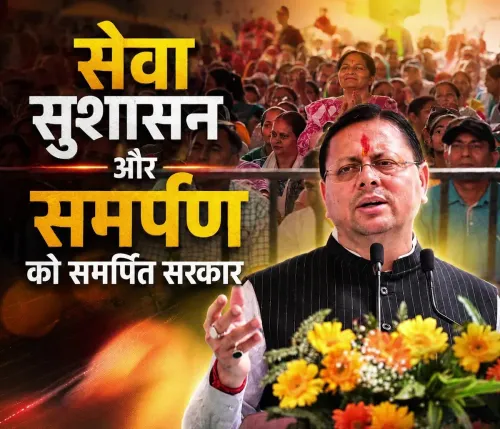
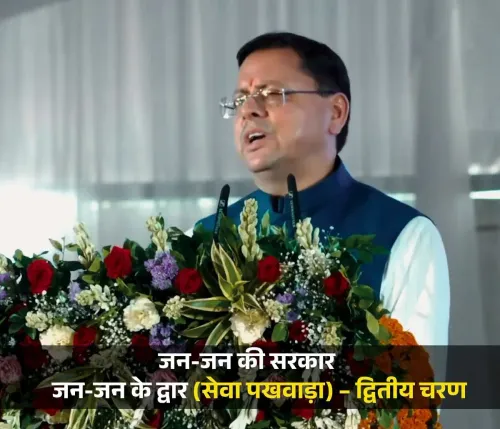
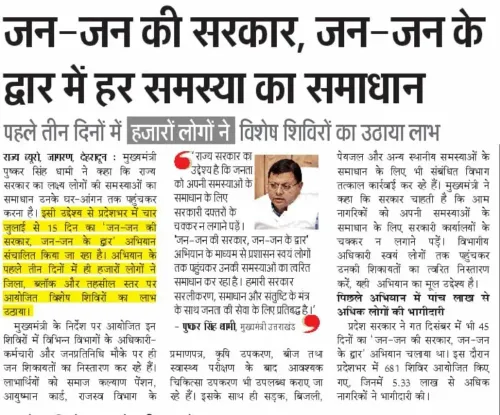
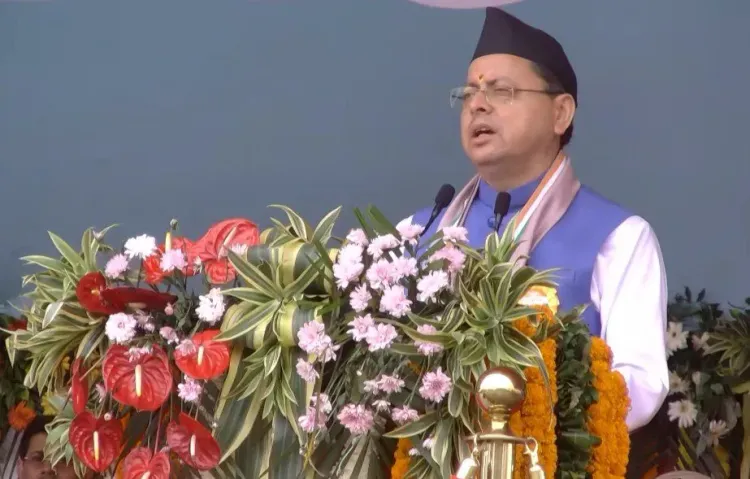
On Independence Day, August 15, 2026, Uttarakhand's doorstep governance campaign crossed a landmark: more than 6.30 lakh citizens engaged across two phases of the 'Jan-Jan Ki Sarkar, Jan-Jan Ke Dwar' initiative — and Chief Minister Pushkar Singh Dhami has announced a third phase is coming soon.
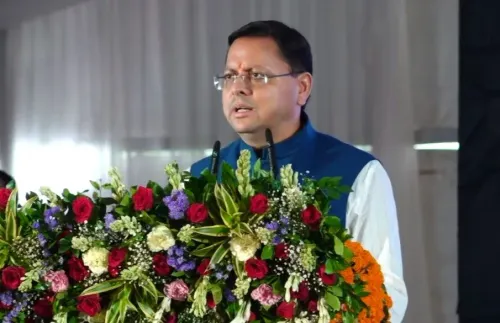
The Chief Minister's Office quoted Dhami as saying: 'Jan-Jan Ki Sarkar, Jan-Jan Ke Dwar' — 'A government for every person, at every person's door' — had resolved the problems of a large number of people across its first two phases, and that a third phase would be organised shortly, prioritising swift resolution of public grievances and making citizen service the central goal.
What the campaign actually does
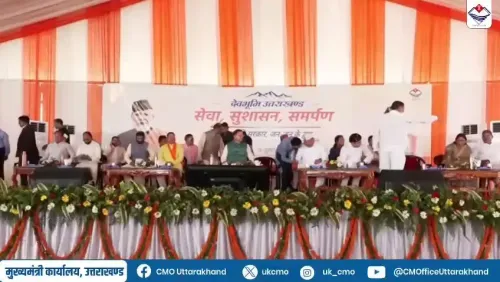
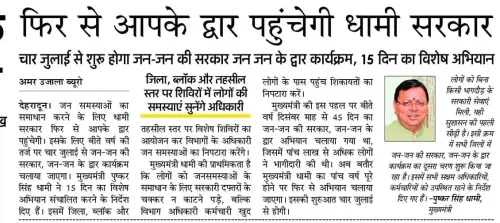
The 'Jan-Jan Ki Sarkar, Jan-Jan Ke Dwar' programme is Uttarakhand's structured multi-phase outreach effort to bring government administrators directly to citizens — cutting through the bureaucratic distance that has historically made grievance redressal slow in a state defined by remote hill terrain. Rather than requiring residents to travel to district offices or wait on helplines, government officials and elected representatives hold camps at the local level, hearing complaints and resolving them on the spot where possible.
The model builds on a wider pattern across Indian states — particularly BJP-governed ones — of running camp-based public darbars to demonstrate administrative responsiveness. What distinguishes this campaign is its branding as a sequential, multi-phase programme with tracked participation numbers, suggesting an intent to institutionalise the format rather than treat it as a one-off exercise.
Phase three on the horizon
Dhami's Independence Day announcement of a third phase signals that the state government views the campaign as a core governance vehicle, not a pre-election gesture. The timing — on August 15, a day of national visibility — amplifies the message: that Uttarakhand's administration is accessible and accountable. Specific dates, districts, or thematic focus areas for the next phase have not yet been announced.
With Uttarakhand's geography placing many communities hours from administrative centres, a programme that brings resolution to the doorstep carries real weight. The question the third phase will have to answer: whether the numbers translate into durable solutions, or whether unresolved cases cycle back into the system.
Point of View
Jan-Jan Ke Dwar' campaign fits squarely into a broader BJP governance playbook of high-visibility, multi-phase public outreach programmes designed to project administrative accessibility — particularly valuable in a hill state where geography creates a natural distance between citizens and government. Announcing the third phase on Independence Day is a deliberate framing choice, linking civic service delivery to national identity. The programme's long-term test will be whether it builds permanent grievance infrastructure or remains a periodic showcase. With Uttarakhand heading into a politically sensitive period, the cadence and reach of phase three will be closely watched as a signal of administrative intent.
NationPress
29 Sept 2026
Frequently Asked Questions
What is the 'Jan-Jan Ki Sarkar, Jan-Jan Ke Dwar' campaign in Uttarakhand?
It is a multi-phase public outreach programme by the Uttarakhand government that brings officials directly to citizens to hear and resolve local grievances, rather than requiring residents to travel to administrative offices.
How many people participated in the Jan-Jan Ki Sarkar campaign so far?
More than 6.30 lakh people participated across the first two phases of the campaign, according to Chief Minister Pushkar Singh Dhami's announcement on August 15, 2026.
When will the third phase of Jan-Jan Ki Sarkar be held?
CM Dhami announced the third phase will be held 'shortly,' but specific dates, districts, or focus areas have not yet been officially declared.
Who runs the Jan-Jan Ki Sarkar, Jan-Jan Ke Dwar campaign?
The campaign is run by the Uttarakhand state government under Chief Minister Pushkar Singh Dhami , who heads the BJP government in the state.
Why is Uttarakhand running a doorstep grievance campaign?
Uttarakhand's mountainous terrain makes it difficult for many residents to access district offices and administrative centres, so the campaign aims to bring government services and grievance resolution directly to communities.