CM Dhami Orders Officials Out to Public in Five-Year Outreach Drive
Synopsis
Chief Minister Pushkar Singh Dhami has directed all Uttarakhand officials to go directly among the public through the 'Jan-Jan Ki Sarkar, Jan-Jan Ke Dwar' campaign as the BJP government completes five years, prioritising grievance redressal and welfare scheme delivery to every eligible citizen.
Key Takeaways
CM Pushkar Singh Dhami issued a directive on 4 July 2026 ordering all state officials to proactively reach citizens under the Jan-Jan Ki Sarkar, Jan-Jan Ke Dwar campaign.
The campaign is timed to the completion of five years of the BJP government in Uttarakhand .
Officers are instructed to listen to public grievances, resolve them swiftly, and ensure scheme benefits reach every eligible person.
CM Dhami described successful campaign implementation as 'the greatest achievement of our five years.' The drive targets last-mile delivery of welfare schemes, particularly relevant for Uttarakhand's remote Himalayan communities.
District and block-level officers are the primary implementing agents under this directive.
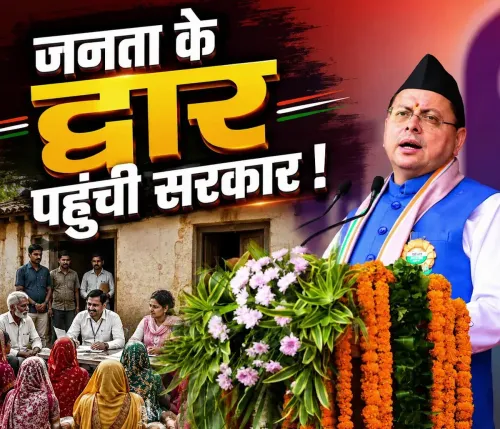
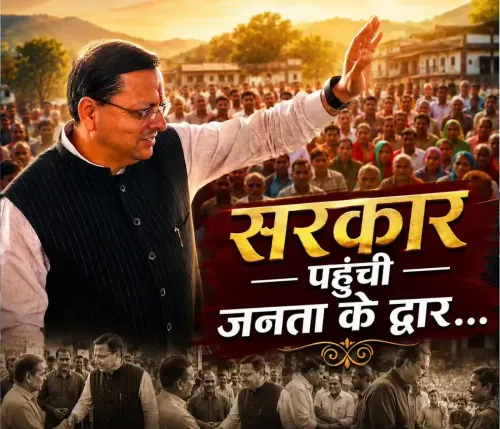
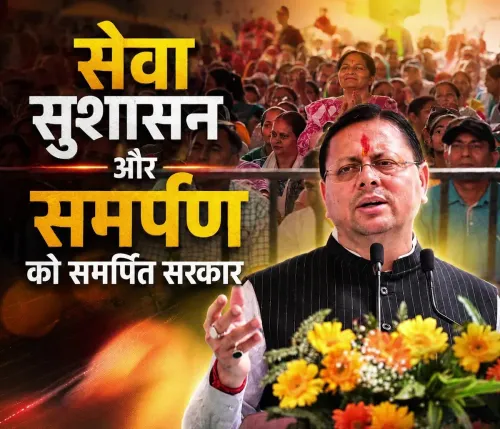
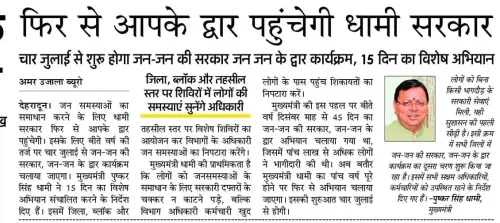
The Chief Minister's Office of Uttarakhand on Saturday, 4 July 2026, shared a directive from Chief Minister Pushkar Singh Dhami instructing all state officials to go directly among the public as the government completes five years in office, through a campaign called 'Jan-Jan Ki Sarkar, Jan-Jan Ke Dwar' ('Government of the People, at the Doorstep of Every Person').
Context
In the post, CM Dhami stated: 'I have given clear instructions to all officers that on completing five years, they should themselves go among the public through the Jan-Jan Ki Sarkar, Jan-Jan Ke Dwar campaign. They should listen to the people's problems, ensure their swift resolution, and deliver the benefits of government schemes to every eligible person. This will be the greatest achievement of our five years.'
The statement marks a significant administrative directive timed to the completion of the BJP government's five-year term in Uttarakhand, framing last-mile governance delivery as the defining measure of the administration's legacy.
Policy Backdrop
Pushkar Singh Dhami took charge as Chief Minister of Uttarakhand in July 2021, with a stated focus on administrative efficiency and welfare outreach in a state defined by its challenging Himalayan terrain and dispersed population. The Jan-Jan Ki Sarkar, Jan-Jan Ke Dwar campaign operationalises that focus by directing field officers to conduct door-to-door grievance redressal rather than waiting for citizens to approach government offices.
Such outreach-driven governance models have become a recurring feature across several BJP-governed states, aligning with a broader national pattern of direct administrative engagement aimed at improving accountability and scheme saturation at the grassroots level. For Uttarakhand, where remote villages in hill districts have historically faced barriers to accessing welfare programmes, the model carries particular relevance.
Stakeholders and Impact
The campaign's primary beneficiaries are common citizens and scheme-eligible residents across Uttarakhand, particularly those in geographically isolated areas who may not have received entitlements under central and state welfare programmes. Government officers at the district and block levels are the principal implementing agents, now bound by the Chief Minister's explicit directive to proactively reach out rather than function reactively.
For scheme beneficiaries — spanning categories such as housing, health, agriculture, and social security — the campaign promises faster resolution of pending grievances and improved access to entitlements. The directive also places measurable accountability on the bureaucracy, with the Chief Minister framing campaign outcomes as the administration's foremost achievement metric.
What's Next
Attention will now turn to how district administrations across Uttarakhand operationalise the Jan-Jan Ki Sarkar, Jan-Jan Ke Dwar campaign — including any timelines set for grievance resolution, coverage targets for scheme delivery, and progress reporting mechanisms. The Chief Minister's framing of this drive as the 'greatest achievement' of five years signals that campaign outcomes are likely to feature prominently in the government's political messaging in the period ahead. Whether the directive translates into measurable improvements in last-mile delivery will define both its administrative and political legacy.
Point of View
' the Chief Minister is setting a public accountability benchmark for his own administration, a move that doubles as electoral groundwork. The campaign fits a well-established pattern in BJP-governed states of deploying direct-engagement drives to consolidate welfare-state optics at the grassroots. The real test lies in execution: whether district machinery in Uttarakhand's difficult terrain can translate the directive into verifiable improvements in grievance resolution and scheme coverage.
NationPress
3 Oct 2026
Frequently Asked Questions
What is the Jan-Jan Ki Sarkar Jan-Jan Ke Dwar campaign in Uttarakhand?
'Jan-Jan Ki Sarkar, Jan-Jan Ke Dwar' is a public outreach campaign launched by the Uttarakhand government directing state officials to go door-to-door among citizens to hear grievances, resolve problems swiftly, and ensure welfare scheme benefits reach every eligible person.
Why did CM Dhami issue this directive to Uttarakhand officials?
CM Pushkar Singh Dhami issued the directive to mark the completion of five years of his government, framing proactive public outreach and last-mile scheme delivery as the defining achievement of the administration's term.
What will Uttarakhand officials do under this campaign?
Officials are required to personally visit communities, listen to citizens' problems, ensure rapid resolution of grievances, and deliver the benefits of central and state government schemes to all eligible residents.
How long has Pushkar Singh Dhami been Chief Minister of Uttarakhand?
Pushkar Singh Dhami has served as Chief Minister of Uttarakhand since July 2021 , completing approximately five years in office by mid-2026.
Which citizens benefit from the Jan-Jan Ki Sarkar Jan-Jan Ke Dwar campaign?
The campaign primarily benefits common citizens and welfare scheme-eligible residents across Uttarakhand, with a particular focus on those in remote Himalayan areas who face barriers to accessing government programmes.