Odisha Governor pushes corporates to rethink CSR beyond compliance
Synopsis
Odisha's Governor used the Bridge Bharat Conclave 2026 to deliver a pointed rebuke of box-ticking CSR culture — calling on steel, power, and mining companies to make communities active partners, not passive recipients. With Viksit Odisha@2036 on the line, he framed outcome-linked CSR as non-negotiable, not optional.
Key Takeaways
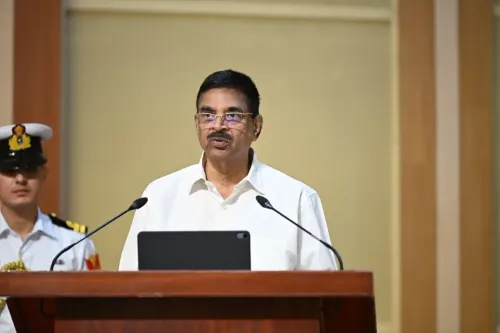
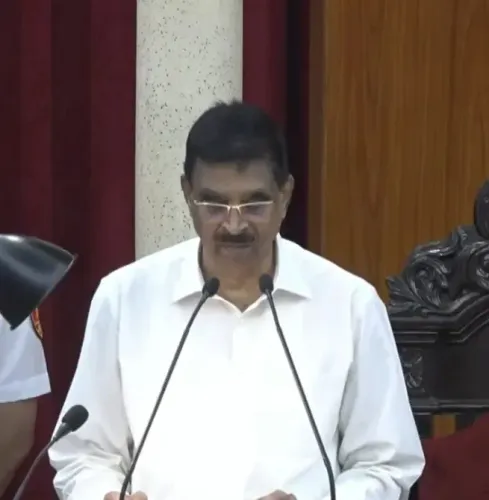
Governor Hari Babu Kambhampati addressed the Bridge Bharat Conclave 2026 in Bhubaneswar on 18 August 2026 .
He called for a shift from a 'spend-and-report' CSR model to a strategic, participatory, and outcome-focused approach.
Sectors highlighted: steel, power, mining, and manufacturing — urged to balance growth with environmental and community responsibility.
Special emphasis on tribal and backward districts , disaster preparedness, and women-led enterprises in mining-affected areas.
Kambhampati linked effective CSR to the goals of Viksit Odisha@2036 and Viksit Bharat@2047 .
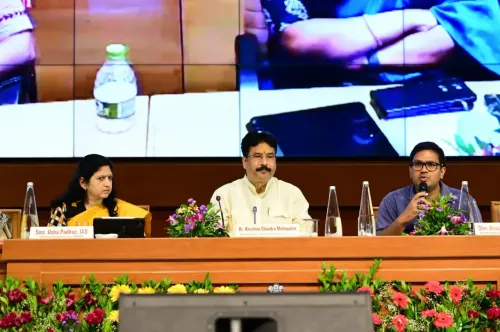
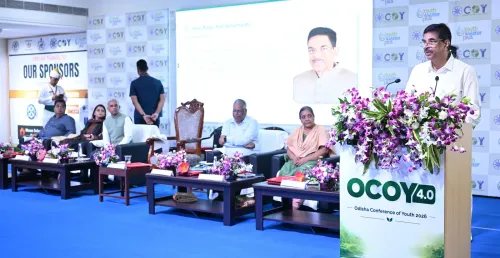
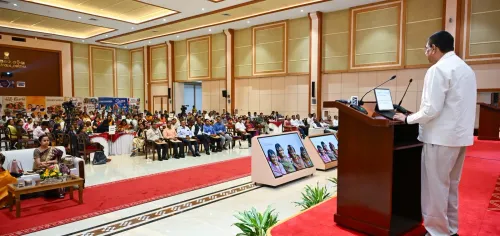
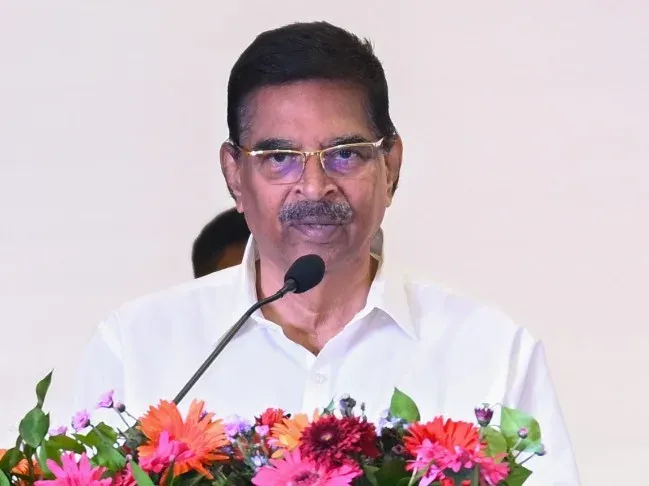
Odisha Governor Hari Babu Kambhampati on Tuesday, 18 August 2026, called on corporate leaders assembled in Bhubaneswar to move beyond statutory CSR obligations and embrace Corporate Social Responsibility as a genuine instrument of the state's development — not a compliance checkbox. The appeal came at the Bridge Bharat Conclave 2026 and a national seminar on 'Corporate Social Responsibility: Emerging Issues & Challenges'.
The Core Message
Kambhampati argued that CSR has fundamentally outgrown its origins in charitable giving. India's CSR framework under the Companies Act, 2013 created a structured channel for corporate resources to flow into health, education, livelihoods, women's empowerment, environmental sustainability, rural development, and disaster management — but the Governor said the architecture is only as good as the intent behind it.
He called for a decisive shift away from a 'spend-and-report' model toward one that is strategic, participatory, and measurable. 'Communities should not merely be beneficiaries of projects, but active partners in designing and sustaining them,' he said.
Sectors Under the Spotlight
The Governor singled out steel, power, mining, and manufacturing — sectors driving rapid industrialisation in Odisha — as areas where environmental responsibility, climate resilience, and community well-being must keep pace with economic output. He urged industries operating in mining-affected zones to prioritise forest and biodiversity conservation, water security, livelihood restoration, local employment, and women-led enterprises through their CSR mandates.
On education, Kambhampati stressed investment in foundational literacy and numeracy, teacher development, digital learning, scholarships, and mentorship — particularly for first-generation learners in tribal and backward districts.
Disaster Preparedness as a CSR Priority
Given Odisha's well-documented vulnerability to cyclones and other natural disasters, the Governor made a pointed case for corporate investment in disaster risk reduction and preparedness. He framed this not as philanthropy but as strategic resilience-building for communities where industries operate and depend.
The Larger Vision
Kambhampati connected the CSR agenda to two overarching policy goals: Viksit Odisha@2036 and the national vision of Viksit Bharat@2047. He said well-designed CSR initiatives, guided by the triple bottom line — profit, people, and planet — could meaningfully advance both targets, provided corporate technology, expertise, and innovation are aligned with social priorities through stronger collaboration among government, industry, academia, civil society, and local communities.
The conclave underscored a growing consensus that India's CSR regime, now over a decade old, needs to evolve from compliance-driven spending to outcome-linked partnership if it is to deliver at scale.
Point of View
2013 mandate is now over a decade old, yet the Governor's frustration with 'spend-and-report' culture signals that compliance optics still dominate genuine impact. Odisha is a telling test case — a state with vast mineral wealth and persistent human development deficits, where the gap between CSR spends and community outcomes is most visible. The call for measurable, community-partnered CSR is right, but without a credible third-party assessment framework and public disclosure of outcomes, the shift from rhetoric to results will remain elusive. The linkage to Viksit Odisha@2036 gives the agenda political urgency, but political urgency alone has not historically been enough to change corporate behaviour on the ground.
NationPress
3 Oct 2026
Frequently Asked Questions
What did Odisha Governor Hari Babu Kambhampati say about CSR at the Bridge Bharat Conclave 2026?
Governor Kambhampati urged corporate leaders to move beyond statutory CSR compliance and adopt a strategic, outcome-focused model that makes communities active partners rather than passive beneficiaries. He spoke at the Bridge Bharat Conclave 2026 and a national seminar on CSR in Bhubaneswar on 18 August 2026.
What is the 'spend-and-report' CSR model the Governor criticised?
The 'spend-and-report' model refers to companies fulfilling their CSR obligations by disbursing the mandated funds and filing regulatory reports, without ensuring measurable community impact. The Governor called for replacing this with participatory, outcome-linked initiatives.
Which sectors did the Governor specifically address in his CSR appeal?
He specifically called out steel, power, mining, and manufacturing sectors, urging them to align rapid industrialisation with environmental responsibility, climate resilience, and community well-being, particularly in mining-affected areas.
How does CSR connect to Viksit Odisha@2036 and Viksit Bharat@2047?
Governor Kambhampati said well-designed CSR initiatives guided by the triple bottom line — profit, people, and planet — could advance both the Viksit Odisha@2036 state vision and the national Viksit Bharat@2047 goal, provided corporate resources are aligned with social priorities.
Why did the Governor emphasise disaster preparedness in the CSR context?
Odisha is among India's most cyclone-prone states. The Governor argued that corporate investment in disaster risk reduction and preparedness is not philanthropy but strategic resilience-building for the communities where industries operate.