India-Bangladesh ties: MEA reiterates 'positive' stance, Hasina extradition under review
Synopsis
India wants warmer ties with Bangladesh — but on its own timeline. As Dhaka links Sheikh Hasina's extradition to conditions for PM Tarique Rahman's India visit, New Delhi's MEA is holding its 'established processes' line, signalling that diplomatic patience, not urgency, is India's current strategy on a dispute that could define the bilateral relationship for years.
Key Takeaways
MEA spokesperson Randhir Jaiswal on 18 August reaffirmed India's desire for 'positive, constructive, and forward-looking' ties with Bangladesh .
Sheikh Hasina's extradition request from Dhaka continues to be examined through India's 'established processes' — with no timeline given.
Bangladesh has made a 'propitious environment' — including action on extradition — a precondition for PM Tarique Rahman's bilateral visit to India.
Dhaka also wants India to act on extradition requests for individuals linked to the killing of Sharif Osman , under the bilateral extradition treaty.
India's High Commissioner recently met PM Rahman to discuss matters of mutual interest, indicating diplomatic contact is ongoing.
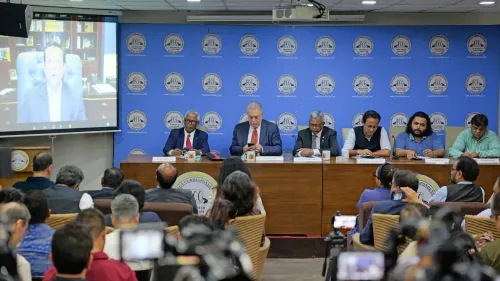
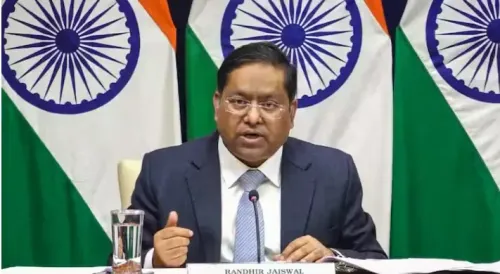
The Ministry of External Affairs (MEA) on Tuesday, 18 August reaffirmed India's desire for 'positive, constructive, and forward-looking' relations with Bangladesh, even as it confirmed that Dhaka's extradition request for former Prime Minister Sheikh Hasina continues to be examined through established legal procedures. The statement came during a bi-weekly media briefing in New Delhi.
What the MEA Said
MEA spokesperson Randhir Jaiswal addressed reporters at the briefing, responding to questions about recent remarks from the Bangladesh Ministry of Foreign Affairs. 'India desires positive, constructive, and forward-looking relations with Bangladesh based on mutuality of interest and reciprocity. These requests are being examined as part of our established processes,' Jaiswal said.
He declined to elaborate further on Hasina's extradition status, noting that India's position on the matter 'remains unchanged' and that the process is being handled through standard diplomatic and legal channels.
Bangladesh's Demands and Conditions
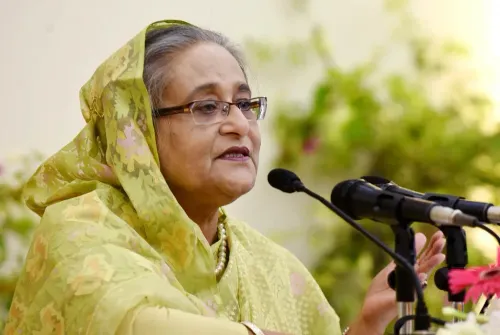
On Sunday, A K M Shahidul Karim, spokesperson for Bangladesh's Ministry of Foreign Affairs, urged India to act expeditiously on its extradition request and help create what he called a 'propitious environment' for Prime Minister Tarique Rahman to make a bilateral visit to India.
'We are of the view that a propitious environment needs to be created for the visit,' Karim said, according to Bangladeshi media reports. He confirmed that officials from both countries had been in contact for several weeks over the possibility of Rahman's visit.
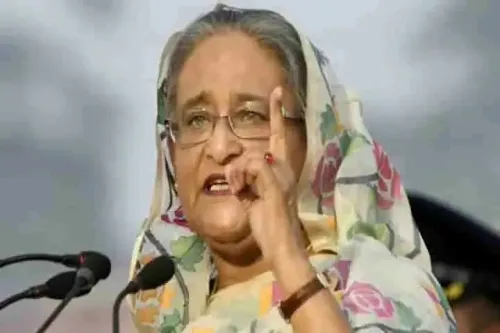
Karim also said Bangladesh had requested Indian authorities to promptly act on extradition requests concerning Hasina and other individuals described as 'fugitives', as well as to hand over those accused in the killing of Bangladeshi radical Islamist leader Sharif Osman, under the terms of the bilateral extradition treaty. 'We are awaiting their response,' he added.
The Hadi Case and High Commissioner Meeting
Jaiswal also addressed a separate legal matter — the case involving suspects in the killing of an individual identified as Hadi. He noted that investigations into that case are currently ongoing. 'On Hadi, I told you that this is a legal matter in which investigations are ongoing presently,' Jaiswal said.
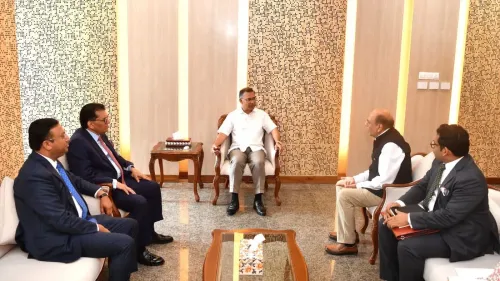
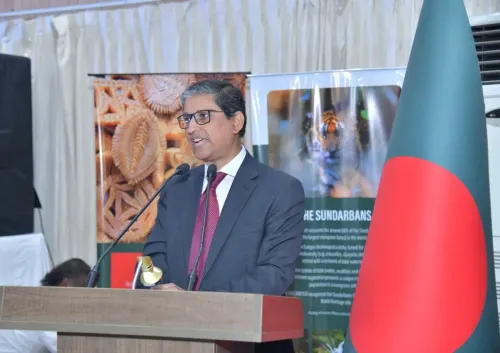
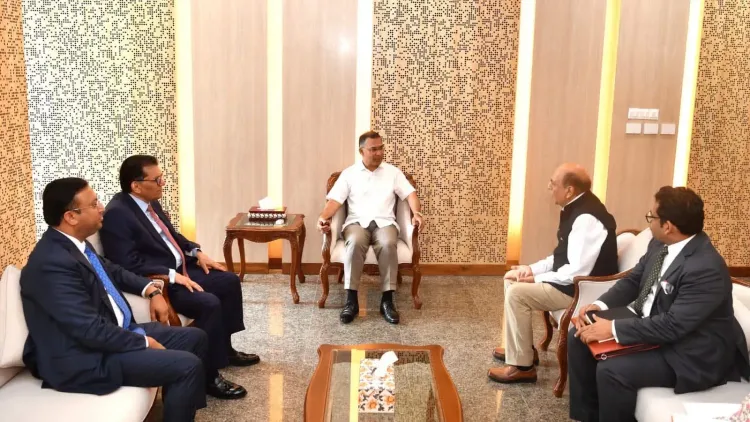
He further disclosed that India's High Commissioner had recently met with Prime Minister Rahman to discuss 'matters of mutual interest', signalling that diplomatic engagement between the two neighbours continues at a senior level despite the unresolved extradition dispute.
Context and Background
This is not the first time India has reiterated its 'established processes' line on the Hasina extradition. The MEA made a near-identical statement the previous week, suggesting New Delhi is in no hurry to accelerate the process. Notably, Dhaka's framing — linking the extradition to the conditions for Rahman's visit — introduces a degree of diplomatic conditionality that India has not publicly acknowledged.
This comes amid a broader recalibration of India-Bangladesh ties following the political transition in Dhaka. The two countries share a 4,156-kilometre border, deep trade linkages, and a bilateral extradition treaty, making the resolution of these legal disputes consequential for the overall relationship. How India navigates the Hasina question will likely shape the pace and scope of bilateral engagement in the months ahead.
Point of View
Preserving leverage. What mainstream coverage underplays is Bangladesh's escalation: by linking extradition to the conditions for Rahman's visit, Dhaka is effectively making diplomatic normalisation contingent on legal action, a posture India has not publicly engaged with. The High Commissioner's meeting with Rahman suggests back-channel talks are active, but the public positions remain far apart. If New Delhi continues to stall without a credible legal explanation, it risks being seen in Dhaka as shielding Hasina — a perception that could harden public sentiment in Bangladesh against India at a politically sensitive moment.
NationPress
18 Aug 2026
Frequently Asked Questions
What did India's MEA say about Bangladesh on 18 August?
MEA spokesperson Randhir Jaiswal reaffirmed that India desires 'positive, constructive, and forward-looking' relations with Bangladesh, and confirmed that Dhaka's extradition request for former PM Sheikh Hasina is being examined through established legal procedures. No timeline was given for a decision.
Why is Bangladesh pressing India on Sheikh Hasina's extradition?
Bangladesh has sought the extradition of former Prime Minister Sheikh Hasina and others it describes as 'fugitives' under the bilateral extradition treaty. Dhaka has also linked action on this request to creating a 'propitious environment' for PM Tarique Rahman's planned bilateral visit to India.
What is the current status of Tarique Rahman's visit to India?
Officials from both countries have reportedly been in contact for several weeks over the possibility of PM Tarique Rahman's bilateral visit to India. Bangladesh's foreign ministry spokesperson said a 'propitious environment' — including progress on extradition requests — needs to be created before the visit can happen.
What is the Sharif Osman case mentioned by Bangladesh?
Bangladesh has requested India to hand over individuals accused in the killing of Sharif Osman, described as a Bangladeshi radical Islamist leader, under the terms of the bilateral extradition treaty. India has not publicly responded to this specific request.
What is the Hadi case that the MEA referenced?
The MEA noted that investigations into a case involving suspects in the killing of an individual identified as Hadi are currently ongoing in India. Jaiswal described it as a legal matter being handled through the judicial process, with no further details provided.