Belgium High Fens wildfire: New hotspots emerge, 2 firefighters hospitalised
Synopsis
Belgium's High Fens wildfire has scorched 3,000 hectares and shows no sign of quick resolution — burning peat is releasing toxic carbon monoxide, two firefighters are in hospital, and stronger winds could push the blaze into Germany. With nine aircraft grounded by cloud cover and suppression efforts expected to last weeks, this is no ordinary forest fire.
Key Takeaways
The High Fens wildfire in Belgium has burned approximately 3,000 hectares as of Tuesday, 19 August 2025 .
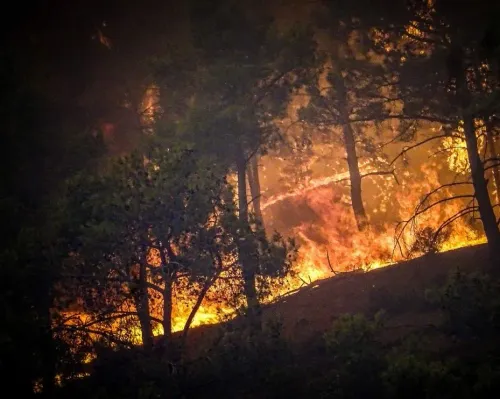
New hotspots continued to emerge despite rain and higher humidity slowing the fire's advance.
Two firefighters were hospitalised with carbon monoxide poisoning from smouldering peat; both are in stable condition.
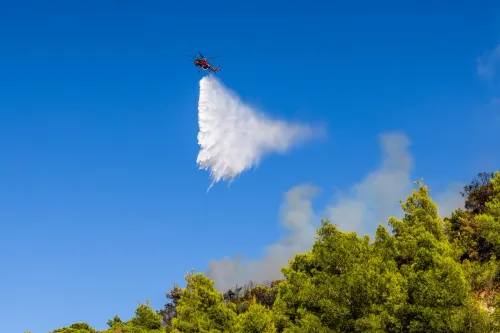
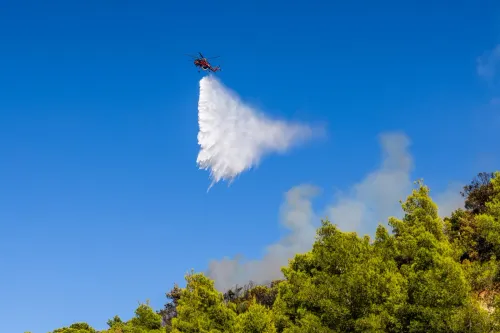
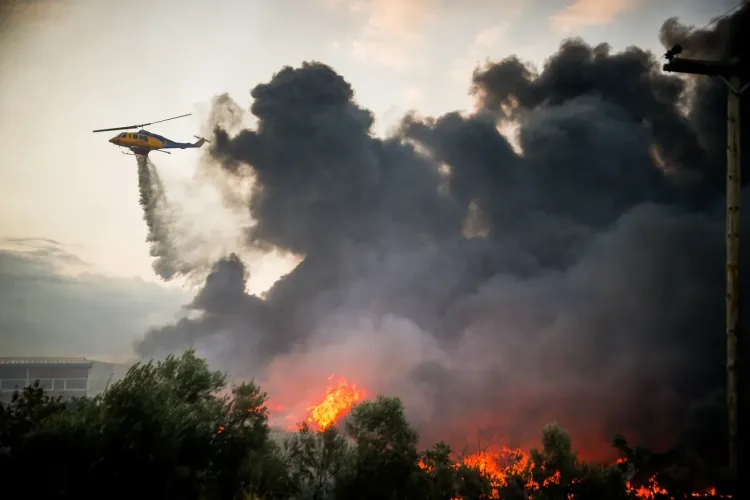
Nine aircraft available for aerial support were grounded due to low cloud cover and poor visibility.
Smoke crossed into Luxembourg — exceeding the daily PM10 limit — and reportedly reached northeastern France .
WWF Belgium called the fire a climate change warning and urged habitat restoration as a priority.
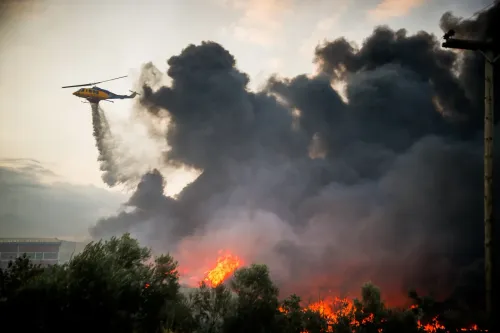
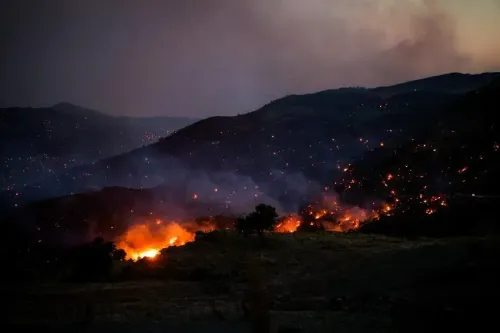
A wildfire burning across Belgium's High Fens region had not spread further by Tuesday morning, 19 August 2025, but new hotspots continued to emerge as firefighters raced to fully encircle the blaze, according to local authorities. The burned area stood at approximately 3,000 hectares, with the fire posing a potential cross-border threat to coniferous forests in Germany.
Situation on the Ground
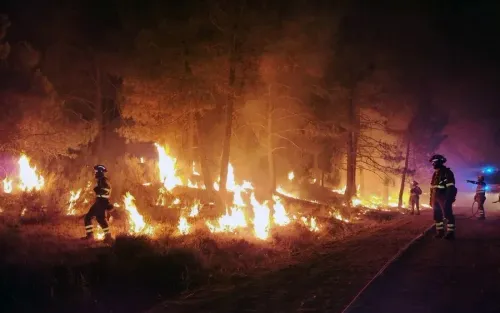
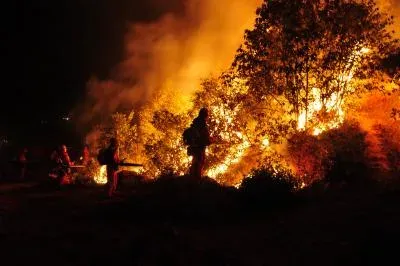
Rain and higher humidity helped slow the fire's advance overnight but were insufficient to extinguish it. Nicolas Yernaux, spokesperson for the Public Service of Wallonia (SPW), confirmed that firefighters were reinforcing defensive lines on the northern and eastern fronts by clearing combustible material, creating firebreaks, and felling trees.
Yernaux described Tuesday as potentially decisive in fully encircling the fire, but warned that stronger winds could push the blaze past defensive lines and into German territory. Burning peat in the area continued to release large quantities of gases, including carbon monoxide.
Firefighters Hospitalised
Two firefighters were treated for carbon monoxide poisoning and taken to hospital. Both were reported to be in stable condition. The toxic emissions stem from smouldering peat, which burns at depth and is notoriously difficult to extinguish — a challenge that Belgian Interior Minister Bernard Quintin acknowledged could persist for several weeks even after the fire is brought under control.
Aviation Support Grounded, Evacuees Partially Return
According to the office of the governor of Liege Province, firefighting operations continued throughout the night and the blaze remained contained. Nine aircraft were available to assist, but low cloud cover and poor visibility kept them grounded. They were expected to be deployed once conditions permitted safe operations.
Some residents who had been evacuated earlier were allowed to return home on Monday evening, while access restrictions remained in place across parts of the High Fens.
Cross-Border Impact and Political Response
Smoke from the wildfire crossed international borders. Authorities in neighbouring Luxembourg said the daily PM10 particulate limit was exceeded on Monday, while reports indicated the smoke plume had reached northeastern France.
The Belgian Chamber of Representatives' Interior Committee is scheduled to hold an extraordinary meeting on Thursday, during which Minister Quintin will answer lawmakers' questions about the wildfire response.
Climate Warning from WWF
World Wildlife Fund (WWF) Belgium described the wildfire as a significant warning in the context of climate change, calling for the restoration of damaged habitats to be made a national priority. The High Fens — a protected moorland and peat bog ecosystem — is particularly vulnerable to prolonged dry spells, which scientists have linked to shifting climate patterns across northwestern Europe.
With Tuesday's conditions set to test the defensive perimeter, authorities are watching wind forecasts closely as the operation enters what could be its most critical phase.
Point of View
And the fact that nine aircraft sat grounded while the blaze threatened German territory exposes a structural gap between available assets and operational readiness. WWF's climate framing is correct but incomplete: the deeper question is why a protected peat bog ecosystem was allowed to reach ignition conditions in the first place, and whether Belgium's land management protocols are calibrated for a climate that no longer behaves as it did when those protocols were written.
NationPress
3 Oct 2026
Frequently Asked Questions
How large is the Belgium High Fens wildfire?
The burned area stood at approximately 3,000 hectares as of Tuesday morning, according to Nicolas Yernaux, spokesperson for the Public Service of Wallonia. The fire had not spread further overnight but new hotspots were still emerging.
Why were firefighters hospitalised during the High Fens fire?
Two firefighters were treated for carbon monoxide poisoning caused by gases released from burning peat in the High Fens. Both were in stable condition after being taken to hospital.
Could the Belgium wildfire spread to Germany?
Authorities warned that stronger winds could push the blaze past defensive lines and threaten coniferous forests on German territory. Firefighters were reinforcing the northern and eastern fronts to prevent such a scenario.
What cross-border impact has the wildfire had?
Smoke from the High Fens fire caused Luxembourg to exceed its daily PM10 particulate limit on Monday, and reports indicated the smoke plume reached northeastern France. The fire has prompted an extraordinary parliamentary committee meeting in Belgium on Thursday.
How long could firefighting operations continue?
Belgian Interior Minister Bernard Quintin said efforts to damp down the affected area and prevent flare-ups could continue for several weeks even after the fire is brought under control, due to the persistent nature of burning peat.