Belgium wildfire burns 900 hectares in High Fens, still out of control
Synopsis
Belgium's High Fens — a protected conservation zone — is burning for the second major time in 14 years, with 900 hectares already gone and the fire still spreading. Military Panther vehicles, a third helicopter, and cross-border German firefighters are all in play, yet containment remains elusive. The backdrop: Belgium's third heatwave of the summer and an EU-wide burned area already exceeding 568,000 hectares — well above the 20-year norm.
Key Takeaways
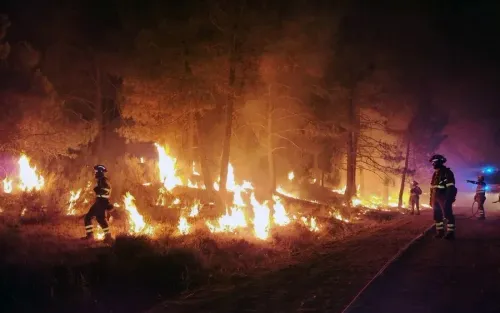
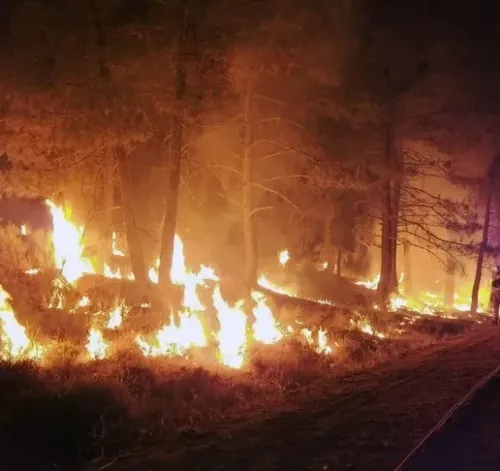
A wildfire in High Fens, eastern Belgium has burned approximately 900 hectares and remained out of control as of Saturday morning, 15 August .
The fire started near the Drossart roundabout, Baelen municipality, Liège province at around 1 pm on Friday ; the cause is unknown.
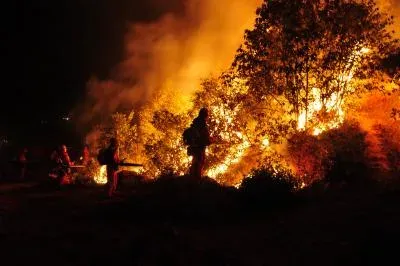
More than 100 personnel — including firefighters from other Belgian provinces and Germany — worked through the night to contain the blaze.
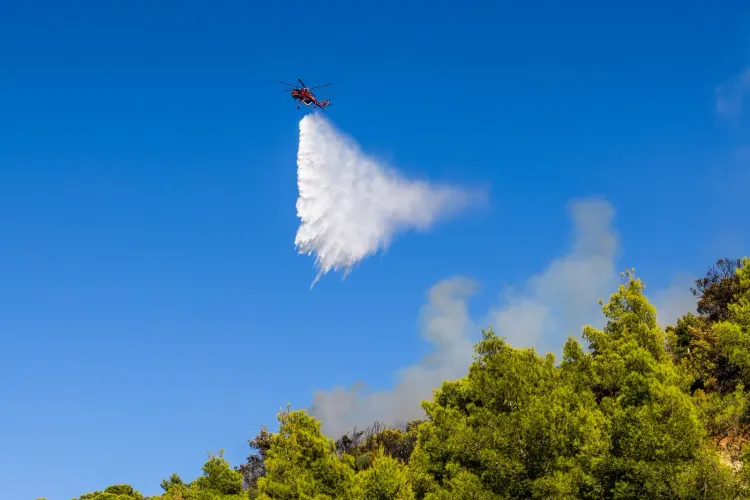
Baelen Mayor Nathalie Thonnissen confirmed deployment of a third helicopter ; the Belgian Defence Ministry is sending three Panther firefighting vehicles .
The N68 national road , the Gileppe reservoir , and the Eupen dam access routes are closed; no evacuations had been ordered as of Saturday morning.
More than 568,000 hectares have burned across the EU as of 13 August , well above the 20-year average , according to the European Forest Fire Information System.
A wildfire in the High Fens area of eastern Belgium has scorched approximately 900 hectares of vegetation and remained out of control as of late Saturday morning, 15 August, with military ground units and additional aerial assets deployed to contain the spreading blaze. The fire broke out in the Fagne des Deux-Series area near the Drossart roundabout in Baelen municipality, eastern Liège province, at around 1 pm on Friday. The cause has not yet been established.
How the Fire Is Spreading
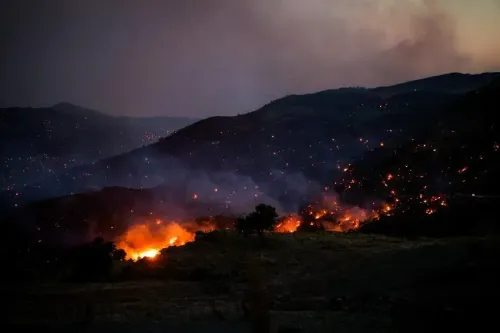
Local fire officials confirmed Saturday morning that the blaze was still advancing. A shift in wind direction, according to media reports, pushed the fire toward a new area, significantly complicating containment efforts. Large portions of the affected terrain remain inaccessible to fire engines, forcing authorities to rely heavily on aerial support.
Scale of the Response
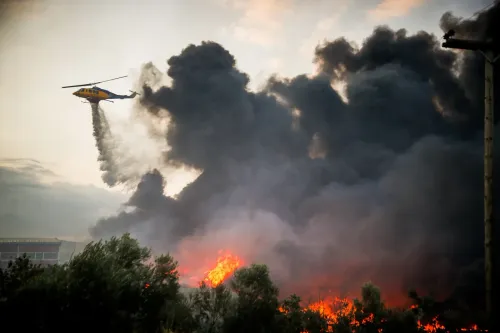
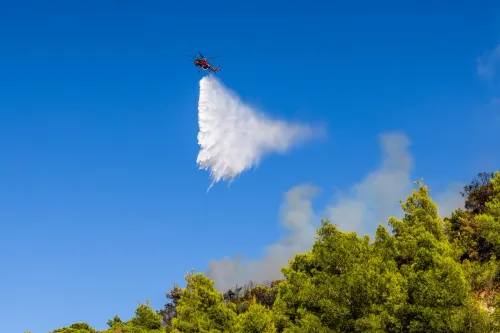
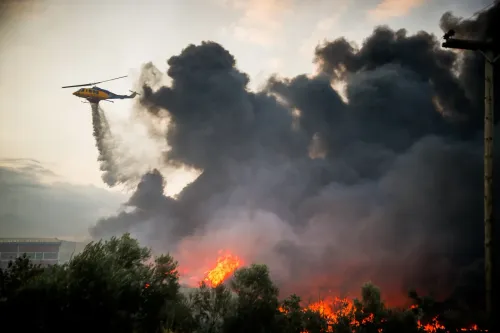
More than 100 personnel worked through the night in an effort to bring the fire under control, according to local authorities. Firefighters from other Belgian provinces and neighbouring Germany joined the operation, while local farmers assisted by refilling a water source used by firefighting helicopters. Baelen Mayor Nathalie Thonnissen confirmed that a third helicopter was being deployed on Saturday to reinforce aerial operations. The Belgian Defence Ministry said three Panther firefighting vehicles were also being dispatched to bolster ground operations.
Emergency Measures and Road Closures
A provincial emergency plan was activated on Friday. The N68 national road and several other roads remain closed. Access to the Gileppe reservoir and the Eupen dam has been suspended. As of Saturday morning, no residents had been evacuated.
Why the High Fens Matters
The High Fens is home to several habitats of European conservation importance, making the ecological stakes of the fire particularly high. The region has seen severe wildfires before — in 2011, a blaze consumed more than 1,300 hectares, the largest area on record for the area. The current fire is the most significant since that incident.
The Broader Climate Context
The fire comes as Belgium endures its third heatwave of the summer. According to the Copernicus Climate Change Service, western Europe recorded its hottest June–July period on record this year, with persistent heat and drought sharply elevating wildfire risk across the continent. Data from the European Forest Fire Information System showed that more than 568,000 hectares had burned across the European Union as of 13 August — well above the 20-year average for this time of year. This is the third major risk-off fire event in western Europe this summer, underlining a pattern that climate scientists have long warned about.
Authorities have not yet provided a timeline for full containment; the situation is expected to evolve as wind conditions change over the weekend.
Point of View
Belgium's third heatwave of the summer, and an EU burned area already past 568,000 hectares collectively signal that fire management frameworks built for historical climate baselines are no longer adequate. The 2011 High Fens fire, which burned 1,300 hectares, was treated as an outlier; a second major fire at the same site fourteen years later suggests it was a preview. The real question is whether Belgian and EU emergency protocols will be scaled to match a new normal, or whether each fire will continue to be treated as an exceptional event requiring improvised cross-border responses.
NationPress
30 Sept 2026
Frequently Asked Questions
Where is the Belgium wildfire burning and how large is it?
The wildfire is burning in the High Fens area of eastern Belgium, specifically in the Fagne des Deux-Series zone near Baelen municipality in Liège province. As of Saturday morning, 15 August, it had scorched approximately 900 hectares of vegetation and remained out of control.
What caused the High Fens wildfire in Belgium?
The cause of the fire has not yet been established, according to local authorities. It broke out at around 1 pm on Friday near the Drossart roundabout in Baelen municipality.
What resources are being used to fight the Belgium wildfire?
More than 100 personnel worked through the night, joined by firefighters from other Belgian provinces and Germany. A third helicopter was deployed Saturday, and the Belgian Defence Ministry dispatched three Panther firefighting vehicles. Local farmers also assisted by refilling water sources used by helicopters.
Have residents been evacuated due to the High Fens fire?
No evacuations had been ordered as of Saturday morning, 15 August. However, the N68 national road and several other roads remain closed, and access to the Gileppe reservoir and Eupen dam has been suspended.
How does the current High Fens fire compare to past wildfires in the area?
The 2011 wildfire in the High Fens burned more than 1,300 hectares — the largest on record for the area. The current fire at 900 hectares is the most significant since that event. It comes amid Belgium's third heatwave of the summer and an EU-wide burned area exceeding 568,000 hectares as of 13 August, well above the 20-year average.