Bangladesh sidesteps Hasina's December return plan amid India extradition row
Synopsis
Dhaka condemned the very press conference in which Sheikh Hasina announced her December return — yet its official statement stayed silent on that specific claim. The selective response lays bare a government caught between extradition demands, a fragile economy, a resurgent opposition, and the political minefield that Hasina's homecoming would detonate.
Key Takeaways
Bangladesh's MOFA used Sheikh Hasina's online press conference to demand her extradition from India , while ignoring her stated plan to return home in December 2025 .
Prime Minister Tarique Rahman's proposed India visit has been ruled out by Dhaka, linked to the extradition standoff.
The World Bank projects Bangladesh's growth to slow to 3.9 per cent in FY26 , adding economic urgency to the political crisis.
The Bangladesh–India extradition treaty (2013, amended 2016) allows refusal for political offences but excludes crimes like murder from that protection.
Hasina , 78 , faces a death sentence and is one of only two survivors of the Sheikh Mujibur Rahman family massacred in 1975 .
Bangladesh Jamaat-e-Islami , now the principal opposition in Parliament after its ban was lifted, is pressing the government on the July Charter and its Pakistan outreach.
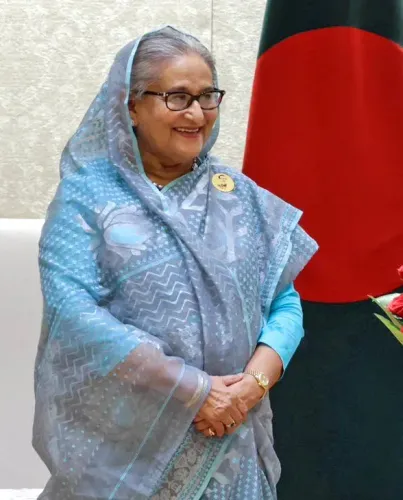
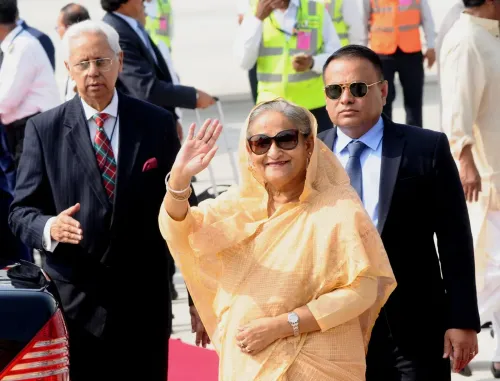
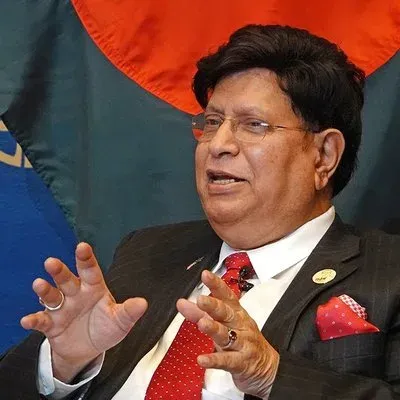
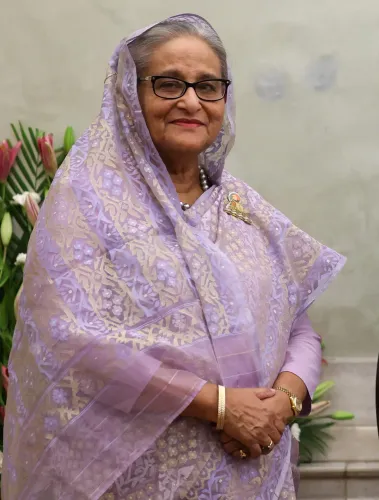
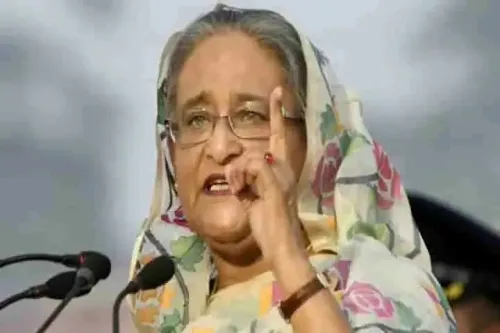
Bangladesh's foreign ministry chose to overlook former Prime Minister Sheikh Hasina's stated intention to return home in December 2025 even as it used the same online press conference she held to demand her extradition from India and signal a rethink on Prime Minister Tarique Rahman's proposed India visit. The selective response has drawn attention to the widening fault lines in Dhaka's foreign policy and domestic political calculus.
The Diplomatic Contradiction
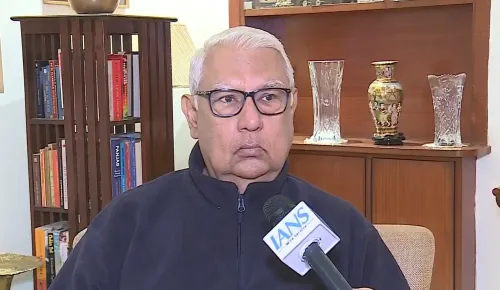
A day before Bangladesh's Ministry of Foreign Affairs (MOFA) ruled out Rahman's India tour, M. Humayun Kabir — president of the Bangladesh Enterprise Institute and a former Bangladeshi ambassador to the United States — wrote in The Daily Star that relations with India 'are currently at a point where there is a clear need to rethink the relationship from a new perspective.' Kabir acknowledged that 'India's renewed interest is understandable,' given the two countries 'are deeply interconnected because of geography, history and mutual interdependence,' but added that 'Bangladesh says it will no longer lean excessively on one particular partner for political or domestic reasons.'
That framing reflects a broader pressure campaign directed at the Bangladesh Nationalist Party (BNP)-led government, which has completed six months in power and is facing domestic criticism over what one media report on Tuesday described as being 'strong on optics, less so on delivery.' Analysts cited in that report noted the government 'still had a long way to go to make people feel secure in terms of law and order and energy,' and that some of the Prime Minister's efforts to project a people-centric image 'were being undermined by the conduct of party colleagues.'
Opposition Pressure and the Jamaat Factor
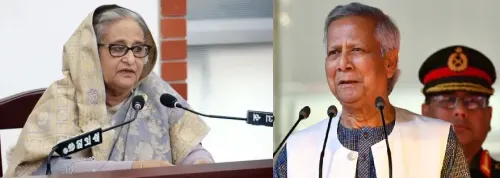
The Opposition alliance, led by Bangladesh Jamaat-e-Islami, is simultaneously criticising the government for reaching out to Pakistan — the country from whose oppression Bangladesh gained independence in 1971 — even at the cost of straining ties with India. The Jamaat, a major Islamist political party with a controversial past rooted in its opposition to Bangladesh's independence, was banned under the Hasina regime. That ban was lifted during the tenure of the Muhammad Yunus-led interim government, and the party now serves as the principal opposition force in Parliament. It is also pushing the government to implement the July Charter, which continues to face legal and constitutional challenges.
Economic Headwinds Complicate the Picture
The political turbulence arrives against a difficult economic backdrop. The World Bank's Bangladesh Development Update has projected growth to slow to 3.9 per cent in FY26, warning that 'a protracted conflict in the Middle East could have significant implications for Bangladesh,' including higher inflation, reduced fiscal space from rising energy subsidies, and a weaker current account. Economist Fahmida Khatun wrote that 'after six months of the BNP government, the economy has yet to show a promising performance,' with inflation, revenue mobilisation, and the energy crisis remaining critical unresolved challenges.
Under such conditions, Dhaka can ill afford the political and economic instability that Hasina's return could trigger. Her arrival risks unsettling investors and disrupting what remains a fragile economic recovery.
Hasina's December Gambit
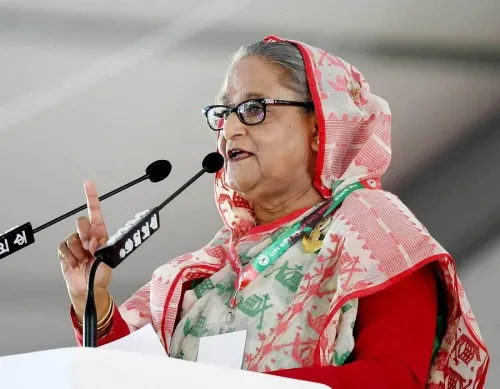
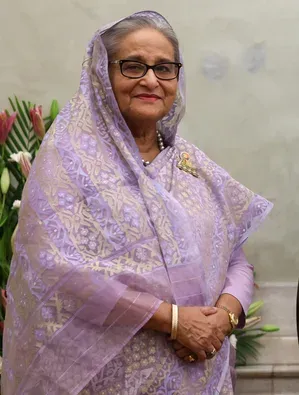
Hasina's announcement to return home in December was timed to coincide with what Bangladesh marks as 'Victory Month' — commemorating the country's liberation in the 1971 war. In her remarks, she acknowledged that imprisonment or even death could await her upon return, invoking a narrative of national resilience and personal sacrifice to frame herself as a leader willing to endure risk for Bangladesh's democratic future.
Her return would ignite immediate tensions between the government and the Awami League, which has been banned from political activity. Arresting her risks fanning unrest and drawing international condemnation; any negotiation, conversely, could be read as political weakness.
The Extradition Treaty and India's Position
India and Bangladesh did sign an extradition treaty in 2013, amended in 2016. However, Article 6 of the treaty permits refusal for political offences — though it also specifies that crimes including murder, manslaughter, assault causing grievous harm, possession of explosives or firearms intended to endanger life, and violations of multilateral treaty obligations are not classified as political offences.
India has stated officially that it must examine the matter in light of the legal and judicial processes involved before considering the handover of a former Prime Minister who faces a death sentence. The 78-year-old leader of the Bangladesh Awami League carries that sentence alongside a deeply personal historical weight: she and her sister Rehana are the only surviving members of the family of Sheikh Mujibur Rahman, Bangladesh's founding father, who was shot dead along with his wife Begum Fazilatunnesa, sons Sheikh Kamal, Sheikh Jamal, and 10-year-old Sheikh Russel in 1975. Other relatives were also killed in coordinated attacks across Dhaka. Both Hasina and Rehana were abroad at the time.
For now, both New Delhi and Dhaka appear to be in a mode of strategic patience — waiting to see how the other moves before committing to a course of action.
Point of View
Pulling the government toward harder positions on both India and the Awami League. The real question is not whether Hasina returns in December, but whether Dhaka has a coherent plan for any of the scenarios that follow.
NationPress
2 Oct 2026
Frequently Asked Questions
What did Sheikh Hasina announce about returning to Bangladesh?
Sheikh Hasina announced her intention to return to Bangladesh in December 2025, timing the move to coincide with 'Victory Month,' which commemorates the country's liberation in the 1971 war. She acknowledged that imprisonment or death could await her but framed the decision as an act of personal sacrifice for Bangladesh's democratic future.
Why did Bangladesh overlook Hasina's return announcement in its official statement?
Bangladesh's Ministry of Foreign Affairs used Hasina's online press conference to demand her extradition from India and condemn the event, but made no reference to her specific December return plan. Analysts suggest the government is navigating a political minefield — engaging with the timeline publicly could trigger domestic instability it is currently ill-positioned to handle.
What is the status of the Bangladesh–India extradition treaty?
India and Bangladesh signed an extradition treaty in 2013, which was amended in 2016. Article 6 allows extradition to be refused for political offences, but the treaty explicitly excludes crimes such as murder, manslaughter, and assault causing grievous harm from that protection. India has said it must assess the matter through its own legal and judicial processes.
How is Bangladesh's economy affecting the political situation?
The World Bank projects Bangladesh's growth to slow to 3.9 per cent in FY26, with risks including higher inflation, an energy subsidy burden, and weaker remittances. Economist Fahmida Khatun has written that after six months of BNP rule, the economy has yet to show promising performance — making the prospect of political turmoil from Hasina's return particularly damaging for investor confidence.
What role is Bangladesh Jamaat-e-Islami playing in the current political landscape?
Bangladesh Jamaat-e-Islami, once banned under the Hasina regime and rehabilitated during the Muhammad Yunus-led interim government, is now the principal opposition force in Parliament. It is criticising the BNP government for its outreach to Pakistan and pressing for implementation of the July Charter, which still faces legal and constitutional challenges.