Bangladesh FM statement on India 'juvenile', says former ministers
Synopsis
Bangladesh’s own former ministers are calling their government’s foreign ministry statement ‘juvenile’ — a rare instance of a state’s diplomatic language becoming the controversy. With Sheikh Hasina signalling a year-end return, an extradition demand on the table, and India publicly stepping back, the India-Bangladesh diplomatic fault line is widening in real time.
Key Takeaways
Former Bangladesh ministers condemned the BNP -led government’s Ministry of Foreign Affairs statement targeting Sheikh Hasina and India as “juvenile” and undiplomatic.
The Bangladesh government called Hasina an “absconding convicted genocider” and demanded India extradite her.
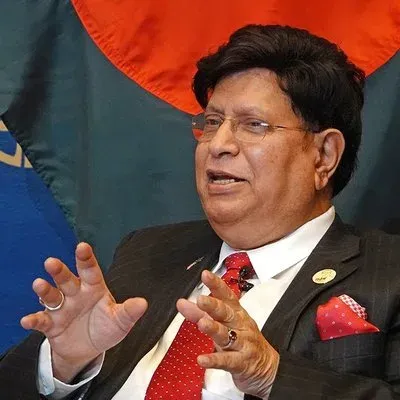
Former Minister Mohammad Ali Arafat said the statement’s tone was “wholly unbecoming of a diplomatic communique.” Former Foreign Minister A.
Abdul Momen alleged that Bangladeshi media was prevented from broadcasting Hasina’s speech.
MEA spokesperson Randhir Jaiswal confirmed India had no involvement in Hasina’s media interaction, which was organised by a private entity.
Sheikh Hasina , in exile in India for two years , said she intends to return to Bangladesh by year-end.
Several former ministers of Bangladesh have sharply criticised the Tarique Rahman-led government for its inflammatory remarks targeting both former Prime Minister Sheikh Hasina and India, calling the administration's diplomatic language “juvenile” and accusing it of abandoning the basic standards of statecraft. The backlash followed Hasina’s virtual media address from New Delhi on 6 August, during which she also indicated she intends to return to Bangladesh before the year-end.
What the BNP-Led Government Said
Marking the anniversary of the 2024 July Revolution, the Bangladesh Nationalist Party (BNP)-led government described Hasina as an “absconding convicted genocider,” a “mass murderer,” and the head of a “mafia enterprise.” It also urged India to extradite the former Prime Minister and characterised her scheduled media appearance as an affront to Bangladesh’s sovereignty.
The statement, issued by Bangladesh’s Ministry of Foreign Affairs, drew immediate condemnation from former members of the Awami League-era cabinet, who described its tone as unfit for any official state institution.
Former Ministers Push Back
Former Minister of State for Information and Broadcasting Mohammad Ali Arafat was among the most direct in his criticism. “The statement issued by the Ministry of Foreign Affairs carries a tone of juvenile anger that is wholly unbecoming of a diplomatic communique or any state institution. While an individual may speak out of petulance or personal resentment, an institution must uphold composure, professionalism, and dignity,” Arafat said.
Former Foreign Minister A. K. Abdul Momen went further, accusing the present administration of suppressing media freedom and alleging that television channels and newspapers in Bangladesh did not publish or broadcast Hasina’s speech. In a post on X, Momen said, “Now this racist government of Tarique Rahman has expressed outrage against the Indian government and the Indian media organisations for not stopping Sheikh Hasina from speaking to reporters. They argued that she must not be allowed to open her mouth and tell the truth about the meticulously designed overthrow of her democratically elected government, as she has been convicted in a kangaroo court in absentia.”
The Tarique-Hasina Exile Parallel
Former ministers also drew a pointed comparison between Hasina’s current situation and Tarique Rahman’s own 17-year exile in the United Kingdom, during which he was a convicted individual under a caretaker government. They argued that Hasina’s Awami League government never moved to silence Rahman during that period.
Momen noted: “Interestingly, Tarique Rahman while in exile in UK (and was a convicted criminal by a Caretaker Government) during the past 17 years was never been denied by the Sheikh Hasina’s Awami League government to speak to his people. But once in power, he is curbing freedom of speech and freedom of expression and media both home and beyond.”
Momen also outlined three demands Hasina placed before the people of Bangladesh during her address: the lifting of the ban on the Awami League, the withdrawal of what she described as politically motivated cases against her supporters, and the restoration of judicial independence and the rule of law.
India Distances Itself from the Event
India moved swiftly to clarify its position. Ministry of External Affairs (MEA) spokesperson Randhir Jaiswal, speaking at a bi-weekly media briefing in New Delhi, stated that the government had no involvement in Hasina’s media interaction and did not endorse any views expressed at the forum. “The interaction being referred to is being organised by a private media entity. The government has no involvement whatsoever in it and does not endorse any views that may be expressed at the forum,” Jaiswal said.
This comes amid an already strained diplomatic relationship between New Delhi and Dhaka since Hasina’s departure from Bangladesh in 2023. The episode marks a fresh low in bilateral communication, with the language of an official foreign ministry statement now itself becoming a subject of diplomatic controversy.
What Comes Next
Hasina’s stated intention to return to Bangladesh by year-end, combined with the BNP-led government’s extradition demand and the Awami League’s continued ban, sets the stage for a prolonged political and legal standoff. How India navigates its role as the host country — while maintaining official distance — will be closely watched in the months ahead.
Point of View
And Dhaka never lodged a protest with London. The current government’s selective outrage undermines its own argument. India’s swift disavowal of any role in Hasina’s media event is legally prudent but does little to reduce the friction — New Delhi remains the elephant in the room as long as Hasina is on Indian soil.
NationPress
20 Sept 2026
Frequently Asked Questions
Why did former Bangladesh ministers criticise the Foreign Ministry statement?
Former ministers called the Bangladesh Foreign Ministry’s statement targeting Sheikh Hasina and India ‘juvenile’ and undiplomatic, arguing that official state institutions must maintain composure and professionalism. They said the statement’s tone resembled personal resentment rather than formal diplomatic communication.
What did the BNP-led Bangladesh government say about Sheikh Hasina?
The BNP-led government described Hasina as an ‘absconding convicted genocider,’ a ‘mass murderer,’ and the head of a ‘mafia enterprise,’ in a statement marking the anniversary of the 2024 July Revolution. It also urged India to extradite her and called her media appearance an affront to Bangladesh’s sovereignty.
What is India’s official position on Sheikh Hasina’s media address?
India’s Ministry of External Affairs stated it had no involvement in Hasina’s virtual media interaction and did not endorse any views expressed. Spokesperson Randhir Jaiswal confirmed the event was organised by a private media entity.
What demands did Sheikh Hasina make during her address?
According to former Foreign Minister A. K. Abdul Momen, Hasina made three demands: the lifting of the ban on the Awami League, the withdrawal of what she described as politically motivated cases against her supporters, and the restoration of judicial independence and the rule of law in Bangladesh.
How does Tarique Rahman’s exile compare to Sheikh Hasina’s current situation?
Critics, including former minister A. K. Abdul Momen, have noted that Tarique Rahman spent 17 years in exile in the United Kingdom as a convicted individual, yet the Hasina-led Awami League government never attempted to prevent him from addressing his supporters. They argue the current BNP-led government is applying a double standard by seeking to silence Hasina.