Why is Bangladesh's Awami League Criticizing UN Rights Probe Coverage?
Synopsis
The Awami League of Bangladesh raises concerns about the selective media coverage of the UN's OHCHR report on the July-August 2024 demonstrations. They stress the need for a comprehensive understanding of the report, which they argue has been misrepresented to undermine their government. Discover the implications of this controversy.
Key Takeaways
Awami League's concerns about media bias.
Importance of understanding the full OHCHR report .
Historical context of violence in Bangladesh.
Role of militant groups in current unrest.
Implications of political accountability .
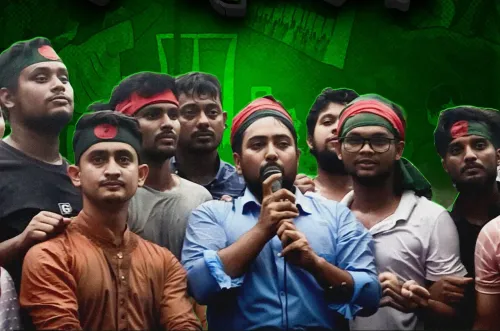
Dhaka, Oct 8 (NationPress) The Awami League of Bangladesh criticized local media on Monday for providing selective coverage of a fact-finding team from the Office of the UN High Commissioner for Human Rights (OHCHR). This team visited Bangladesh from September 16, 2024 to February 12, 2025 and later issued a report concerning the 'July–August 2024 demonstrations'.
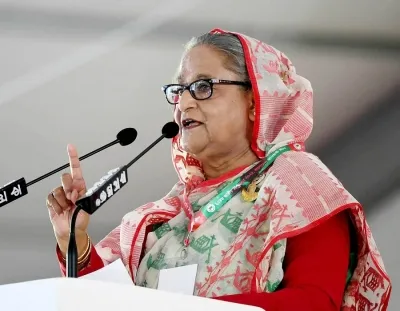
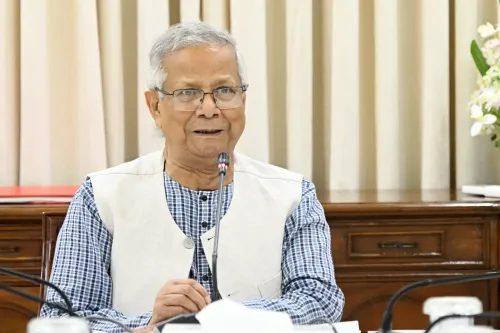
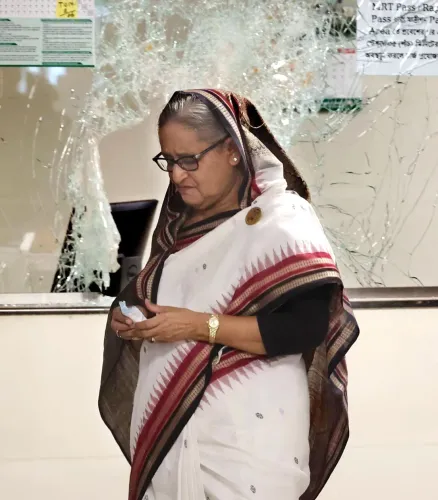
The party accused the media of emphasizing only parts of the report that were critical of former Prime Minister Sheikh Hasina and her government, amidst a backdrop of severe censorship imposed by the Muhammad Yunus-led interim government.
According to the Awami League, the report highlighted a climate of fear following Hasina's ousting, indicating that since August 5, numerous journalists and civil society observers have sensed a reverse intimidation atmosphere, leading to self-censorship regarding favorable coverage of the Awami League.
The party stated, “For the sake of clarity, the Bangladeshi public deserves to know all aspects of the OHCHR report. Since the media has predominantly showcased allegations against the Awami League government, it would be more prudent to address the other findings.”
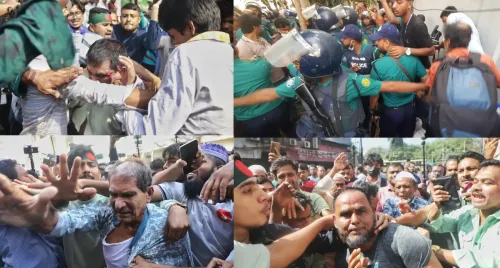
The Awami League highlighted that the violence during July and August resulted in significant casualties, clarifying that the OHCHR report mentioned that not all fatalities were due to state forces, suggesting that various opportunistic groups were involved.
Recalling events from the one-sided election on February 25, 1996, the party noted that at least 171 protesters lost their lives within a month.
Moreover, the Awami League pointed out the growing presence of militant groups, emphasizing that while there were no domestic militants in 1996, such groups were active in 2024.
The party cited that Pakistan-based Jamaat-ud-Dawa and Lashkar-e-Taiba openly claimed involvement during the so-called 2024 movement, framing it as a militant attack rather than a movement.
After Hasina's departure for India on August 5, thousands reportedly attacked the Jatrabari police station, leading to international media reports of over 50 fatalities when police defended themselves. Similar incidents occurred at the Ashulia police station in Savar, with numerous police stations nationwide facing assaults, resulting in casualties among both police and civilians.
The Awami League questioned the accountability of Hasina, the Awami League, or its student wing, Chhatra League, for these deaths. They noted that the OHCHR report, lacking thorough investigation, attributed most deaths to police and security forces while implicating the Awami League and Chhatra League.
Point of View
It's crucial to recognize the complexities of the narrative surrounding the Awami League's response to the UN's report. This issue reflects broader themes of media freedom, governmental accountability, and the need for transparent dialogue in Bangladesh. It's essential to maintain a balanced perspective while considering the ongoing political dynamics in the region.
NationPress
19 Sept 2026
Frequently Asked Questions
What is the UN OHCHR report about?
The UN OHCHR report focuses on the July-August 2024 demonstrations in Bangladesh, analyzing the violence and implications surrounding these events.
Why did the Awami League criticize the media coverage?
The Awami League criticized the media for selectively highlighting parts of the report that portrayed the government negatively while ignoring other critical aspects.
What are the historical references made by the Awami League?
The Awami League referenced the violent protests following the 1996 elections, emphasizing the loss of life and the need to consider all factors in the current unrest.
What militant groups are mentioned in the context?
The Awami League mentioned that Pakistan-based groups like Jamaat-ud-Dawa and Lashkar-e-Taiba have claimed involvement in the 2024 demonstrations.
What is the significance of the Jatrabari incident?
The Jatrabari incident involved a violent attack on a police station, resulting in significant fatalities, showcasing the escalating tensions during the demonstrations.