CM Vishnu Deo Sai Targets Congress Over Emergency, 1947 PM Choice
Synopsis
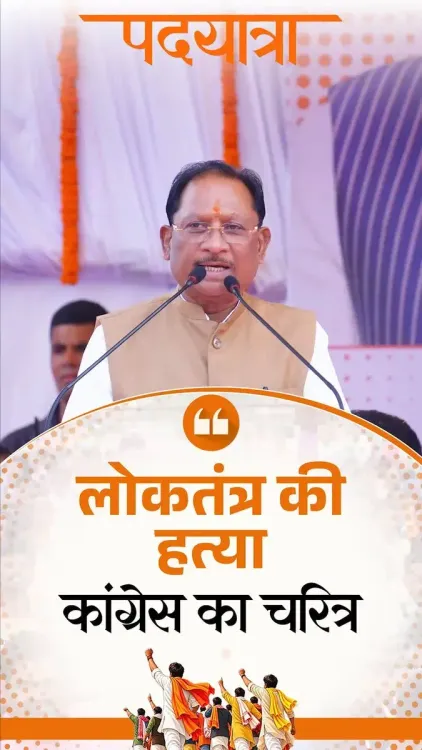
Chhattisgarh Chief Minister Vishnu Deo Sai posted a pointed attack on Congress on 4 November 2026, invoking the party's 1947 decision to choose Nehru over Patel and the 1975-77 Emergency as evidence of its long record of undermining democratic values.
Key Takeaways
Chhattisgarh CM Vishnu Deo Sai posted a Hindi attack on Congress on 4 November 2026 , accusing the party of a historic pattern of anti-democratic conduct.
He cited the 1947 Congress Working Committee decision to make Nehru Prime Minister instead of Sardar Vallabhbhai Patel as a founding instance of internal democratic subversion.
The 1975–1977 Emergency under Indira Gandhi — which suspended fundamental rights for 21 months — was his second major exhibit.
The BJP has long used both episodes as campaign tools to question whether Congress is genuinely committed to democratic norms.
No specific triggering event for the November 2026 post has been verified; it follows a recurring pattern of BJP historical indictments of Congress.
Congress had not issued a formal response at the time of publication.
Two of independent India's most contested historical chapters — the bypassing of Sardar Vallabhbhai Patel for the prime ministership in 1947 and the suspension of democratic rights during the 1975 Emergency — were invoked on Wednesday, 4 November 2026 by Chhattisgarh Chief Minister Vishnu Deo Sai in a sharply worded attack on the Congress party.
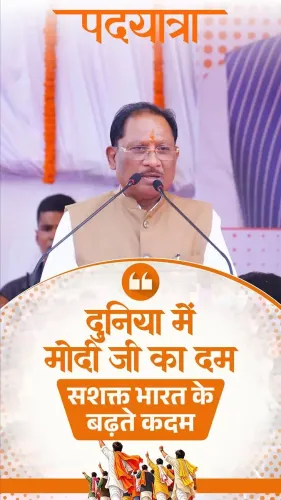
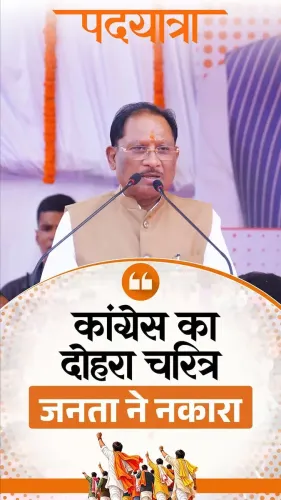
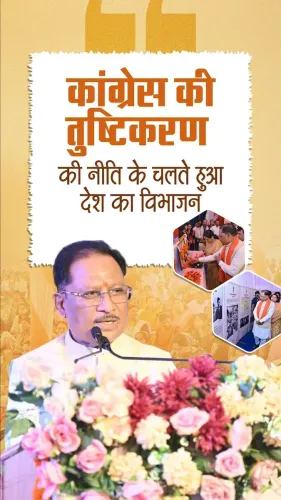
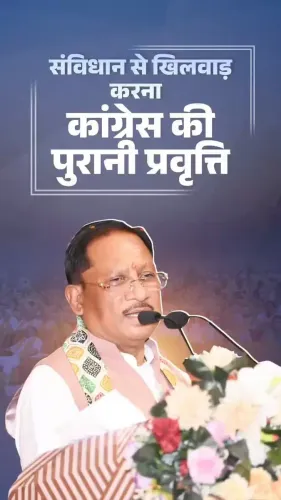
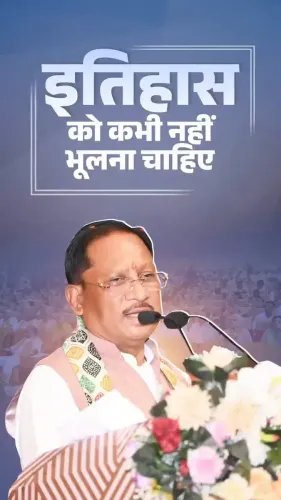
Posting on X in Hindi, CM Sai wrote: 'कांग्रेस की वोट चोरी और लोकतांत्रिक मूल्यों को कुचलने का इतिहास पुराना है' — 'Congress has a long history of vote theft and trampling democratic values.' He pointed specifically to two episodes: the Congress Working Committee's decision to elevate Jawaharlal Nehru as Prime Minister over Patel, and the declaration of the national Emergency under Indira Gandhi that stripped citizens of democratic rights for nearly two years.
The 1947 succession and the Patel question
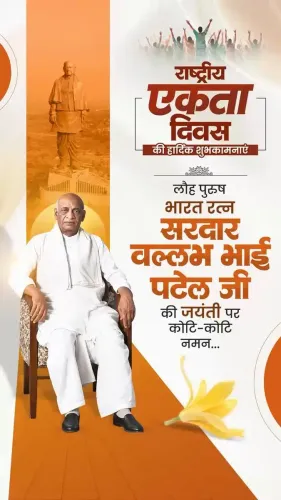
The charge about Patel versus Nehru is one of the most relitigated arguments in Indian political discourse. In 1947, the Congress Working Committee backed Jawaharlal Nehru as independent India's first Prime Minister despite Patel commanding significant organisational support within the party. BJP leaders have consistently framed this as a moment when democratic preference within the Congress was subordinated to dynastic or elite preference — a narrative that has gained particular traction since the construction of the Statue of Unity in 2018, which recast Patel as a symbol of the BJP's alternative vision of nationhood.
Patel, who served as India's first Deputy Prime Minister and Home Minister, is credited with the integration of over 500 princely states. His exclusion from the top post remains a live grievance in BJP rhetoric — and CM Sai deployed it as the opening exhibit in his case against Congress's democratic credentials.
The Emergency: India's darkest democratic chapter
The second charge — the 1975–1977 Emergency — carries even greater emotional weight. On 25 June 1975, Prime Minister Indira Gandhi's Congress government invoked Article 352 of the Constitution, suspending fundamental rights, jailing opposition leaders, and imposing press censorship for 21 months. It remains the only period in post-independence India when democratic freedoms were formally extinguished by executive decree.
For the BJP, the Emergency is not merely history — it is a recurring campaign instrument, used to question whether the Congress is structurally committed to democratic norms. CM Sai's post frames it not as an aberration but as evidence of a pattern: 'ऐसे कई लोकतंत्र विरोधी कृत्यों से भरा हुआ है' — 'filled with many such anti-democratic acts.'
Chhattisgarh's BJP-Congress rivalry as the backdrop
In Chhattisgarh, where the BJP under CM Sai wrested power from the Congress in the December 2023 assembly elections, the historical framing serves an immediate political purpose. With the opposition Congress seeking to rebuild in the state, attacks on its national legacy are a standard tool for delegitimising its local revival. The specific trigger for the 4 November 2026 post could not be independently verified, but the content follows a pattern of periodic historical indictments that BJP leaders deploy ahead of party events, legislative sessions, or in response to Congress's own political messaging.
Congress is yet to issue a formal response to CM Sai's post. The party has historically countered such attacks by pointing to its governance record, the Constitution's framing, and by contextualising the Emergency as a unique political crisis — arguments that do little to diminish the BJP's appetite for the same two charges.
When a sitting Chief Minister reaches back five decades and nearly eight decades to make his case, it signals that in Indian politics, history is never past — it is permanently on the ballot.
Point of View
The BJP keeps its opponent permanently on the defensive about events that happened decades before most current voters were born. In Chhattisgarh specifically, where the BJP is a relatively recent governing force, importing national historical grievances onto the state stage is a way of making the Congress's local comeback feel structurally unsafe. The absence of a triggering news hook for this particular post also reveals something: for the BJP, these charges do not need a fresh occasion — they are a standing indictment, refreshed at will.
NationPress
4 Nov 2026
Frequently Asked Questions
Why did CM Vishnu Deo Sai criticise Congress on 4 November 2026?
CM Sai posted on X accusing Congress of a long history of anti-democratic conduct, specifically citing the 1947 decision to make Nehru rather than Patel Prime Minister, and the 1975-77 Emergency. No specific news trigger for the post has been verified.
Why do BJP leaders often mention Sardar Patel versus Nehru?
BJP leaders argue the 1947 Congress Working Committee bypassed Patel — who had wide organisational support — in favour of Nehru, framing it as evidence that Congress has historically suppressed democratic preferences within its own ranks.
What was the 1975 Emergency in India?
The Emergency was a period from June 1975 to March 1977 when Prime Minister Indira Gandhi's Congress government invoked Article 352, suspending fundamental rights, jailing opposition leaders, and imposing press censorship for approximately 21 months.
Is Vishnu Deo Sai the Chief Minister of Chhattisgarh?
Yes. Vishnu Deo Sai of the BJP became Chief Minister of Chhattisgarh after the party won the state assembly elections in December 2023.
How has Congress responded to BJP's Emergency and Patel charges?
Congress has historically countered by pointing to its broader governance record and contextualising the Emergency as a unique political crisis. The party had not issued a specific response to CM Sai's 4 November 2026 post at the time of publication.