Sheikh Hasina warns Bangladesh in 'dangerous phase' after 2024 upheaval
Synopsis
Speaking at an international forum, exiled former Bangladesh PM Sheikh Hasina levelled her most detailed public accusations yet — naming Muhammad Yunus, Tarique Rahman, and Jamaat-e-Islami as co-architects of a 'meticulously designed' plot that toppled her government, released convicted militants, and unleashed violence on minorities and the judiciary. The address marks a clear bid to internationalise her political fight.
Key Takeaways
Sheikh Hasina on 22 July alleged Bangladesh entered a 'dangerous phase' following the July-August 2024 political upheaval that ousted her Awami League government.
She accused Muhammad Yunus , Tarique Rahman , and Jamaat-e-Islami of orchestrating a 'meticulously designed operation' disguised as quota reform protests.
Hasina claimed 460 police stations were burned and convicted militants from groups including Ansarullah Bangla Team and Jamaat ul Mujahideen Bangladesh were released.
She alleged systematic attacks on Hindu, Christian, Buddhist, Ahmaddiya , and Sufi religious institutions, calling it an assault on Bangladesh's religious harmony.
Hasina further claimed a former Chief Justice was falsely imprisoned and judges were attacked with weapons before being forced to resign.
She asserted that economic gains under her tenure have been reversed, with rising poverty and what she described as a collapse in basic public health delivery, including hundreds of children dying without access to vaccines.
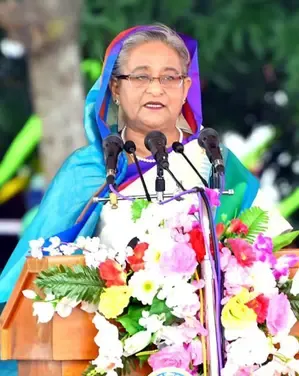
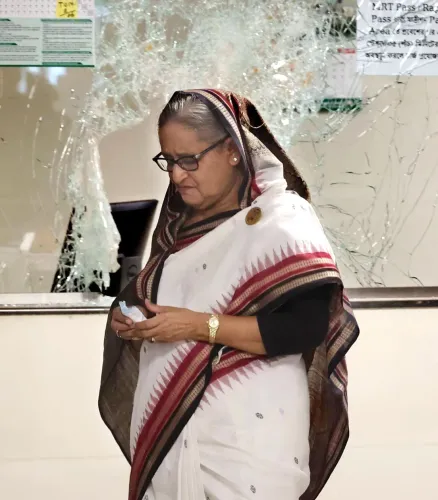
Bangladesh's former Prime Minister Sheikh Hasina on Wednesday, 22 July alleged that the country has entered a 'dangerous phase' following the July-August 2024 political upheaval, claiming the elected Awami League government was toppled through what she described as a 'meticulously designed operation' orchestrated by former interim government chief adviser Muhammad Yunus under the cover of quota reform protests.
Key Allegations at International Dialogue
Hasina made the remarks while addressing an international strategic dialogue titled 'Reinventing Bangladesh: A World Crisis to Overcome'. She alleged that violent extremists were not merely participants in the 2024 protests but also organisers and beneficiaries, claiming their stated strategy was to 'create dead bodies, create outrage, and the government will fall.'
She accused interim government chief Yunus, current Bangladesh Prime Minister Tarique Rahman, and radical Islamist party Jamaat-e-Islami of jointly pursuing the demonstrations with that objective, characterising the unrest as a coordinated political conspiracy rather than a spontaneous student movement.
Collapse of Law Enforcement and Militant Releases
According to Hasina, 460 police stations were burned down during the upheaval, triggering a widespread collapse in law enforcement. She alleged that police personnel were 'brutally murdered and hanged from over-bridges', prisons were stormed, and convicted militants were released — including, she claimed, leaders of banned organisations such as Ansarullah Bangla Team, Hizb ut Tahrir, Harkat ul Jihad, and Jamaat ul Mujahideen Bangladesh.
Notably, this is the first time Hasina has publicly catalogued the militant releases in such specific detail at an international forum, lending the allegations a new level of institutional weight even as they remain unverified by independent sources.
Attacks on Minorities and Judiciary
Hasina further alleged that religious institutions belonging to Hindus, Christians, Buddhists, Ahmaddiyas, and Sufi communities, along with socio-cultural organisations, were attacked and destroyed. 'This was an assault on the historic religious harmony of Bangladesh,' she said.
She also claimed that a former Chief Justice of Bangladesh was implicated in 'false cases', handcuffed, and imprisoned, while several judges were allegedly attacked with 'machetes, Chinese axes, sticks and firearms' before being compelled to resign — allegations that, if substantiated, would represent a serious rupture in judicial independence.
Economic and Humanitarian Fallout
On the economic front, Hasina asserted that gains achieved under her administration had been reversed since August 2024, with poverty rising and public security deteriorating. She stated that 'hundreds of children died because they couldn't get their vaccine', pointing to what she described as a breakdown in basic public health delivery.
She also alleged that lawyers, journalists, cultural activists, and Awami League members had been 'beaten to death, hacked with sharp weapons, arrested, tortured', and that women and girls had been raped and killed, painting a picture of systematic violence against political opponents and civilians alike.
What Comes Next
Hasina's address at an international forum signals a broader effort by the exiled former leader to build global pressure on the current Dhaka administration. Whether these allegations prompt any formal international scrutiny of the Yunus-led interim government or the Tarique Rahman administration remains to be seen. Independent verification of the specific claims — particularly around militant releases and judicial attacks — will be critical to how the international community responds.
Point of View
Judicial attacks, and minority persecution in one sweeping narrative, she is building a case for international delegitimisation of the Dhaka government. Yet the allegations remain largely unverified, and her own tenure was not without serious democratic controversies. The more consequential question is whether any multilateral body or major power will treat this as grounds for formal scrutiny — or whether it remains one exiled leader's account of events. Bangladesh's trajectory since August 2024 deserves independent investigation; Hasina's testimony, however, is a party submission, not a verdict.
NationPress
21 Oct 2026
Frequently Asked Questions
What did Sheikh Hasina allege about Bangladesh's 2024 political upheaval?
Sheikh Hasina alleged that the July-August 2024 protests were not a spontaneous student movement but a 'meticulously designed operation' orchestrated by Muhammad Yunus, current PM Tarique Rahman, and Jamaat-e-Islami to overthrow her elected Awami League government. She made these claims at an international strategic dialogue on 22 July.
What did Hasina claim happened to law enforcement and militants after the 2024 unrest?
Hasina alleged that 460 police stations were burned down, police personnel were murdered, and prisons were attacked, allowing convicted militants from banned groups including Ansarullah Bangla Team and Jamaat ul Mujahideen Bangladesh to escape or be released. These claims have not been independently verified.
What allegations did Hasina make about attacks on minorities in Bangladesh?
Hasina alleged that religious institutions of Hindus, Christians, Buddhists, Ahmaddiyas, and Sufi communities were attacked and destroyed during the 2024 upheaval, calling it 'an assault on the historic religious harmony of Bangladesh.' She also alleged violence against individuals from these communities.
What did Hasina say about Bangladesh's judiciary after August 2024?
Hasina claimed a former Chief Justice was implicated in 'false cases', handcuffed, and imprisoned, while other judges were allegedly attacked with machetes and firearms before being forced to resign — allegations that, if verified, would indicate a serious breakdown in judicial independence.
Why is Hasina speaking at international forums about Bangladesh?
Hasina's address at the international strategic dialogue titled 'Reinventing Bangladesh: A World Crisis to Overcome' appears to be part of a broader effort by the exiled former leader to build global awareness and pressure regarding the political and humanitarian situation in Bangladesh under the current administration.