CM Dhami's Jan-Jan Campaign Reaches 6.30 Lakh in Two Phases
Synopsis
Uttarakhand CM Pushkar Singh Dhami announced on Independence Day that his 'Jan-Jan Ki Sarkar, Jan-Jan Ke Dwar' public outreach campaign reached over 6.30 lakh citizens in two phases, resolving large numbers of grievances, with a third phase to follow soon.
Key Takeaways
Over 6.30 lakh citizens participated across both phases of the 'Jan-Jan Ki Sarkar, Jan-Jan Ke Dwar' campaign in Uttarakhand.
The drive focuses on doorstep delivery of government services and direct grievance resolution by district officials.
CM Pushkar Singh Dhami announced the third phase will be held 'very soon,' with public service stated as the core priority.
The announcement was made on Independence Day, August 15, 2026 , amplifying its political visibility.
The campaign fits a broader BJP-state pattern of phased citizen-outreach programs as a last-mile governance tool.
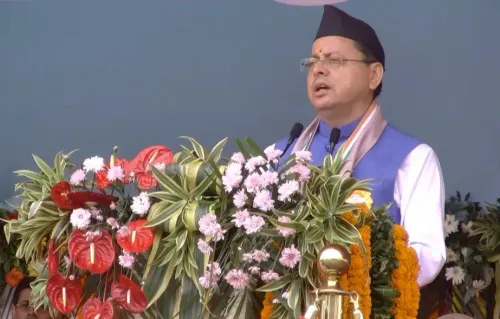
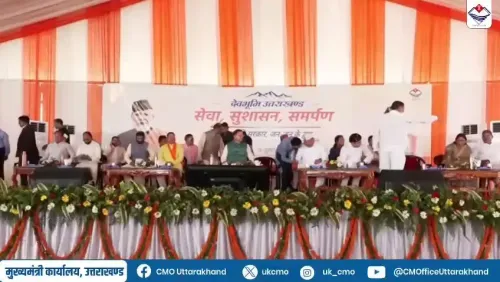
A government that walks to your door — that is the promise Uttarakhand Chief Minister Pushkar Singh Dhami is doubling down on, announcing on Saturday, August 15, 2026 that his flagship public outreach drive has already touched over 6.30 lakh citizens across its first two phases, with a third phase in the pipeline.
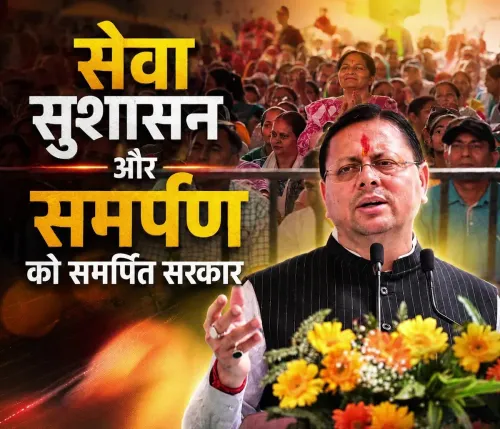
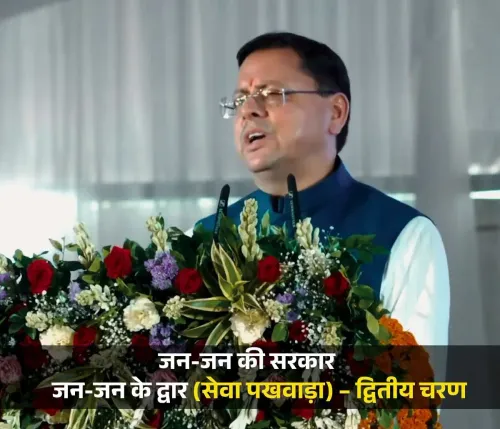
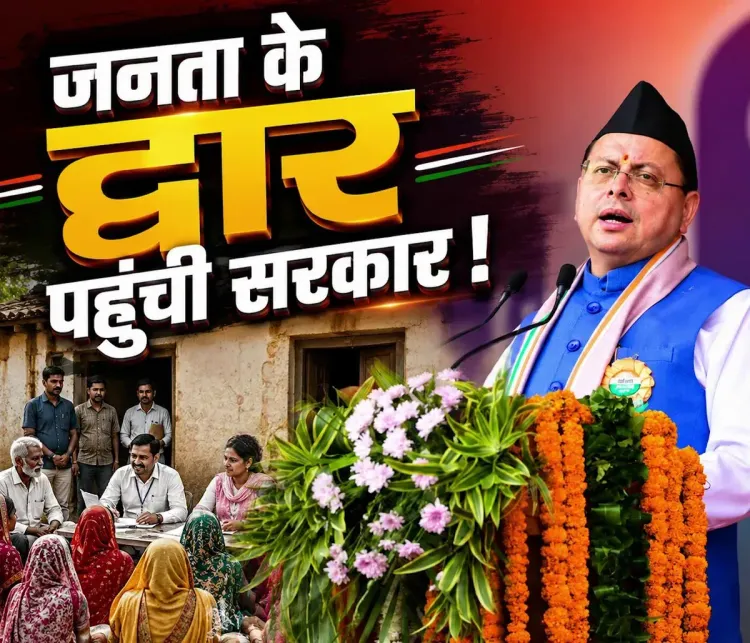
Posting on X, CM Dhami said the 'जन-जन की सरकार, जन-जन के द्वार' ('A government for every person, at the doorstep of every person') campaign had seen mass participation and resolved a significant volume of public grievances in both completed phases. 'Public service remains the priority,' he wrote, adding that the third phase would be organised 'very soon.'
What the 'Jan-Jan Ke Dwar' Drive Actually Does
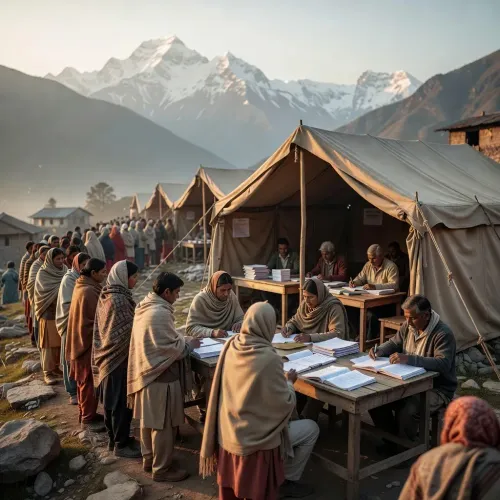
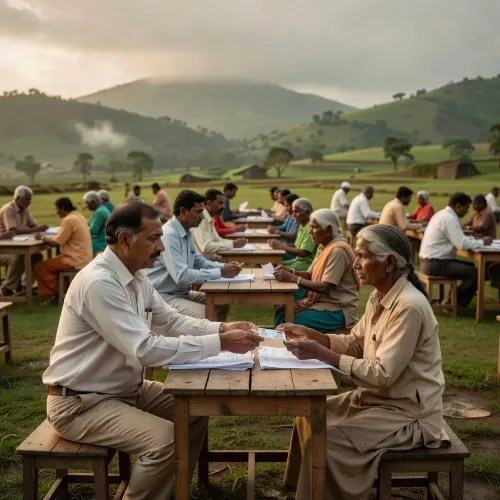
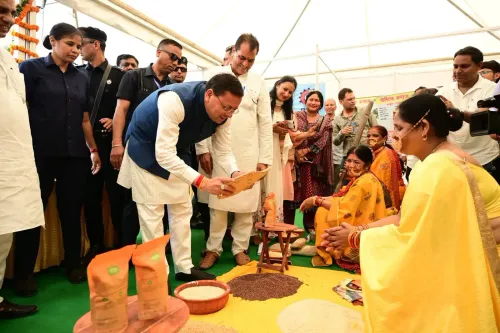
The campaign is Uttarakhand's structured attempt to bring government services and problem resolution directly to citizens — bypassing the bureaucratic maze that residents of the state's remote hill districts often face. District officials fan out to conduct on-the-spot redressal, register complaints, and deliver entitlements without requiring people to travel to administrative offices.
The model draws on a long tradition of jan darbars — public courts where officials hear grievances in person — but packages it as a phased, scalable campaign with measurable participation. For a Himalayan state where geography routinely separates villages from district headquarters by hours of mountain roads, the accessibility angle carries real weight.
Dhami's Governance Bet Since 2021
Pushkar Singh Dhami became Chief Minister in 2021 with people-centric administration as his stated core. Direct citizen interaction — through drives like this one, helplines, and field visits — has been a consistent thread in how his government projects itself. The 'Jan-Jan Ki Sarkar' campaign is among the more visible expressions of that approach, designed to generate both tangible grievance resolution and a visible signal that the administration is listening.
Across BJP-governed states, such phased outreach programs have become a standard governance toolkit, used to demonstrate last-mile delivery and build ground-level goodwill ahead of electoral cycles. The announcement of a third phase — on Independence Day, no less — sharpens that signal considerably.
With two phases behind it and a third promised 'very soon,' the real test now is whether the volume of problems resolved keeps pace with the volume of citizens turning up.
Point of View
Branded outreach drives that serve both an administrative function and a political one, keeping the government visible at the grassroots between elections. For Uttarakhand specifically, where terrain limits state-citizen contact, doorstep service delivery carries more operational urgency than in plains states. The third-phase announcement sustains momentum without committing to a specific date — a deliberate hedge that keeps the narrative open.
NationPress
30 Sept 2026
Frequently Asked Questions
What is the 'Jan-Jan Ki Sarkar, Jan-Jan Ke Dwar' campaign in Uttarakhand?
It is a multi-phase public outreach drive launched by the Uttarakhand government under CM Pushkar Singh Dhami to bring government services and grievance redressal directly to citizens' doorsteps, particularly in remote areas.
How many people participated in the Jan-Jan Ke Dwar campaign?
According to CM Dhami's post on August 15, 2026, over 6.30 lakh people participated across the campaign's first two phases.
When will the third phase of the Jan-Jan Ke Dwar campaign be held?
CM Dhami announced on August 15, 2026 that the third phase will be organised 'very soon,' though a specific date or venue has not been confirmed.
What does the Uttarakhand government's Jan-Jan outreach campaign actually do?
District officials conduct on-the-spot grievance registration and resolution, deliver government entitlements, and engage citizens directly — bypassing the need for people to visit administrative offices, which is especially significant in Uttarakhand's hilly terrain.
Is Pushkar Singh Dhami's Jan-Jan campaign unique to Uttarakhand?
The format is not unique — phased citizen-outreach drives and jan darbars are used across several BJP-governed states — but the campaign's scale and branding are specific to Uttarakhand under Dhami's administration.