CM Dhami's Outreach Drive Crosses 6.5 Lakh Mark in Uttarakhand
Synopsis
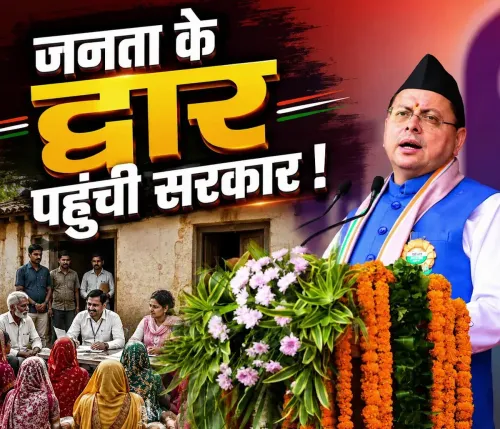
Uttarakhand's 'Jan Jan ki Sarkar — Jan Jan ke Dwar' campaign has surpassed 6.5 lakh total participants across two phases. Phase Two alone logged 1.34 lakh attendees, 198 camps, and resolved over 20,800 grievances on the spot, delivering free pensions, Ayushman cards, and certificates under CM Pushkar Singh Dhami's directive.
Key Takeaways
6.5 lakh+ total citizens have participated in the 'Jan Jan ki Sarkar — Jan Jan ke Dwar' campaign across both phases.
Phase Two (since 4 July 2026 ) held 198 camps with 1,34,740 participants despite the monsoon season.
20,808 out of 23,219 grievances received in Phase Two were resolved on the spot — roughly a 90 per cent same-day disposal rate.
81,753 participants in Phase Two received benefits under various government welfare schemes.
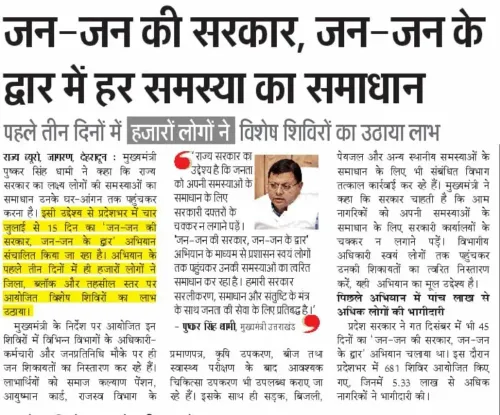
Phase One (December 2025) ran 681 camps , reached 5,33,452 citizens , and resolved approximately 33,000 complaints .
Free services include Ayushman health cards, social welfare pensions, medical and agricultural equipment, and government certificates issued at the camp venue.
More than 6.5 lakh Uttarakhand residents have now walked into a government camp and walked out with a resolved grievance or a welfare benefit in hand — a milestone the Chief Minister's Office of Uttarakhand announced on Sunday, 2 August 2026, as the state's flagship outreach programme gathered fresh momentum through the monsoon season.
What Phase Two Has Delivered So Far
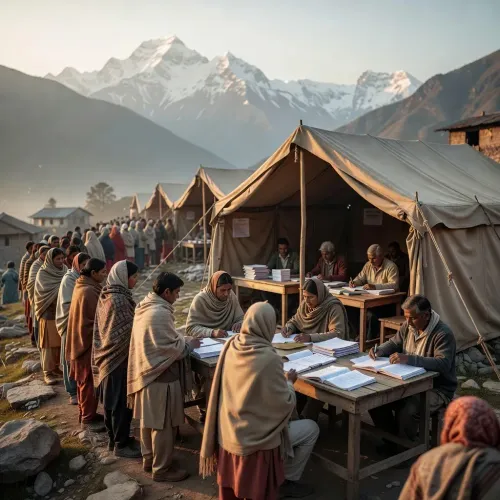
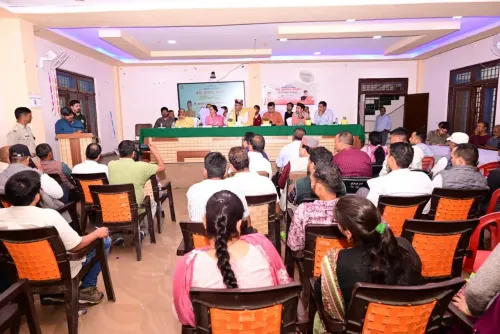
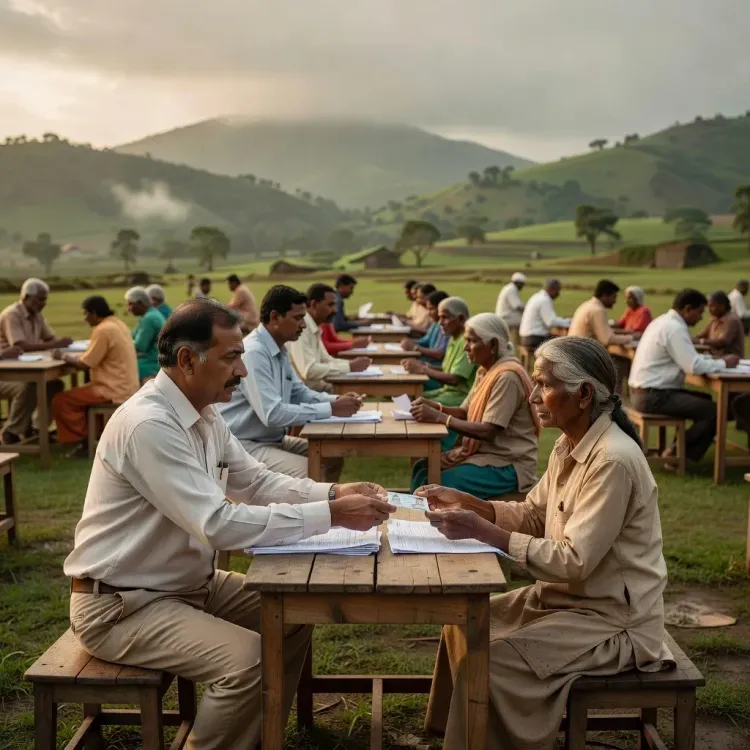
The second phase of the 'Jan Jan ki Sarkar — Jan Jan ke Dwar' ('Government for Every Person — At Every Person's Door') campaign launched on 4 July 2026 and has already held 198 camps across the state, drawing 1,34,740 participants despite the ongoing monsoon. Of the 23,219 public complaints received during these camps, 20,808 were resolved on the spot — a same-day disposal rate of roughly 90 per cent. A further 81,753 participants were enrolled in or received benefits under various welfare schemes.
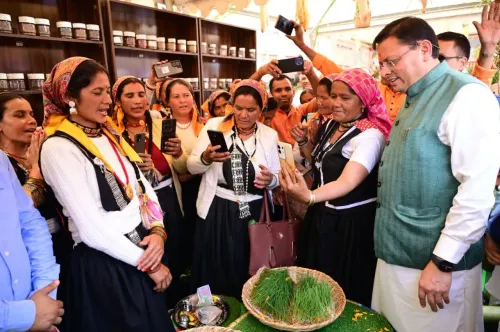
Services distributed at the camps include Samaj Kalyan (social welfare) pensions, Ayushman Bharat health cards, medical equipment, agricultural tools, and a range of government certificates — all issued free of charge at the venue itself.
Phase One Set the Benchmark
The current drive builds on a 45-day first phase that began in December 2025 and ran 681 camps attended by 5,33,452 citizens. That phase resolved approximately 33,000 grievances and was cited as a best-practice model in governance circles. Combined, the two phases now account for over 6.5 lakh direct participants and a cumulative grievance-resolution effort that spans every district, block, and tehsil in the state.
The Logic Behind Taking Government to People's Doorsteps
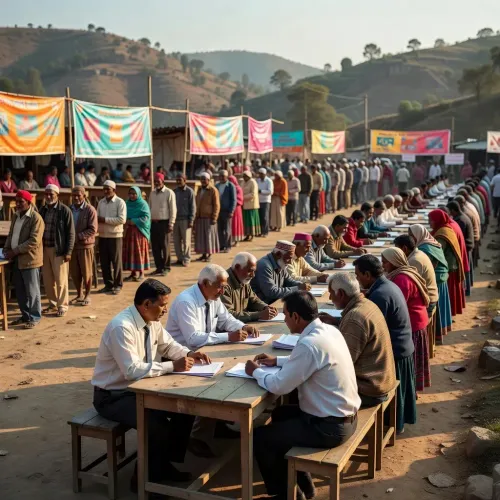
Chief Minister Pushkar Singh Dhami has consistently pushed a single idea: citizens in Uttarakhand's hilly terrain should not have to make repeated trips to government offices to get what they are entitled to. Instead, departmental officers and staff travel to the community, set up camp in the presence of elected representatives, and dispose of complaints on the spot.
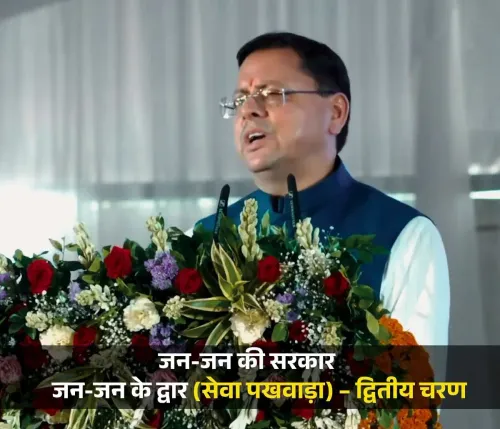
Dhami framed the programme's philosophy plainly: 'Sarlikaran, samadhan aur jansantushti' — simplification, resolution, and public satisfaction — as the three commitments driving his administration. The presence of local elected representatives at each camp is designed to add accountability and signal that the exercise is not a one-off bureaucratic event.
Uttarakhand's geography makes the model particularly consequential. Remote villages in the Garhwal and Kumaon hills are far from district headquarters; a single camp that delivers a pension card, a health card, and a caste certificate simultaneously removes what would otherwise be months of travel and paperwork for a family with no reliable transport.
A Pattern Spreading Across Indian States
Camp-based outreach is not unique to Uttarakhand, but the state's scale and the structured two-phase design set it apart. Several Indian state governments have experimented with similar 'government at your doorstep' formats, particularly for last-mile delivery of central schemes like Ayushman Bharat and PM Kisan. What distinguishes this campaign is the explicit grievance-disposal mandate alongside scheme enrolment — turning the camp into both a service counter and a mini-tribunal.
The question the second phase will eventually answer is whether these numbers translate into durable satisfaction or whether unresolved systemic issues resurface once the camps pack up. The completion metrics of Phase Two, and any decision to make recurring camps a permanent feature of Uttarakhand's governance calendar, will be the real test of the model's staying power.
Point of View
If sustained, could pressure opposition parties to engage on delivery rather than intent. The broader question is whether the model gets embedded into routine governance or remains a campaign-period instrument.
NationPress
16 Sept 2026
Frequently Asked Questions
What is the 'Jan Jan ki Sarkar — Jan Jan ke Dwar' programme in Uttarakhand?
It is an outreach campaign run by the Uttarakhand government under CM Pushkar Singh Dhami that sets up camps at district, block, and tehsil levels to resolve public grievances on the spot and deliver welfare scheme benefits — such as Ayushman health cards, social welfare pensions, agricultural tools, and government certificates — free of charge, without requiring citizens to visit government offices.
How many people have participated in the Jan Jan ke Dwar campaign so far?
As of 2 August 2026, total participation across both phases has crossed 6.5 lakh. Phase One (December 2025) saw 5,33,452 participants across 681 camps, while Phase Two (starting 4 July 2026) has added 1,34,740 participants across 198 camps.
How many complaints were resolved in Phase Two of the campaign?
Of the 23,219 public complaints received during Phase Two camps, 20,808 were resolved on the spot — a same-day disposal rate of approximately 90 per cent.
What benefits are distributed at the Jan Jan ke Dwar camps?
Camps provide Ayushman Bharat health cards, social welfare pensions, medical equipment, agricultural tools, and various government certificates, all free of charge and issued at the venue itself.
When did Phase Two of the Jan Jan ke Dwar campaign begin?
Phase Two began on 4 July 2026 and has been running through the monsoon season, with 198 camps held across Uttarakhand's districts, blocks, and tehsils as of early August 2026.