CM Dhami Pushes Doorstep Governance via Jan-Jan Ke Dwar
Synopsis
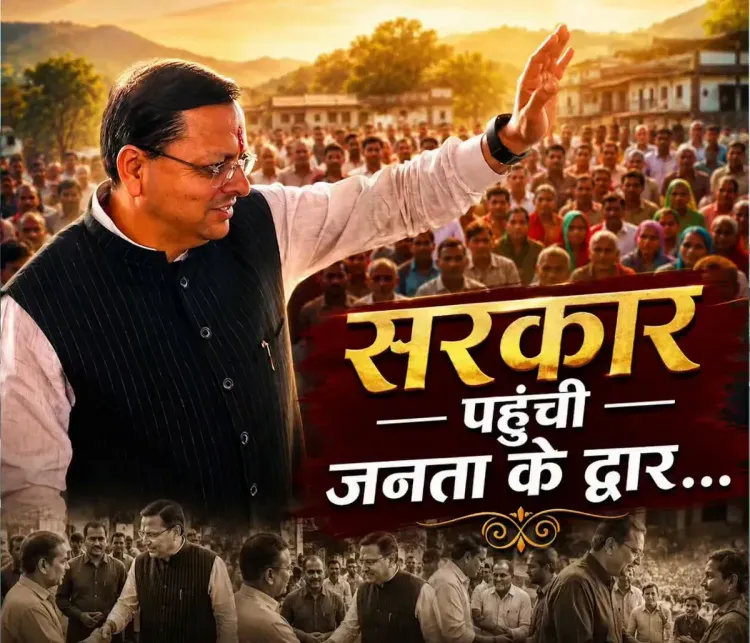
Uttarakhand Chief Minister Pushkar Singh Dhami on 13 July 2026 spotlighted the 'Jan-Jan Ki Sarkar, Jan-Jan Ke Dwar' campaign, which takes government officials directly to citizens for single-window welfare enrolment and grievance redressal, reinforcing the BJP's last-mile delivery agenda.
Key Takeaways
CM Pushkar Singh Dhami publicly championed the 'Jan-Jan Ki Sarkar, Jan-Jan Ke Dwar' campaign on 13 July 2026 via X.
The campaign sends government teams to citizens' doorsteps for grievance redressal and welfare scheme enrolment at a single location.
The initiative is rooted in the national Direct Benefit Transfer (DBT) framework introduced in 2013 to reduce leakage and improve last-mile delivery.
Primary beneficiaries are rural and remote households across Uttarakhand , where hilly terrain makes access to government offices difficult.
The post tagged PM Narendra Modi , Amit Shah , and Rajnath Singh , positioning the state drive within the national governance narrative.
District-wise rollout data and possible integration with central citizen-service platforms will be key indicators of the campaign's scale and impact.
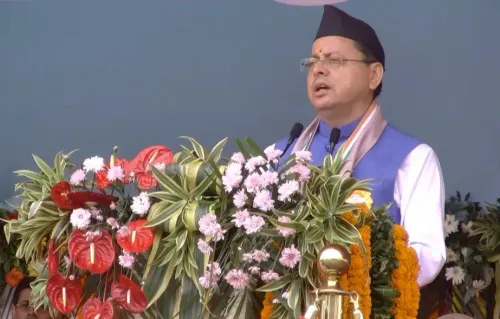
Uttarakhand Chief Minister Pushkar Singh Dhami on Monday, 13 July 2026, took to X to highlight the state government's 'Jan-Jan Ki Sarkar, Jan-Jan Ke Dwar' campaign, describing it as the practical expression of his administration's commitment to delivering welfare benefits directly to the last person in the chain.
Context
In the post, Chief Minister Dhami wrote: 'Sarkar ka uddeshya keval yojanaen banana nahin, balki unka labh antim vyakti tak pahunchana hai' — 'The government's goal is not merely to create schemes, but to ensure their benefits reach the last individual.' He described the 'Jan-Jan Ki Sarkar, Jan-Jan Ke Dwar' campaign as the vehicle translating that intent into action, with the government itself reaching citizens rather than waiting for them to navigate bureaucratic channels.
The post tagged Prime Minister Narendra Modi, Union Ministers Amit Shah and Rajnath Singh, and the BJP's national and state handles, signalling that the Uttarakhand initiative is being positioned within the broader national governance conversation.
Policy Backdrop
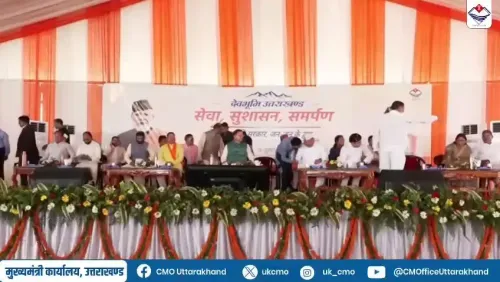
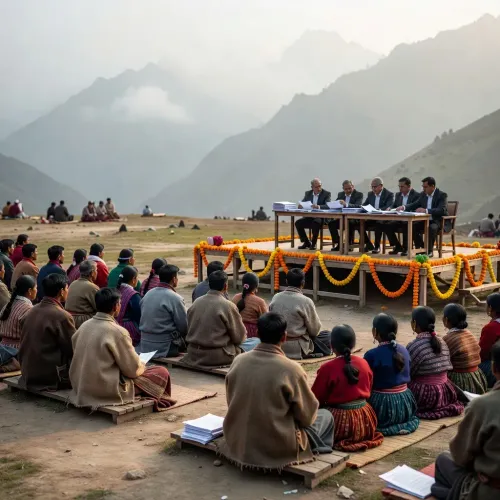
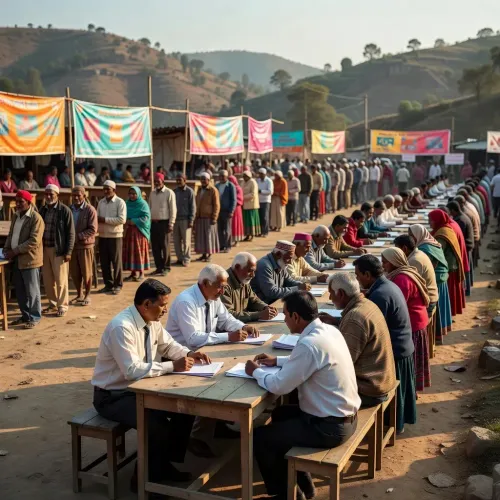
The 'Jan-Jan Ki Sarkar, Jan-Jan Ke Dwar' campaign is a Uttarakhand state-level outreach drive designed to bring government officials to citizens' doorsteps for grievance redressal and on-the-spot enrolment into welfare schemes. The model consolidates multiple scheme benefits at a single location, reducing the burden on rural and remote households that would otherwise need to visit multiple offices.
The initiative draws on a policy lineage that includes the Direct Benefit Transfer (DBT) mechanism introduced in 2013 at the national level, which was designed to route welfare funds directly to beneficiaries and cut leakage. Uttarakhand's hilly and dispersed geography makes last-mile delivery a persistent administrative challenge, lending particular urgency to doorstep-service models. The campaign is also consistent with national frameworks such as Digital India and integrated citizen-service platforms.
Stakeholders and Impact
Rural households and welfare beneficiaries across Uttarakhand are the primary audience for the campaign. For residents of remote hill districts, a single-window outreach event can mean access to schemes ranging from agricultural support and health coverage to housing and pension entitlements — without travelling long distances to district headquarters.
CM Dhami framed the campaign's deeper purpose as rebuilding trust between the state and its citizens: the post noted that delivering services in this manner 'strengthens the bond of trust between the administration and the public.' For the ruling BJP, demonstrable last-mile delivery also carries political weight ahead of future electoral cycles in the state.
What's Next
Observers will watch for district-wise rollout data and coverage reports as the campaign scales across Uttarakhand's 13 districts. Potential integration with central platforms and state-level service-delivery applications could extend the campaign's reach and allow real-time tracking of beneficiary enrolment. The broader question is whether the outreach model produces measurable improvements in scheme uptake — a metric that will determine whether Uttarakhand offers a replicable template for other BJP-governed states pursuing similar citizen-centric governance goals.
Point of View
Amplified by tagging the Prime Minister and senior Union Ministers. The 'Jan-Jan Ke Dwar' model is consistent with a pattern across BJP-governed states of converting administrative activity into visible, citizen-facing governance — particularly valuable in a geographically challenging state like Uttarakhand where service access has historically lagged. The emphasis on consolidating multiple scheme benefits at a single location echoes the logic of DBT and single-window systems that have been central to the Centre's welfare architecture since 2013. Whether the campaign translates into verifiable improvements in scheme uptake will determine if it becomes a replicable model or remains a communication exercise.
NationPress
12 Oct 2026
Frequently Asked Questions
What is the 'Jan-Jan Ki Sarkar, Jan-Jan Ke Dwar' campaign in Uttarakhand?
It is an Uttarakhand state government outreach campaign under Chief Minister Pushkar Singh Dhami that deploys government teams directly to citizens for single-window welfare scheme enrolment and on-the-spot grievance redressal, rather than requiring people to visit government offices.
What did CM Dhami say about the campaign on X?
On 13 July 2026, CM Dhami posted that the government's goal is not merely to create schemes but to ensure benefits reach the last individual, describing the 'Jan-Jan Ki Sarkar, Jan-Jan Ke Dwar' campaign as the practical realisation of that commitment.
Who are the main beneficiaries of the Jan-Jan Ke Dwar campaign?
Rural households and welfare beneficiaries across Uttarakhand, especially those in remote hill districts where travelling to district offices is difficult, are the primary target group.
How does the Uttarakhand campaign connect to national welfare policy?
The campaign builds on the Direct Benefit Transfer framework introduced nationally in 2013 and aligns with Digital India's citizen-service delivery goals, with CM Dhami tagging PM Modi and senior Union Ministers to highlight that connection.
What will indicate whether the Jan-Jan Ke Dwar campaign is successful?
District-wise beneficiary enrolment data, grievance resolution rates, and potential integration with central platforms like UMANG or state service-delivery apps will be key metrics to watch as the campaign scales across Uttarakhand's 13 districts.