EU coordinates hantavirus response as ECDC rates risk 'very low'
Synopsis
A hantavirus outbreak linked to a cruise ship off Tenerife triggered the EU Civil Protection Mechanism for the first time in a disease-response context, mobilising six repatriation flights across five countries. Despite the dramatic evacuation, the ECDC rates the risk to Europe's general population as very low — but the episode is a stress test for the EU's cross-border health coordination architecture.
Key Takeaways
The European Commission is coordinating the hantavirus response after Spain activated the EU Civil Protection Mechanism on 6 May 2025 .
The ECDC assesses the risk to the general European population as very low .
Six repatriation flights were completed from Tenerife , involving France , Spain , the Netherlands , Greece , and Ireland .
A medical evacuation aircraft and a liaison officer have been pre-positioned in Tenerife from EU strategic reserves.
Hantavirus has no specific cure ; early supportive care focused on respiratory, cardiac, and kidney complications is the key treatment approach.
The EU is coordinating with WHO and G7 partners on the outbreak response.
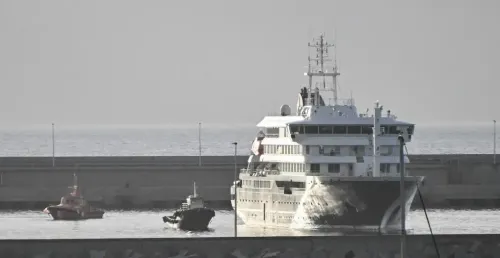
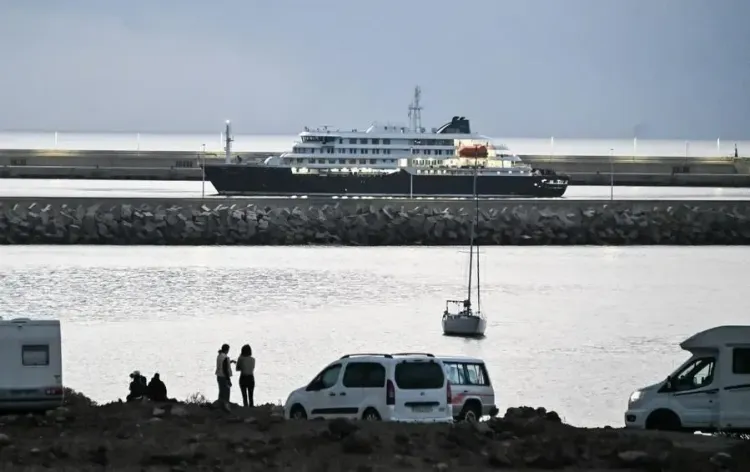
The European Commission is coordinating and supporting national authorities in their response to a hantavirus outbreak linked to the MV Hondius cruise ship, anchored off Tenerife, Spain. The European Centre for Disease Prevention and Control (ECDC) has assessed the risk to the general population in Europe as very low, even as evacuation and containment operations continue.
Evacuation Operations Under Way
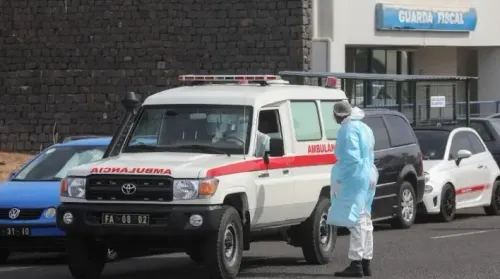
Since Spain activated the EU Civil Protection Mechanism on 6 May, the EU Emergency Response Coordination Centre has been facilitating the safe evacuation of passengers aboard the vessel. A total of six repatriation flights were coordinated by the EU — five of which took place on Sunday, carried out by France, Spain, the Netherlands, Greece, and Ireland. A sixth and final flight, operated by the Netherlands, departed on Monday, according to the Commission.
EU Resources Pre-Positioned in Tenerife
The EU is mobilising response capabilities and stockpiles from its strategic reserve. A medical evacuation aircraft from the EU fleet, hosted by Norway, has been pre-positioned in Tenerife, while additional transport, logistics capacities, and protective equipment remain ready for deployment if needed. The Emergency Response Coordination Centre has also deployed a liaison officer to Tenerife to support on-site coordination with relevant authorities.
Notably, the ECDC deployed two experts from the EU Health Task Force to the ship before passengers disembarked — an early intervention aimed at assessing exposure risk and advising on containment protocols.
What the EU and Global Partners Are Doing
The EU is working closely with member states, countries participating in the Civil Protection Mechanism, the World Health Organization (WHO), and G7 partners in managing the outbreak. Commissioner for Equality, Preparedness and Crisis Management Hadja Lahbib underscored the importance of cross-border coordination, saying that health threats can easily cross borders and that coordination is therefore essential.
What Is Hantavirus and How Does It Spread
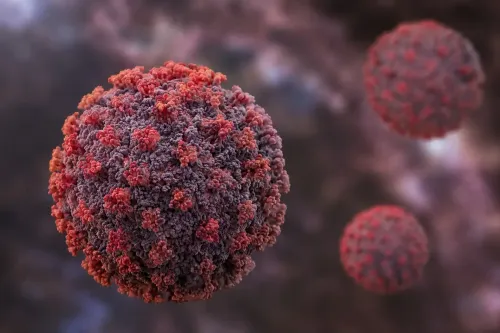
According to the WHO, hantaviruses are zoonotic viruses that naturally infect rodents and are occasionally transmitted to humans, sometimes causing severe illness and death. In Europe and Asia, hantavirus infection is known to cause haemorrhagic fever with renal syndrome (HFRS), which primarily affects the kidneys and blood vessels. In the Americas, the virus can lead to hantavirus cardiopulmonary syndrome (HCPS), a rapidly progressive condition affecting the lungs and heart.
Transmission occurs through contact with contaminated urine, droppings, or saliva of infected rodents, and less commonly through rodent bites. High-risk activities include cleaning poorly ventilated spaces, farming, forestry work, and sleeping in rodent-infested dwellings. There is currently no specific cure for hantavirus disease; early supportive medical care focused on respiratory, cardiac, and kidney management remains the primary approach to improving survival outcomes.
What Comes Next
With the final repatriation flight completed, attention will shift to monitoring repatriated passengers for symptoms and assessing whether the outbreak remains contained to the ship environment. The ECDC's continued risk assessment and WHO coordination will be critical in determining whether any further public health measures are warranted across Europe.
Point of View
And whether port-of-call biosecurity protocols are adequate for zoonotic risk. The ECDC's 'very low' risk rating is reassuring, but it should not obscure the structural gap: Europe has no standing rapid-response treatment for hantavirus, and the absence of a specific cure means that any future outbreak with wider community spread would rely entirely on supportive care capacity — which varies sharply across member states.
NationPress
12 May 2026
Frequently Asked Questions
What is the hantavirus outbreak linked to the MV Hondius cruise ship?
A hantavirus outbreak was detected among passengers or crew aboard the MV Hondius cruise ship, which was anchored off Tenerife, Spain. Spain activated the EU Civil Protection Mechanism on 6 May 2025, prompting a coordinated EU evacuation and response operation.
What is the current risk of hantavirus to the general public in Europe?
The European Centre for Disease Prevention and Control (ECDC) has assessed the risk to the general population in Europe as very low. The outbreak appears to be linked to the cruise ship environment rather than community transmission.
How does hantavirus spread and what are its symptoms?
Hantavirus spreads through contact with the urine, droppings, or saliva of infected rodents, and less commonly through rodent bites. In Europe, it can cause haemorrhagic fever with renal syndrome (HFRS), affecting the kidneys and blood vessels, while in the Americas it causes hantavirus cardiopulmonary syndrome (HCPS), affecting the lungs and heart.
Is there a treatment or cure for hantavirus?
There is currently no specific cure for hantavirus disease. Treatment focuses on early supportive medical care, including close monitoring and management of respiratory, cardiac, and kidney complications, which is key to improving survival outcomes.
What steps has the EU taken in response to the outbreak?
The EU Emergency Response Coordination Centre has coordinated six repatriation flights, pre-positioned a medical evacuation aircraft in Tenerife, deployed a liaison officer on-site, and mobilised stockpiles from its strategic reserve. The ECDC also deployed two experts from the EU Health Task Force to the ship before passengers disembarked.