Hantavirus outbreak: Dutch hospital quarantines 12 staff after MV Hondius protocol breach

Synopsis
A Dutch hospital quarantined 12 staff after hantavirus biosafety protocols were breached, while Spain confirmed a preliminary positive case among cruise ship evacuees — signalling the MV Hondius outbreak is now a multi-country health event driven by the Andes strain, one of the few hantavirus variants capable of person-to-person transmission.
Key Takeaways
Radboudumc placed 12 employees in preventive quarantine for six weeks after incorrect blood-processing and urine-disposal procedures were followed for a hantavirus patient.
The infected patient was admitted on Thursday after being evacuated from the cruise ship MV Hondius .
Spanish Health Minister Monica Garcia confirmed one of 14 Spanish evacuees tested preliminarily positive for hantavirus at Madrid's Gomez Ulla hospital .
The outbreak is believed to involve the Andes strain , a hantavirus variant capable of person-to-person transmission through close contact.
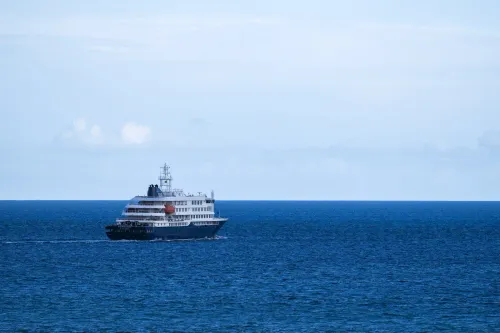
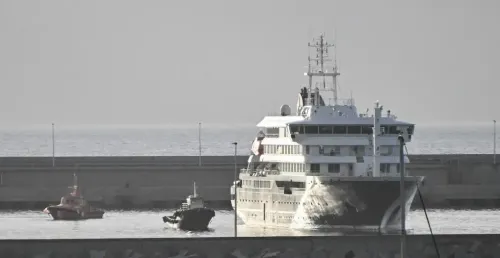
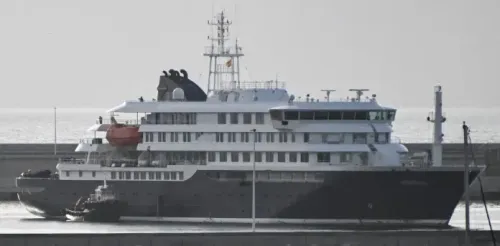
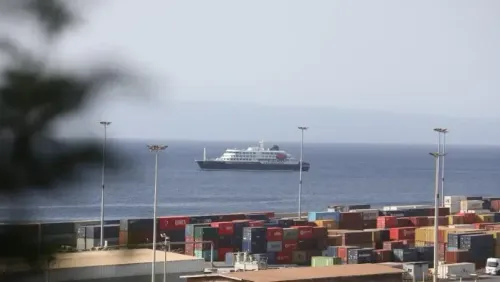
The MV Hondius departed Tenerife for Rotterdam after the final evacuees disembarked at the Port of Granadilla .
Radboud University Medical Center (Radboudumc) in the Netherlands has placed 12 employees in preventive quarantine for six weeks after incorrect procedures were followed while caring for a hantavirus-infected patient evacuated from the cruise ship MV Hondius. The hospital confirmed the development on Monday, 12 May, as the outbreak continues to expand across multiple countries.
What Went Wrong at Radboudumc
The procedural lapse involved the drawing and processing of blood samples from the infected patient, as well as the disposal of the patient's urine. Radboudumc said in a statement that the blood was processed according to standard procedure, when the nature of the virus required a stricter protocol. It was not until Saturday that it became clear the latest international guidelines for urine disposal had also not been followed.
Bertine Lahuis, Chair of the Executive Board of Radboudumc, acknowledged the burden placed on those affected. "Although the risk of actual infection is very low, these measures have a significant impact on everyone involved," she said. The hospital had admitted the hantavirus-infected patient on Thursday following the individual's evacuation from the MV Hondius.
Spain Reports Preliminary Positive Case
Spanish Health Minister Monica Garcia announced on Monday that one of the 14 Spanish evacuees from the MV Hondius had tested preliminarily positive for hantavirus in a PCR test conducted upon arrival. The patient is currently under isolation at Madrid's Gomez Ulla hospital.
Garcia, in a post on X, stated that the person "remains in isolation, without symptoms and in general good health, under continued clinical observation in accordance with established safety and epidemiological protocols." The remaining 13 Spanish passengers tested provisionally negative, with final results expected within hours of the announcement.
The Spanish evacuees were transferred to Madrid as part of an evacuation operation after the MV Hondius arrived at Spain's Canary Islands over the weekend. The final group of evacuees left the vessel on Monday after it briefly docked at the Port of Granadilla on the island of Tenerife due to adverse weather conditions. The ship subsequently departed for Rotterdam.
The Andes Strain and Why It Matters
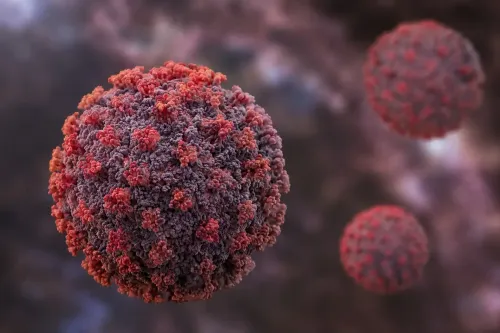
Health authorities and the World Health Organization (WHO) believe the outbreak involves the Andes strain of hantavirus — a variant notable for its capacity for person-to-person transmission through close contact. This distinguishes it from most other hantavirus strains, which are typically transmitted through exposure to infected rodent urine or droppings and do not spread between humans.
Multiple confirmed and suspected cases have now been linked to the outbreak, with passengers transferred to several countries for treatment and monitoring. The cross-border spread underscores the complexity of managing an outbreak aboard an international cruise vessel.
What Happens Next
The 12 quarantined Radboudumc staff will remain under observation for the full six-week period. Authorities across affected countries are expected to coordinate on epidemiological tracing as the MV Hondius makes its way to Rotterdam. The WHO and national health bodies are monitoring the situation closely, given the Andes strain's unusual transmission profile.
Point of View
Not merely individual negligence. More critically, the Andes strain's person-to-person transmission potential transforms this from a contained shipboard cluster into a genuine cross-border public health event. The WHO and European health agencies will need to move quickly on contact tracing before the MV Hondius reaches Rotterdam and potentially widens the exposure chain further.
NationPress
23 Sept 2026
Frequently Asked Questions
Why were 12 Radboudumc staff placed in quarantine?
Twelve employees at Radboud University Medical Center were placed in preventive quarantine for six weeks after incorrect procedures were followed when handling blood samples and disposing of urine from a hantavirus-infected patient. The hospital said the blood was processed under standard protocol when a stricter procedure was required given the nature of the virus.
What is the Andes strain of hantavirus and why is it concerning?
The Andes strain is a variant of hantavirus believed to be capable of person-to-person transmission through close contact, unlike most hantavirus strains which spread only through contact with infected rodent urine or droppings. The WHO and health authorities have identified this strain as the likely cause of the MV Hondius outbreak.
What is the current status of the Spanish evacuees from MV Hondius?
One of 14 Spanish evacuees from the MV Hondius tested preliminarily positive for hantavirus in a PCR test at Madrid's Gomez Ulla hospital, according to Spanish Health Minister Monica Garcia. The patient is in isolation, without symptoms, and in good general health; the remaining 13 tested provisionally negative.
Where is the MV Hondius now?
The MV Hondius departed the Port of Granadilla in Tenerife, Spain, after the final group of evacuees disembarked on Monday. The vessel is heading to Rotterdam in the Netherlands.
How is hantavirus typically transmitted?
Hantavirus is typically transmitted through exposure to infected rodent urine, droppings, or saliva. However, the Andes strain identified in this outbreak is unusual in that it can also spread through close person-to-person contact, making containment more complex.