MV Hondius hantavirus: One Spanish evacuee tests preliminary positive in Madrid
Synopsis
A preliminary PCR-positive hantavirus result among Spanish evacuees from the MV Hondius has raised fresh alarm, even as the ECDC rates Europe's overall risk as very low. The suspected Andes strain — unusually capable of person-to-person spread — is what sets this outbreak apart from typical hantavirus cases, drawing coordinated responses from the EU, WHO, and G7 partners.
Key Takeaways
One of 14 Spanish evacuees from the MV Hondius tested preliminarily positive for hantavirus via PCR on 12 May .
The patient is in isolation at Madrid's Gómez Ulla hospital , reportedly symptom-free and in good health.
The remaining 13 Spanish evacuees tested provisionally negative; final results were expected within hours.
The outbreak is suspected to involve the Andes strain of hantavirus, which can spread person-to-person through close contact.
The ECDC has assessed the risk to the general European population as very low .
Six repatriation flights were coordinated by the EU , with the final flight departing Tenerife on Monday.
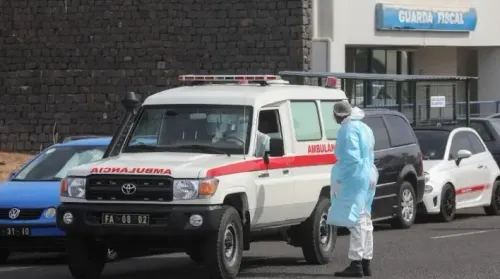
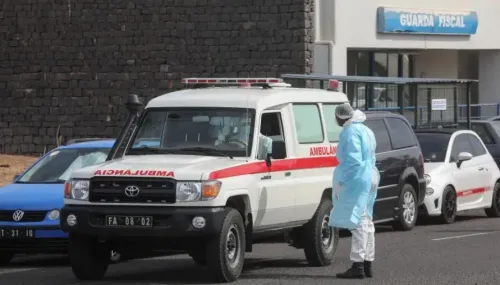
One of 14 Spanish evacuees from the hantavirus-affected cruise ship MV Hondius has tested preliminarily positive for the virus in a PCR test, Spanish Health Minister Mónica García confirmed on Monday, 12 May. The passenger is currently in isolation at Madrid's Gómez Ulla hospital and is reportedly without symptoms and in general good health.
What the Preliminary Test Showed
García stated that the positive PCR result was obtained upon the evacuee's arrival at the hospital. "The person remains in isolation, without symptoms and in general good health, under continued clinical observation in accordance with established safety and epidemiological protocols," she said. The remaining 13 Spanish passengers tested provisionally negative, with final confirmatory results expected within hours of the announcement.
About the Hantavirus Strain Involved
According to Spanish health authorities and the World Health Organization (WHO), the outbreak is believed to involve the Andes strain of hantavirus — a variant notable for its potential for person-to-person transmission through close contact. This distinguishes it from most other hantavirus strains, which are typically transmitted through exposure to infected rodent urine or droppings and do not spread between humans. The Andes strain's transmission characteristics have heightened international concern around this particular outbreak.
Evacuation and EU Response
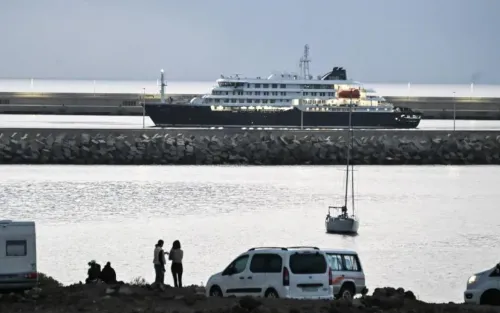
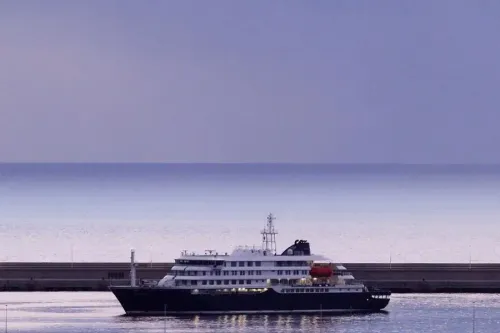
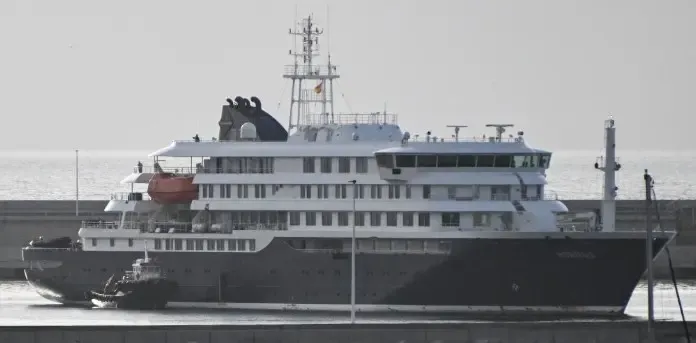
The MV Hondius arrived in Spain's Canary Islands over the weekend, triggering an evacuation operation. The final group of evacuees departed the ship on Monday after the vessel briefly docked at the Port of Granadilla on the island of Tenerife due to adverse weather conditions. The ship subsequently departed for Rotterdam in the Netherlands.
Since Spain activated the EU Civil Protection Mechanism on 6 May, the EU's Emergency Response Coordination Centre has been coordinating the safe evacuation of passengers. Five repatriation flights took place on Sunday, operated by France, Spain, the Netherlands, Greece, and Ireland. A sixth and final flight, operated by the Netherlands, departed on Monday.
The European Commission confirmed it is coordinating national responses, while the European Centre for Disease Prevention and Control (ECDC) assessed the risk to the general population in Europe as very low. A medical evacuation aircraft from the EU fleet, hosted by Norway, was pre-positioned in Tenerife, with additional transport, logistics, and protective equipment ready for deployment if needed.
Broader International Coordination
Commissioner for Equality, Preparedness and Crisis Management Hadja Lahbib emphasised that health threats can easily cross borders, making coordination essential. The EU is reportedly working closely with member states, the ECDC, the WHO, and G7 partners. The ECDC also deployed two experts from the EU Health Task Force to the ship before passengers disembarked, and a liaison officer has been stationed in Tenerife for on-site coordination.
Multiple confirmed and suspected cases have been linked to the outbreak so far, including passengers transferred to several countries for treatment and monitoring. Health authorities across Europe are expected to continue monitoring the situation closely as final test results emerge in the coming days.
Point of View
Which most hantavirus variants do not share. European health systems are right to isolate and monitor, but the real test of preparedness will come if secondary transmission is detected in any of the receiving countries. The ECDC's 'very low' risk assessment is reassuring for the general public, but it should not lower vigilance among healthcare workers and close contacts of evacuees.
NationPress
9 Oct 2026
Frequently Asked Questions
What is the hantavirus outbreak on MV Hondius?
The MV Hondius is a cruise ship linked to a hantavirus outbreak in which multiple passengers tested positive or were suspected of infection. The outbreak is believed to involve the Andes strain of hantavirus, prompting an international evacuation coordinated through the EU Civil Protection Mechanism.
Why is the Andes strain of hantavirus considered more dangerous?
The Andes strain is one of the very few hantavirus variants known to spread from person to person through close contact, unlike most strains which only transmit through exposure to infected rodent urine or droppings. This characteristic makes containment more complex and has heightened international concern.
What is the current health status of the Spanish evacuee who tested positive?
According to Health Minister Mónica García, the patient is in isolation at Madrid's Gómez Ulla hospital, is without symptoms, and is in general good health under continued clinical observation following established epidemiological protocols.
What risk does the hantavirus outbreak pose to people in Europe?
The European Centre for Disease Prevention and Control (ECDC) has assessed the risk to the general population in Europe as very low. The EU is coordinating with national authorities, the WHO, and G7 partners to monitor and respond to the situation.
How did the EU respond to the MV Hondius hantavirus outbreak?
Spain activated the EU Civil Protection Mechanism on 6 May. Six repatriation flights were subsequently organised, with passengers flown to France, Spain, the Netherlands, Greece, and Ireland. The EU also pre-positioned a medical evacuation aircraft in Tenerife and deployed a liaison officer and ECDC health experts to the ship.