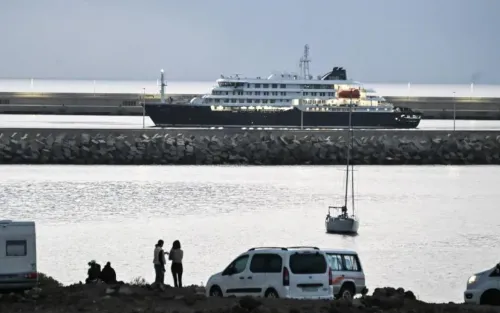
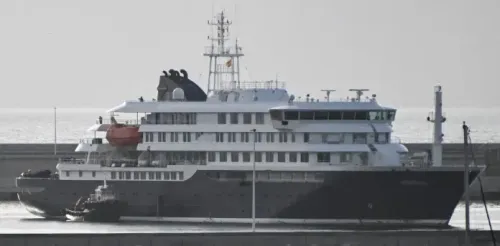
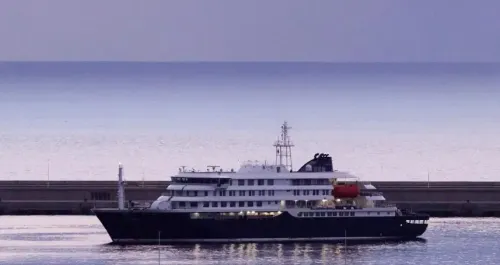
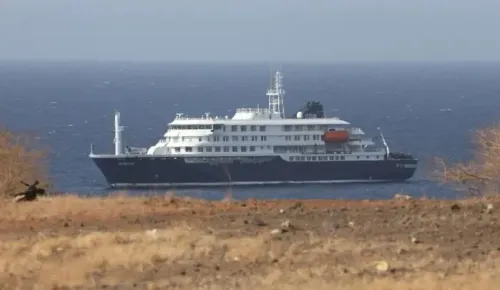
French woman from MV Hondius cruise ship tests positive for Andes hantavirus
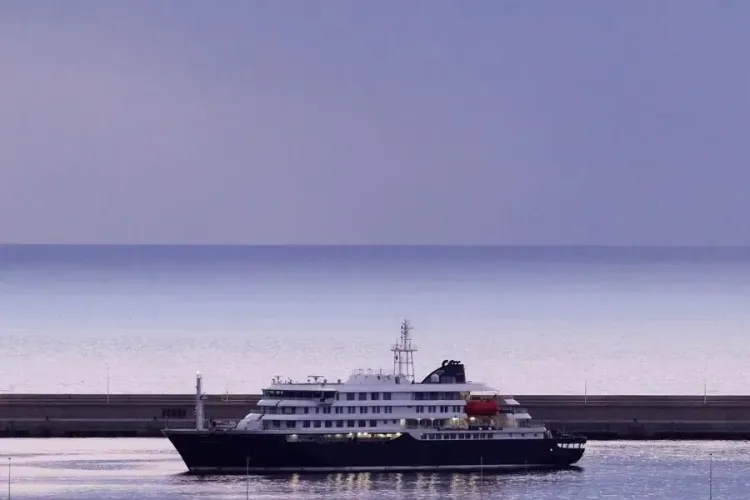
Synopsis
A French woman evacuated from the hantavirus-hit cruise ship MV Hondius has tested positive for the Andes hantavirus after falling ill mid-flight. With 22 close contacts now under isolation orders in France, the outbreak is rapidly shifting from a shipboard emergency into a continental public health concern.
Key Takeaways
A French woman from the cruise ship MV Hondius tested positive for Andes hantavirus on 11 May .
She developed symptoms during the medical repatriation flight and was later transferred to a specialised infectious disease hospital .
22 close contacts of hantavirus cases have been identified in France and ordered to isolate.
French Prime Minister Sebastien Lecornu confirmed the five returnees were placed under strict isolation on arrival.
The WHO notes there is no specific cure for hantavirus; early supportive care is critical for survival.
A French woman who travelled aboard the hantavirus-hit cruise ship MV Hondius has tested positive for the Andes hantavirus after developing symptoms during her repatriation flight to France, French Health Minister Stephanie Rist confirmed on Monday, 11 May. The confirmed case marks a significant escalation in the public health response linked to the vessel.
Condition Deteriorates Overnight
The woman was among five French nationals evacuated from the MV Hondius and repatriated to France on Sunday. She began showing symptoms during the medical evacuation flight itself. Her condition worsened overnight, prompting authorities to transfer her to a specialised infectious disease hospital for treatment, according to Health Minister Rist.
France Identifies 22 Close Contacts
Health Minister Rist also announced that 22 close contacts of confirmed hantavirus cases had been identified within France and ordered to isolate. French Prime Minister Sebastien Lecornu had earlier said the five returning passengers arrived on Sunday afternoon aboard a medical evacuation flight and were immediately placed under strict isolation until further notice. He added that all five were receiving medical care and would undergo tests and health assessments. Lecornu also indicated that a decree would be issued to introduce appropriate isolation measures for close contacts in order to protect the general population.
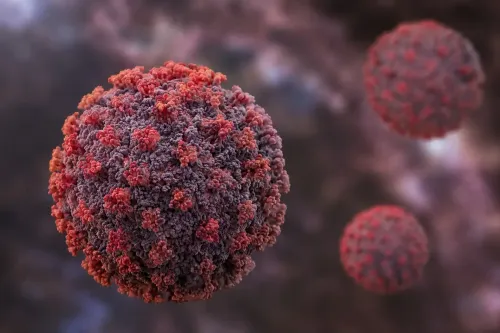
What Is the Andes Hantavirus
According to the World Health Organization (WHO), hantaviruses are zoonotic viruses that naturally infect rodents and are occasionally transmitted to humans. In the Americas, infection is known to lead to hantavirus cardiopulmonary syndrome (HCPS), a rapidly progressive condition affecting the lungs and heart. In Europe and Asia, hantaviruses have been associated with haemorrhagic fever with renal syndrome (HFRS), which primarily affects the kidneys and blood vessels. Infection can result in severe illness and often death, the WHO notes.
How Hantavirus Spreads
Transmission to humans occurs through contact with contaminated urine, droppings, or saliva of infected rodents, or less commonly through rodent bites, according to the WHO. Activities such as cleaning enclosed or poorly ventilated spaces, farming, forestry work, and sleeping in rodent-infested dwellings increase exposure risk significantly. There is currently no specific cure for hantavirus diseases; early supportive medical care focused on respiratory, cardiac, and kidney management is key to improving survival.
What Happens Next
French health authorities are now monitoring the 22 identified close contacts under enforced isolation. The transfer of the infected woman to a specialist infectious disease facility suggests authorities are treating the case with heightened caution. As the investigation into the MV Hondius outbreak continues, public health officials are expected to assess whether additional passengers or crew from the vessel require screening or isolation measures.
Point of View
Hospitalisation within hours — underscores how aggressive HCPS can be. France's identification of 22 close contacts is prudent, but the real question is whether the MV Hondius passenger manifest has been fully screened across all nationalities aboard. Hantavirus does not have a vaccine or antiviral; containment depends entirely on contact tracing speed and isolation compliance, both of which are harder to enforce across international borders.
NationPress
23 Sept 2026
Frequently Asked Questions
What happened on the cruise ship MV Hondius?
The MV Hondius cruise ship was linked to a hantavirus outbreak, prompting the evacuation and repatriation of at least five French nationals. One of those evacuees has since tested positive for the Andes hantavirus after developing symptoms during the repatriation flight on 11 May.
What is the Andes hantavirus and how dangerous is it?
The Andes hantavirus is a strain found in the Americas that can cause hantavirus cardiopulmonary syndrome (HCPS), a rapidly progressive condition affecting the lungs and heart. According to the WHO, hantavirus infection can result in severe illness and often death, and there is currently no specific cure.
How does hantavirus spread to humans?
Hantavirus spreads through contact with the urine, droppings, or saliva of infected rodents, or less commonly through rodent bites. Activities in enclosed or poorly ventilated spaces, farming, and forestry work increase exposure risk, according to the WHO.
What is France doing to contain the outbreak?
French authorities have identified 22 close contacts of confirmed hantavirus cases and ordered them to isolate. The infected woman has been transferred to a specialised infectious disease hospital, and all five repatriated passengers were placed under strict isolation on arrival in France.
Is there a treatment for hantavirus?
There is no specific treatment that cures hantavirus disease. The WHO recommends early supportive medical care focused on close clinical monitoring and management of respiratory, cardiac, and kidney complications to improve the chances of survival.