Hantavirus cruise MV Hondius: Last 2 evacuation flights land in Netherlands

Synopsis
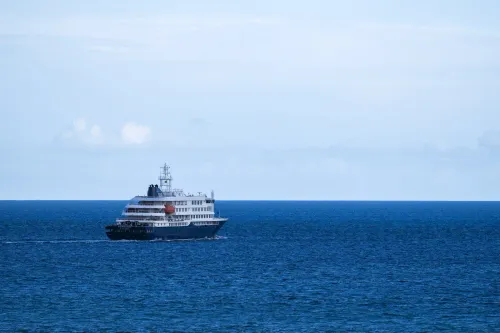
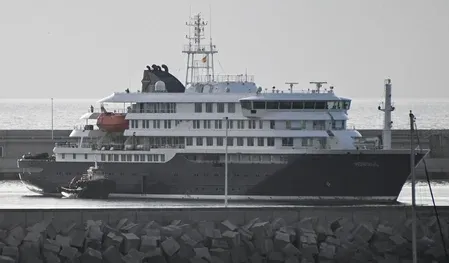
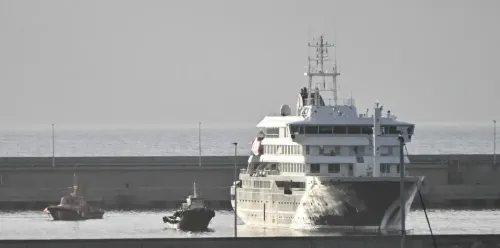
The last two evacuation flights from the hantavirus-hit cruise ship MV Hondius have landed in the Netherlands, completing an international repatriation effort involving Australian and Dutch authorities. With 28 passengers and crew now back on land and medical screening underway, the MV Hondius itself is sailing from Tenerife to Rotterdam — expected to arrive Sunday.
Key Takeaways
The last two evacuation flights from the hantavirus-hit MV Hondius landed at Eindhoven Air Base on Tuesday, 13 May 2025 .
An Australian-operated flight carried 6 passengers ; a Dutch-organised flight carried 22 crew members , including one Dutch national.
The Dutch National Institute for Public Health and the Environment (RIVM) is conducting thorough medical screening and laboratory testing on all returnees.
A quarantine hotel has been arranged for those unable to immediately return home.
MV Hondius has departed Tenerife and is expected to arrive in Rotterdam by Sunday, 18 May 2025 .
Hantavirus has no specific cure ; early supportive care and rodent-contact prevention remain the key responses.
The last two evacuation flights carrying passengers and crew from the hantavirus-hit cruise ship MV Hondius landed at Eindhoven Air Base in the Netherlands on Tuesday, 13 May 2025, marking the end of a complex international repatriation operation. The arrivals were confirmed by the Dutch Foreign Ministry, which coordinated one of the two flights.
How the Evacuation Unfolded
The first flight, operated by Australian authorities, carried six passengers and touched down at approximately 12:30 am local time (2330 GMT on Monday). The six individuals on board are expected to continue onward to Australia. A second, Dutch-organised flight landed roughly 15 minutes later, transporting 22 crew members — including one Dutch national and 21 individuals of other nationalities — from the luxury expedition vessel.
Medical Screening and Quarantine Measures
The Dutch National Institute for Public Health and the Environment (RIVM) confirmed on Sunday that all repatriated passengers would undergo thorough medical screening upon arrival. A sample is being taken from every individual at the airport for laboratory testing. For crew members and foreign passengers unable to immediately return home, a dedicated quarantine hotel has been arranged, according to officials.
MV Hondius Departs Tenerife for Rotterdam
Oceanwide Expeditions, the Dutch operator of MV Hondius, said in a statement on Monday that the vessel has departed the Spanish island of Tenerife and is now en route to Rotterdam. The journey is expected to take approximately six days, with a provisional arrival scheduled for Sunday, 18 May 2025.
What Is Hantavirus and Why It Is Dangerous
According to the World Health Organization (WHO), hantaviruses are zoonotic viruses that naturally infect rodents and are occasionally transmitted to humans, often with severe and potentially fatal outcomes. In the Americas, infection is known to cause Hantavirus Cardiopulmonary Syndrome (HCPS), a rapidly progressive condition affecting the lungs and heart. In Europe and Asia, the virus has been linked to Haemorrhagic Fever with Renal Syndrome (HFRS), which primarily affects the kidneys and blood vessels.
Transmission occurs through contact with the contaminated urine, droppings, or saliva of infected rodents. Rodent bites can also cause infection, though less commonly. Activities such as cleaning enclosed or poorly ventilated spaces, farming, forestry work, and sleeping in rodent-infested dwellings significantly increase exposure risk.
Treatment and Prevention
There is currently no specific cure for hantavirus diseases. Early supportive medical care — focused on close clinical monitoring and management of respiratory, cardiac, and kidney complications — remains the primary approach to improving survival. Prevention depends largely on reducing contact between people and infected rodents.
With the vessel now sailing toward Rotterdam and all passengers accounted for, health authorities will continue monitoring those repatriated over the coming days for any signs of infection.
Point of View
Posing complex cross-border public health logistics. The Dutch response, coordinating with Australian authorities and standing up a quarantine hotel within days, appears measured. But the real question is how the virus entered the vessel in the first place — a detail that neither Oceanwide Expeditions nor health authorities have publicly addressed. Until the source of contamination aboard is identified, the ship's arrival in Rotterdam on Sunday will warrant close scrutiny from Dutch public health officials.
NationPress
25 Sept 2026
Frequently Asked Questions
What happened on the cruise ship MV Hondius?
MV Hondius, a luxury expedition cruise vessel operated by Dutch company Oceanwide Expeditions, was affected by a hantavirus outbreak, prompting an international evacuation of passengers and crew. The last two evacuation flights landed at Eindhoven Air Base in the Netherlands on Tuesday, 13 May 2025.
What is hantavirus and how is it transmitted?
Hantavirus is a zoonotic virus naturally found in rodents and occasionally transmitted to humans through contact with contaminated rodent urine, droppings, or saliva. It can cause severe illness including Hantavirus Cardiopulmonary Syndrome (HCPS) in the Americas and Haemorrhagic Fever with Renal Syndrome (HFRS) in Europe and Asia.
What medical measures are in place for returning passengers and crew?
The Dutch National Institute for Public Health and the Environment (RIVM) is conducting thorough medical screening and laboratory testing on all returnees at the airport. A quarantine hotel has been arranged for those who cannot immediately return home.
When will MV Hondius arrive in Rotterdam?
MV Hondius departed Tenerife, Spain, on Monday and is expected to arrive in Rotterdam, Netherlands, in approximately six days, with a provisional arrival date of Sunday, 18 May 2025.
Is there a cure for hantavirus?
There is currently no specific cure for hantavirus disease. Treatment focuses on early supportive medical care, including close monitoring and management of respiratory, cardiac, and kidney complications, which is key to improving survival rates.