CSIR-CBRI transfers 13 indigenous building technologies to industry on National Technology Day
Synopsis
On National Technology Day, CSIR-CBRI handed over 13 home-grown building technologies — from fire-resistant coatings to low-carbon bricks — to Indian industries and start-ups, marking one of the institute's largest single-day technology transfer events and reinforcing India's self-reliance push in construction and infrastructure.
Key Takeaways
CSIR-CBRI , Roorkee, transferred 13 indigenous technologies to industries and start-ups on National Technology Day, 13 May 2025 .
Key technologies include fire-resistant intumescent coating , IPN coating for RCC structures , low-carbon brick manufacturing , and a hybrid solar-assisted heat pump system .
Technologies span fire safety , sustainable construction , infrastructure protection , and energy efficiency .
Kalaiselvi , Director General of CSIR, said the transfers are strengthening India's national innovation ecosystem.
The CSIR Smart Village Initiative video and CSIR-CBRI Annual Report 2025–26 were also released at the ceremony.
Separately, CSIR's Institute of Genomics and Integrative Biology signed a technology transfer deal with Serum Institute, Pune for a novel gene therapy .
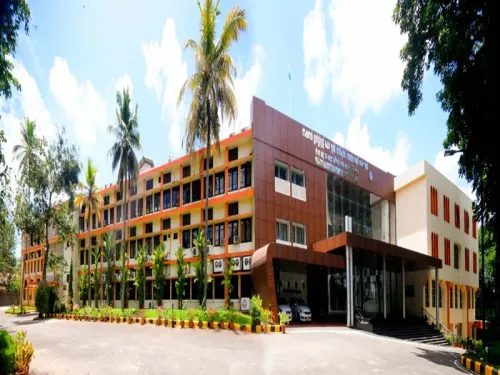
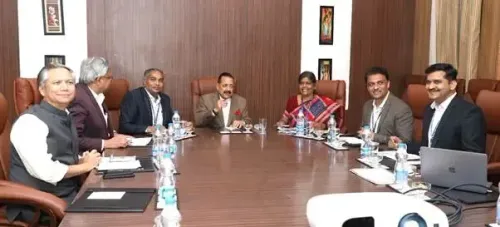
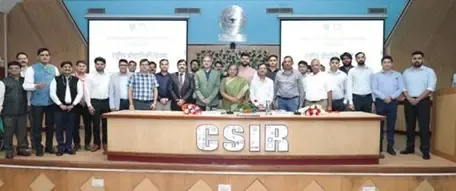
The Council of Scientific and Industrial Research's Central Building Research Institute (CSIR-CBRI) in Roorkee transferred 13 indigenous technologies to industries and start-ups on National Technology Day, according to an official statement from the Ministry of Science & Technology on Tuesday, 13 May 2025. The ceremony marks a significant step in India's push for self-reliant infrastructure innovation, with technologies spanning fire safety, sustainable construction, and advanced building materials.
Technologies Transferred
The 13 technologies handed over cover a wide spectrum of construction and infrastructure needs. Among the most notable are a fire-resistant transparent intumescent coating for wood and wood substitute surfaces, and an IPN coating technology for the protection of RCC structures. Other key transfers include a low-carbon footprint brick manufacturing technology, a hybrid solar-assisted heat pump system, and a prefabricated high-strength steel cord reinforcement technology for wall protection. Together, the technologies address critical areas including energy efficiency, infrastructure protection, and sustainable construction.
What Officials Said
Prof. Kumar, Director of CSIR-CBRI, said the transfers reflect the growing strength of India's research ecosystem and will advance the vision of Aatmanirbhar Bharat, sustainable infrastructure, and technology-driven development. Dr. Ajay Chaurasia from CSIR-CBRI highlighted the significance of industry-oriented technology dissemination in accelerating innovation-led development in the country, according to the ministry statement.
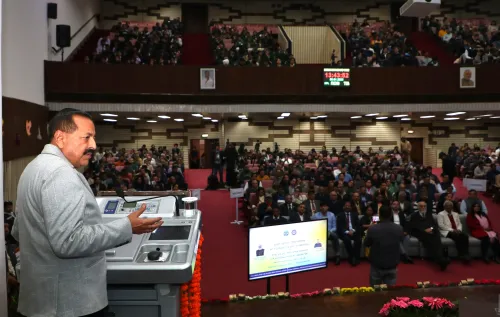
Dr. N. Kalaiselvi, Director General of CSIR and Secretary of the Department of Scientific and Industrial Research (DSIR), observed that science, innovation, and technology-based development are emerging as key drivers in India's journey towards becoming a developed nation. She added that the transfer of indigenous technologies developed by CSIR laboratories to industries is significantly strengthening the national innovation ecosystem.
CSIR Smart Village Initiative and Annual Report
A video on the CSIR Smart Village Initiative and the CSIR-CBRI Annual Report 2025–26 were also released during the programme, showcasing CSIR's contributions towards rural development and sustainable technologies. The initiative underscores CSIR's expanding mandate beyond urban infrastructure to grassroots-level technological intervention.
Broader CSIR Technology Push
Notably, CSIR's Institute of Genomics and Integrative Biology has recently executed a technology transfer agreement with the Serum Institute, Pune, for the clinical translation and upscaling of a novel gene therapy. This signals that CSIR's technology commercialisation drive extends well beyond construction, spanning healthcare and biotechnology. This comes amid a broader national emphasis on translating publicly-funded research into market-ready products. As India intensifies its focus on domestic manufacturing and innovation, CSIR's role as a bridge between laboratory research and industrial application is expected to grow further in the coming years.
Point of View
But the harder question is uptake: how many of CSIR's past transfers have reached commercial scale, and how quickly? India's public research institutions have long been criticised for a lab-to-market gap — strong on patents, weak on deployment. The inclusion of start-ups alongside established industries in this transfer batch is a meaningful structural shift, but without disclosed timelines or commercialisation targets, the announcement risks being another optics exercise. The parallel gene-therapy deal with Serum Institute suggests CSIR is at least diversifying its commercialisation partners beyond traditional heavy industry, which is the more consequential long-run signal.
NationPress
12 May 2026
Frequently Asked Questions
What technologies did CSIR-CBRI transfer on National Technology Day 2025?
CSIR-CBRI transferred 13 indigenous technologies covering fire safety, sustainable construction, infrastructure protection, energy efficiency, and advanced building materials. Key among them are a fire-resistant intumescent coating for wood surfaces, IPN coating for RCC structures, low-carbon brick manufacturing technology, and a hybrid solar-assisted heat pump system.
Who received the transferred technologies?
The technologies were transferred to industries and start-ups during a ceremony held to mark National Technology Day on 13 May 2025. The ministry statement did not name the specific recipient companies.
What is the significance of these technology transfers for India?
The transfers are aimed at advancing the Aatmanirbhar Bharat vision by enabling domestic industries to adopt home-grown construction and infrastructure solutions. Officials said the move strengthens India's national innovation ecosystem and reduces dependence on imported building technologies.
What is the CSIR Smart Village Initiative?
The CSIR Smart Village Initiative focuses on deploying CSIR's research and technologies for rural development and sustainable infrastructure at the grassroots level. A video on the initiative was released alongside the CSIR-CBRI Annual Report 2025–26 at the National Technology Day ceremony.
What is CSIR's gene therapy technology transfer with Serum Institute?
CSIR's Institute of Genomics and Integrative Biology has executed a technology transfer agreement with the Serum Institute in Pune for the clinical translation and upscaling of a novel gene therapy. The deal marks CSIR's expanding commercialisation push beyond construction into healthcare and biotechnology.