Is CSIR-NIIST Ready for a Lab-to-Market Revolution?
Synopsis
On February 18, CSIR-NIIST is set to revolutionize the market by signing multiple technology transfer agreements at a significant event in New Delhi. This initiative aims to convert groundbreaking lab innovations into industry-ready solutions, focusing on nutrition, sustainability, and health-driven markets.
Key Takeaways
CSIR-NIIST aims to boost lab-to-market innovations.
Key technologies include designer rice and sustainable materials.
The event signifies a strategic shift towards commercial viability in public research.
Partnerships with industry leaders like Tata Consumer Products are crucial.
Focus on addressing India's nutritional and environmental challenges.
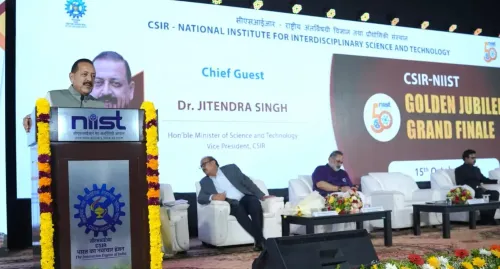
Thiruvananthapuram, Feb 16 (NationPress) In a pivotal move aimed at enhancing lab-to-market innovation, the CSIR–National Institute for Interdisciplinary Science and Technology (CSIR–NIIST) is poised to formalize several technology transfer agreements with industry collaborators during an event titled "CSIR-NIIST Tech Connect: From Lab to Market" at the CSIR Headquarters located in Anusandhan Bhawan, New Delhi on February 18, as confirmed by officials on Monday.
The laboratory, based in Thiruvananthapuram and part of the Council of Scientific and Industrial Research (CSIR), will be transferring a range of industry-ready technologies that include areas such as functional foods, sustainable materials, waste management, and post-harvest processing.
N. Kalaiselvi, the Department of Scientific and Industrial Research Secretary and CSIR Director General, will be the Chief Guest at this significant gathering.
The key innovation is a low glycaemic index (GI), protein- and micronutrient-rich "designer rice", devised to tackle India's challenges of metabolic disorders and hidden hunger.
This technology will be passed on to Tata Consumer Products and SS Soul Foods in Tamil Nadu.
Conventional polished white rice is often associated with spikes in postprandial glucose levels, contributing to the rise of Type-2 diabetes. The fortified variant not only boosts protein content but also moderates carbohydrate digestibility while providing essential micronutrients like iron, folic acid, and Vitamin B12, all without changing dietary habits.
Two agreements related to this innovation will facilitate large-scale production and retail accessibility.
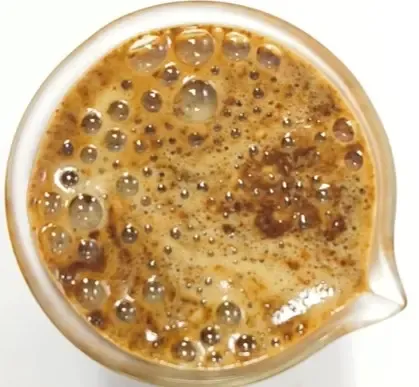
In addition to nutritional advancements, CSIR–NIIST will also transfer an innovative coffee crema technology that produces stable, enduring foam, a key sensory feature for the growing coffee and beverage sector.
From a materials science perspective, a bio-based cardanol polyol modified polyurethane dispersion will serve as a sustainable alternative to petroleum-derived binders, applicable in leather finishing and metal coatings.
To combat India's 30 to 40 percent post-harvest losses in horticulture, the institute will commercialize osmotic dehydrated fruit snacks and a ready-to-cook vegetable mix developed using Refrigerated Adsorption Dehumidified Dryer (RADD) technology, which enhances nutrient retention and extends shelf life.
In the realm of the circular economy, JAIVAM, an engineered microbiome for rapid aerobic composting, will be transferred post securing various industrial licenses and receiving approval from the Kerala Suchitwa Mission.
Additionally, two cactus-derived plant-based leather alternatives, which have already been commercialized through 15 transfers and four production facilities, will also be handed over, reinforcing the commitment to sustainable manufacturing.
The event will also feature the signing of a MoU for low-sodium salt formulations, including a hollow salt crystal technology capable of reducing sodium content by up to 86 percent while maintaining taste.
For CSIR–NIIST, this ceremony marks a broader strategic transition, positioning public research as a commercial innovation pipeline that aligns with nutrition security, sustainability, and health-oriented consumer markets.
Point of View
The initiatives being undertaken by CSIR-NIIST underscore a significant shift in public research towards commercial viability. As India grapples with challenges like nutrition security and sustainability, these technology transfers represent not just a growth opportunity for industries but also a commitment to addressing pressing societal issues. This strategic alignment with health-driven markets reflects a forward-thinking approach that could serve as a model for future public-private partnerships in research and development.
NationPress
19 Sept 2026
Frequently Asked Questions
What is the purpose of the CSIR-NIIST Tech Connect event?
The CSIR-NIIST Tech Connect event aims to formalize technology transfer agreements with industry partners to accelerate lab-to-market innovations in various fields including nutrition and sustainability.
Who will attend the CSIR-NIIST Tech Connect event?
N. Kalaiselvi, the Secretary of the Department of Scientific and Industrial Research and CSIR Director General, will attend the event as the Chief Guest.
What are some key technologies being transferred?
Technologies being transferred include a low glycaemic index designer rice, indigenous coffee crema technology, bio-based polyurethane dispersions, and osmotic dehydrated fruit bites, among others.
How does the designer rice address health issues?
The designer rice is fortified to enhance protein content and reduce postprandial glucose spikes, addressing India's rising issues with Type-2 diabetes and hidden hunger.