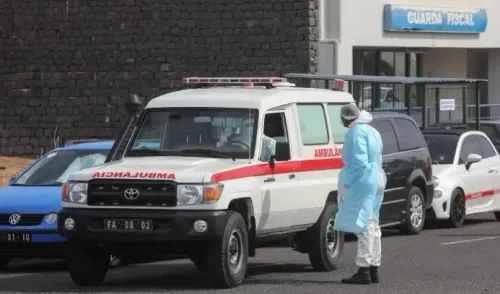
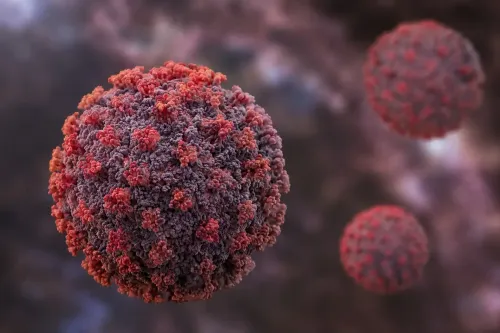
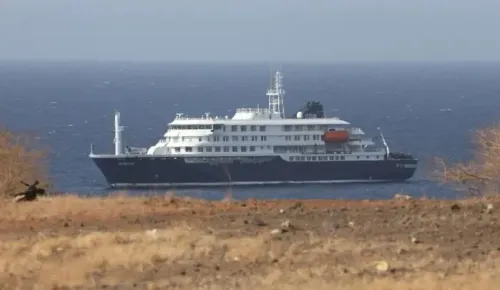
Hantavirus: American tests positive from MV Hondius cruise ship
Synopsis
A hantavirus outbreak linked to the Dutch cruise ship MV Hondius has now claimed three lives, infected at least eight people, and triggered military deployments to one of Earth's most remote islands — with the US and UK scrambling to evacuate and isolate their nationals as the rare, deadly virus spreads alarm across two continents.
Key Takeaways
One American passenger from the MV Hondius has tested positive for hantavirus ; a second has mild symptoms.
All 17 US nationals from the ship are being airlifted to the University of Nebraska Medical Center in Omaha .
As of Saturday , there were eight suspected cases and three deaths linked to the outbreak.
20 British nationals evacuated from the MV Hondius are under 72-hour observation at Arrowe Park Hospital , Merseyside; all returning UK passengers face 45 days of total isolation.
The British military parachuted six paratroopers and two clinicians onto Tristan da Cunha — its most remote overseas territory — after a British national there tested positive.
Hantavirus kills more than a third of those infected; its incubation period ranges from one to eight weeks , according to the Centres for Disease Control and Prevention .
An American passenger from the hantavirus-affected Dutch cruise ship MV Hondius has tested positive for the virus, while a second passenger is showing mild symptoms, the US Department of Health and Human Services announced on 11 May. All 17 American citizens from the vessel are currently being airlifted to the United States, with the two affected passengers travelling in the aircraft's biocontainment units as a precautionary measure.
Evacuation and Medical Response
The airlift will first bring passengers to the Regional Emerging Special Pathogen Treatment Center (RESPTC) at the University of Nebraska Medical Center/Nebraska Medicine in Omaha, Nebraska. The passenger displaying mild symptoms will subsequently be transferred to a second RESPTC closer to their final destination.
Point of View
But the 45-day isolation window and the unprecedented military parachute drop onto Tristan da Cunha underscore how little margin for error exists with hantavirus, which kills over a third of those it infects. What this outbreak also reveals is the vulnerability of remote communities: Tristan da Cunha's 221 residents have no airstrip and rely on sea access, meaning any delay in the military response could have been catastrophic. The broader public health question — whether cruise ship biosecurity protocols are adequate for rare zoonotic pathogens — will need urgent attention once the immediate crisis is contained.
NationPress
24 Sept 2026
Frequently Asked Questions
What is hantavirus and how dangerous is it?
Hantavirus is a rare but deadly disease usually spread by rodents, with an incubation period of one to eight weeks from first exposure to symptoms, according to the Centres for Disease Control and Prevention. It kills more than a third of people infected and can, in rare cases, spread from person to person.
What happened on the MV Hondius cruise ship?
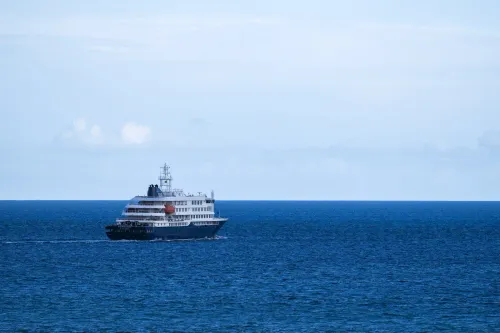
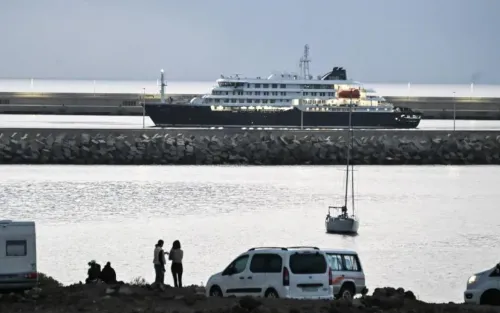
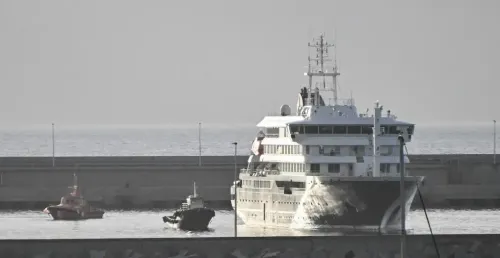
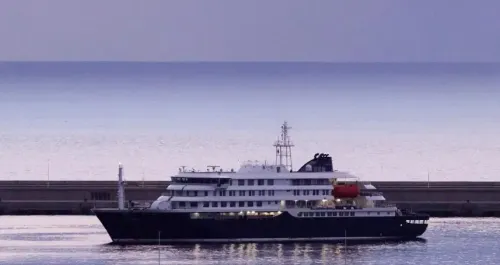
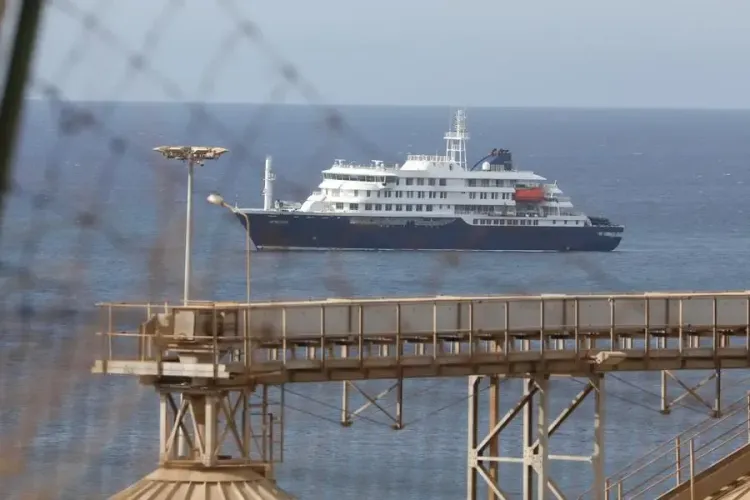
The MV Hondius, a Dutch cruise ship, became the centre of a hantavirus outbreak that had resulted in at least eight confirmed or suspected cases and three deaths as of Saturday. The outbreak prompted emergency evacuations of American and British nationals from the vessel.
Where are the American passengers being taken for treatment?
All 17 American nationals from the MV Hondius are being airlifted to the Regional Emerging Special Pathogen Treatment Center (RESPTC) at the University of Nebraska Medical Center in Omaha, Nebraska. The passenger with mild symptoms will subsequently be transferred to a second RESPTC nearer their final destination.
What measures has the UK taken for returning MV Hondius passengers?
The UK evacuated 20 nationals to Arrowe Park Hospital in Merseyside for 72-hour clinical observation. All passengers and crew returning from the MV Hondius face a total of 45 days of isolation and monitoring; those who remain symptom-free may return home but must continue self-isolation for a further 42 days.
Why did the British military deploy to Tristan da Cunha?
A British national on Tristan da Cunha — a remote South Atlantic island with no airstrip and a population of just 221 — tested positive for hantavirus. Six paratroopers and two military clinicians from 16 Air Assault Brigade parachuted onto the island, while oxygen supplies and medical equipment were air-dropped simultaneously, in what the Defence Ministry described as the first such humanitarian parachute deployment of medical personnel.