France shuts 3 nuclear reactors as heatwave pushes temps to 41°C
Synopsis
France's heatwave isn't just a public health emergency — it is exposing a critical vulnerability in Europe's largest nuclear power fleet. With three reactors offline and eight throttled because rivers are too warm to cool them, the country faces simultaneous pressure on energy supply and human safety, with 139 drowning deaths already recorded since mid-June.
Key Takeaways
Three nuclear reactors in France have been shut down and eight others are operating at reduced power due to the ongoing heatwave.
EDF cited environmental regulations on thermal discharges as the reason for the shutdowns, as high river temperatures limit cooling capacity.
Meteo-France placed 37 departments under a red heatwave alert, with temperatures forecast to reach 37°C–41°C .
French Interior Minister Laurent Nunez reported 139 drowning deaths since 19 June — up 18% year-on-year.
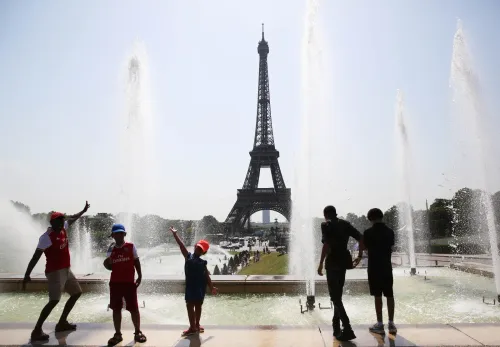
The Eiffel Tower , Louvre , and Orsay Museum have all shortened opening hours due to the extreme heat.
The heatwave follows a separate extreme heat event in late June and is expected to last until mid-week.
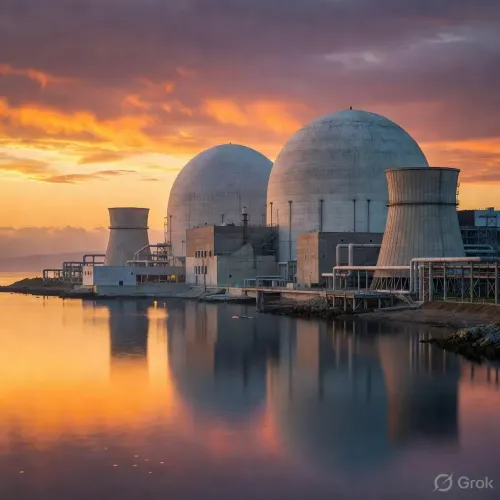
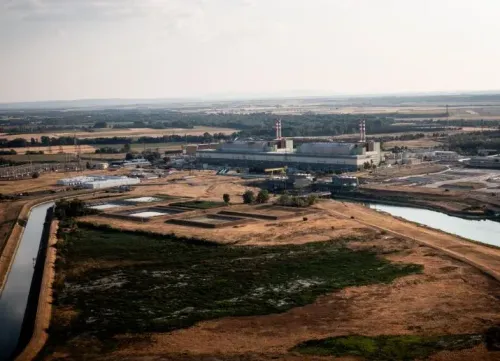
Three nuclear reactors in France have been taken offline and eight others are running at reduced capacity as a severe heatwave grips much of the country, state-owned utility EDF confirmed. The shutdowns, reported on 13 July, were ordered to comply with environmental regulations governing thermal discharges into rivers, whose rising temperatures have compromised the cooling systems that nuclear plants depend on.
Why the Reactors Were Shut Down
Nuclear power plants in France routinely draw river water to cool their reactors, but high ambient temperatures raise river water temperatures beyond permissible discharge limits. When that threshold is breached, operators are legally required to reduce output or halt operations entirely to prevent ecological damage to waterways. EDF stated the reactors were taken offline 'because of the weather conditions and in order to comply with regulations governing thermal discharges and therefore protect the environment.'
This is not an isolated occurrence — France has faced similar reactor curtailments during previous European heatwaves, including the record summers of 2003 and 2019, underscoring a structural tension between nuclear energy dependence and climate-driven heat extremes.
Scale of the Heatwave
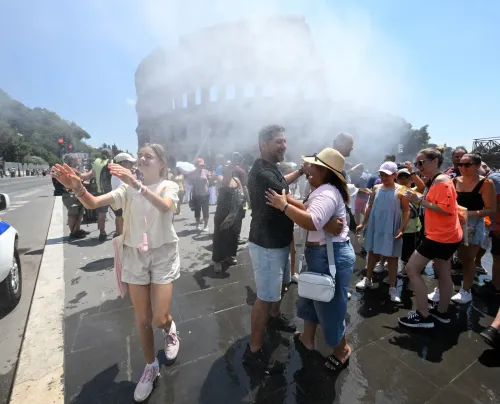
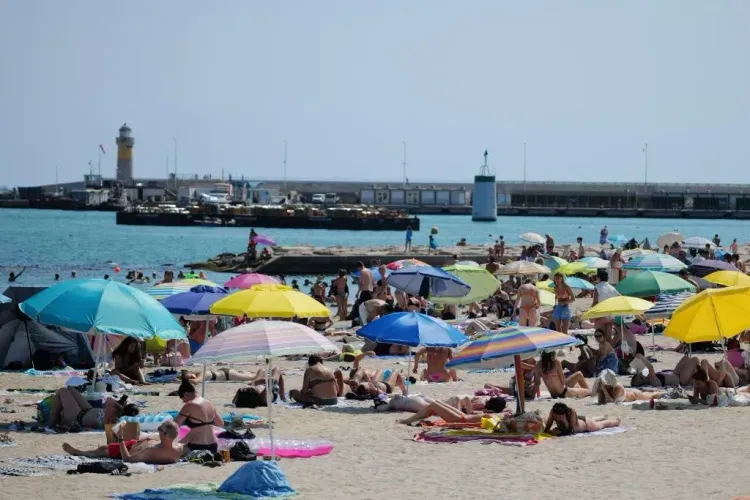
National weather agency Meteo-France placed 37 departments under its highest-level red heatwave alert from 12 p.m. local time on Sunday, warning that temperatures in affected zones could reach between 37°C and 41°C. Approximately one-quarter of France is currently under a red alert. Paris recorded a forecast high of 36°C on Saturday, while other regions were expected to touch 39°C to 40°C. The heatwave is forecast to persist until the middle of the following week, according to Meteo-France.
The agency noted that this extreme heat follows an exceptional heatwave that swept France in late June, making it the second major heat event within weeks.
Human Toll and Public Safety
French Interior Minister Laurent Nunez, speaking to television channel BFM TV on Sunday, said 139 people had died from drowning since 19 June — an increase of 18 per cent compared with the same period the previous year. Officials have attributed the surge in drowning fatalities partly to people seeking relief from the extreme heat in rivers, lakes, and other water bodies.
Paris Landmarks Cut Hours
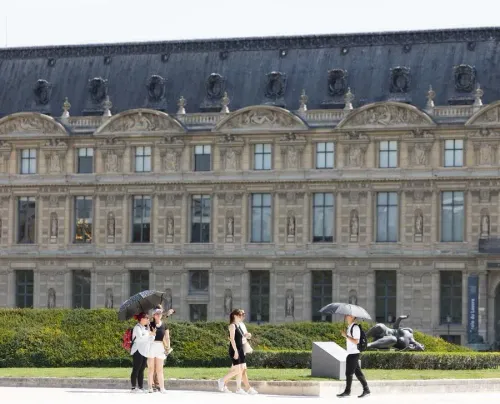
The heat has forced major cultural and tourist sites in the capital to curtail operations. The Eiffel Tower announced it would close at 4 p.m. (1400 GMT) on Saturday and Sunday, significantly earlier than its regular closing time of 00:45 a.m. The Louvre Museum is closing at 4 p.m. (1400 GMT) through 13 July, while the Orsay Museum is shutting at 5 p.m. (1500 GMT) through 15 July.
As France braces for further days of extreme heat, the dual pressure on energy supply and public safety is expected to intensify before temperatures ease toward mid-week.
Point of View
Even partial curtailments carry grid-stability risk at precisely the moment demand peaks. The 18% rise in drowning deaths is a grim parallel data point — both trends reflect the same underlying failure to fully price extreme heat into infrastructure and public safety planning. The question is not whether this will recur, but how many summers France can absorb before the regulatory and engineering frameworks are forced to change.
NationPress
11 Oct 2026
Frequently Asked Questions
Why did France shut down nuclear reactors during the heatwave?
France shut down three nuclear reactors because high river temperatures prevented plants from discharging cooling water within legally permitted thermal limits. State utility EDF stated the shutdowns were necessary 'because of the weather conditions and in order to comply with regulations governing thermal discharges and therefore protect the environment.'
How severe is the heatwave currently affecting France?
Meteo-France has placed 37 departments under its highest red heatwave alert, with temperatures forecast between 37°C and 41°C. Around one-quarter of France is under a red alert, and the extreme heat is expected to continue until the middle of the following week.
How many people have died due to the heatwave in France?
French Interior Minister Laurent Nunez confirmed 139 people had died from drowning since 19 June — an 18% increase compared with the same period the previous year. Officials have linked the rise partly to people seeking relief from the heat in open water.
Which Paris landmarks have reduced their hours because of the heat?
The Eiffel Tower is closing at 4 p.m. on Saturday and Sunday instead of its usual 00:45 a.m. The Louvre Museum is closing at 4 p.m. through 13 July, and the Orsay Museum is closing at 5 p.m. through 15 July.
Has France experienced nuclear shutdowns during heatwaves before?
Yes. France has faced similar reactor curtailments during previous European heatwaves, including the record summers of 2003 and 2019. The country generates roughly 70% of its electricity from nuclear power, making river-cooling constraints a recurring and significant energy supply risk during extreme heat events.