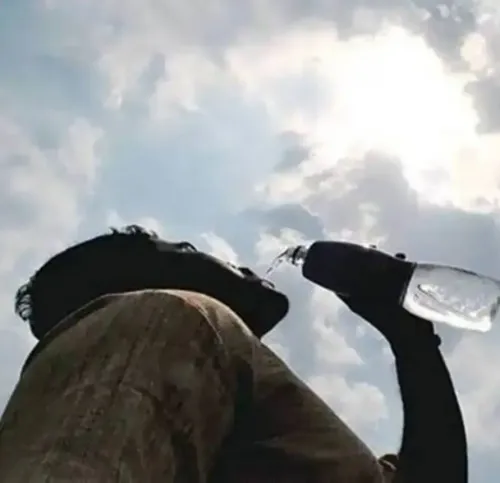
Heatwave advisory 2025: Centre urges hydration, Ayush remedies for heat stress

Synopsis
India's health ministry has merged modern heatwave science with Ayurveda, Siddha, Yoga, Unani, and Homoeopathy in a single advisory — a rare convergence of conventional and traditional medicine. With heatstroke now classified as a medical emergency and helplines flagged for severe cases, the Centre is signalling that this summer's heat risk is serious enough to demand a whole-of-health-system response.
Key Takeaways
The Ministry of Health and Family Welfare issued a Public Health Advisory on Extreme Heat/Heatwave on 18 May 2025 .
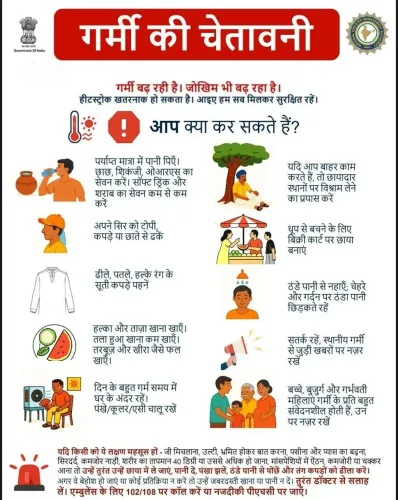
Key advice: stay adequately hydrated , avoid direct sun during peak hours, wear light cotton clothing , and consume electrolyte-rich fluids.
Infants, children, pregnant women, elderly persons, outdoor workers , and those with heart disease or hypertension are identified as highest-risk groups.
Heatstroke is classified as a medical emergency; citizens are urged to call 108 or 102 in severe cases.
The advisory's Ayush addendum recommends traditional remedies including buttermilk, coconut water, Sheetali Pranayama , and herbal preparations from Ayurveda, Siddha, Unani, and Homoeopathy.
Employers and event organisers are directed to provide shaded rest areas, hydration breaks , and acclimatisation measures for workers.
The Ministry of Health and Family Welfare has issued a Public Health Advisory on Extreme Heat and Heatwave, cautioning citizens across India to stay hydrated, avoid peak-hour sun exposure, and watch for early signs of heat-related illness. The advisory, released on 18 May, was prepared by the Ayush vertical under the Directorate General of Health Services (DGHS) in coordination with the Ministry of Ayush, in response to rising temperatures and active heatwave conditions in several parts of the country.
Key Precautions for the General Public
The advisory stresses adequate hydration as the single most important protective measure during a heatwave. Citizens are advised to avoid stepping outdoors during peak sun hours, wear light cotton clothing, and consume seasonal fruits and fluids rich in electrolytes. Workers, participants in mass gatherings, and those attending outdoor sports events have been specifically called out for targeted precautions, including shaded rest areas, regular hydration breaks, and structured acclimatisation programmes.
Vulnerable Groups at Heightened Risk
The advisory identifies infants, children, pregnant women, elderly persons, outdoor workers, and individuals with chronic conditions such as heart disease and hypertension as particularly susceptible to heat stress. These groups, it notes, require special care and closer monitoring during prolonged heatwave spells. Employers have been urged to factor in these vulnerabilities when scheduling outdoor or physically demanding work.
Warning Signs and Emergency Response
Citizens are advised to remain alert for symptoms of heat-related illness, including dizziness, headache, nausea, altered mental status, high body temperature, dehydration, seizures, and fainting. The advisory classifies heatstroke as a medical emergency demanding immediate attention, and recommends calling emergency helplines 108 or 102 without delay in severe cases.
Ayush Systems Offer Traditional Heat-Relief Measures
An addendum issued by the Ayush vertical incorporates preventive guidance drawn from Ayurveda, Siddha, Yoga, Unani, and Homoeopathy. The Ayurveda section recommends cooling dietary practices and traditional hydrating beverages — including buttermilk, coconut water, and lemon-based drinks — alongside traditional preparations such as Nimbukaphala Panaka, Amra Prapanaka, and Chincha Panaka to help regulate body temperature. The Siddha and Yoga sections advise cooling refreshments and breathing techniques, particularly Sheetali Pranayama, to maintain thermal comfort. The Unani system recommends herbal applications to prevent sunburn and dehydration, while the Homoeopathy section outlines precautionary steps for peak heat hours.
Context: Why This Advisory Matters Now
India's summer of 2025 has seen early and intense heatwave activity across northern, central, and western states, with the India Meteorological Department (IMD) issuing repeated red and orange alerts. Heat-related deaths and hospitalisations typically spike when temperatures sustain above 40°C for consecutive days — conditions that have already been recorded in multiple districts this season. This advisory represents a convergence of modern public health guidance and traditional wellness frameworks, a deliberate policy choice that reflects the government's broader push to mainstream Ayush alongside allopathic healthcare. How effectively these recommendations reach the most vulnerable — daily-wage outdoor workers, the rural elderly, and urban slum residents without access to cooling — will determine their real-world impact.
Point of View
The clinical evidence base for some of the traditional preparations cited remains thin, and the advisory does not distinguish between them. More critically, advisories of this kind rarely reach the people most at risk: daily-wage construction workers, farmers, and the urban poor who cannot simply 'avoid peak sun hours' because their livelihoods depend on being outdoors. The real test of this advisory is not its content but its last-mile delivery — and on that, the government has said very little.
NationPress
2 Oct 2026
Frequently Asked Questions
What does the Centre's heatwave advisory recommend?
The advisory recommends adequate hydration, avoiding direct sunlight during peak hours, wearing light cotton clothing, and consuming electrolyte-rich fluids and seasonal fruits. It also incorporates traditional Ayush remedies including buttermilk, coconut water, and breathing techniques such as Sheetali Pranayama.
Who is most at risk during a heatwave, according to the advisory?
The advisory identifies infants, children, pregnant women, elderly persons, outdoor workers, and individuals with chronic illnesses such as heart disease and hypertension as most vulnerable. These groups are advised to receive special care and closer monitoring during heatwave conditions.
What are the warning signs of heat-related illness?
The advisory lists dizziness, headache, nausea, altered mental status, high body temperature, dehydration, seizures, and fainting as key symptoms to watch for. Heatstroke, in particular, is classified as a medical emergency requiring immediate attention.
Which emergency numbers should be called in a heatstroke emergency?
The advisory recommends calling helplines 108 or 102 immediately in severe cases of heat-related illness or suspected heatstroke. Prompt medical attention is stressed as critical to survival and recovery.
What role do Ayush systems play in the heatwave advisory?
An addendum by the Ayush vertical under DGHS incorporates guidance from Ayurveda, Siddha, Yoga, Unani, and Homoeopathy. Recommendations include traditional cooling drinks such as Nimbukaphala Panaka and Chincha Panaka, herbal applications, and breathing exercises like Sheetali Pranayama to reduce heat stress.