NCH advisory warns against defamatory statements on Homoeopathy
Synopsis
India's statutory homoeopathy regulator has put media organisations, institutions, and social media users on notice — factual accuracy is not optional when reporting on Homoeopathy. The NCH's 10 June advisory, backed by the threat of legal action, is a rare instance of a medical commission directly calling out media conduct and demanding accountability from public discourse.
Key Takeaways
The National Commission for Homoeopathy (NCH) issued a formal advisory on 10 June against defamatory and unsubstantiated statements about Homoeopathy.
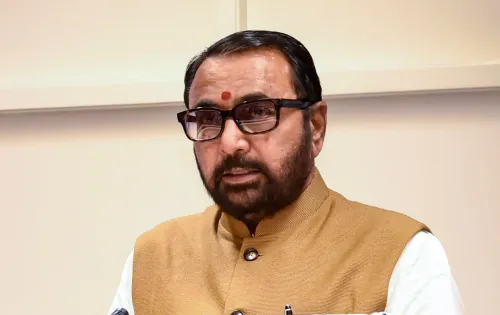
Tarkeshwar Jain cited a rise in misleading remarks across print, digital, and social media platforms.
Homoeopathy is a legally recognised medical system under the National Commission for Homoeopathy Act, 2020 , with medicines regulated under the Drugs and Cosmetics Act, 1940 .
Admissions to Homoeopathy programmes are conducted through NEET , the same entrance test used for allopathic medicine.
The NCH warned it may pursue legal recourse against deliberate attempts to spread baseless or defamatory information.
Complaints against individual practitioners must be addressed through statutory or judicial channels , not broad generalisations.
The National Commission for Homoeopathy (NCH) on Wednesday, 10 June issued a formal advisory directing media organisations, healthcare institutions, professional bodies, and social media users to ensure factual accuracy before making public statements about Homoeopathy or registered homoeopathic practitioners. The circular marks a significant regulatory intervention amid what the Commission described as a rise in unsubstantiated and defamatory claims circulating across multiple media platforms.
What Prompted the Advisory
NCH Chairperson Dr. Tarkeshwar Jain stated that the Commission had taken serious cognisance of instances where defamatory and unsubstantiated remarks about Homoeopathy were being circulated across print, electronic, digital, and social media platforms. He stressed that responsible communication and fact-based discourse are essential when discussing any recognised medical system. This advisory comes amid a broader national conversation about the role of alternative medicine in India's public health framework.
Legal and Regulatory Standing of Homoeopathy
Dr. Jain underscored that Homoeopathy is a legally recognised system of medicine under the National Commission for Homoeopathy Act, 2020. Homoeopathic medicines are regulated under the Drugs and Cosmetics Act, 1940, and education in the field follows a structured academic framework prescribed by the Commission. Admissions to undergraduate and postgraduate Homoeopathy programmes are made through candidates who qualify the National Eligibility-cum-Entrance Test (NEET) — the same gateway used for allopathic medical education.
Rights and Conduct of Registered Practitioners
The advisory clarified that registered homoeopathic practitioners undergo prescribed education and training and are fully authorised to practise under applicable laws and regulatory provisions. The NCH emphasised that any complaints or allegations against an individual practitioner must be routed through established statutory, regulatory, disciplinary, or judicial channels — and must not be used to make sweeping generalisations against the profession as a whole. This distinction between individual misconduct and systemic criticism is central to the advisory's intent.
Consequences for Deliberate Misinformation
Dr. Jain warned that the Commission may pursue appropriate legal recourse against deliberate attempts to spread baseless, misleading, or defamatory information about Homoeopathy and its practitioners. The NCH reiterated its commitment to maintaining standards of education, professional conduct, and ethical practice, while safeguarding the dignity and lawful standing of registered practitioners. Notably, this is one of the few instances in recent years where a statutory medical commission has explicitly flagged media conduct as a regulatory concern.
Broader Mandate
The NCH stated that the advisory was issued as part of its core mandate to regulate and uphold standards in Homoeopathy and to promote informed, responsible public discourse on the subject. As debates around evidence-based medicine and alternative systems continue to intensify in India, the Commission's intervention signals a more assertive posture in defending the profession's legal and institutional standing.
Point of View
And critics argue that regulatory legitimacy is not the same as clinical efficacy. A more durable solution would involve the NCH proactively publishing robust outcome data rather than relying on legal deterrence. Silencing critics through the threat of litigation risks conflating defamation with legitimate scientific scrutiny — a distinction the Commission must be careful to preserve.
NationPress
23 Sept 2026
Frequently Asked Questions
What is the NCH advisory issued on 10 June about?
The National Commission for Homoeopathy issued an advisory on 10 June directing media organisations, institutions, and social media users to ensure factual accuracy before making public statements about Homoeopathy or its registered practitioners. The advisory also warned of potential legal action against deliberate misinformation.
Is Homoeopathy legally recognised in India?
Yes, Homoeopathy is a legally recognised system of medicine in India under the National Commission for Homoeopathy Act, 2020. Homoeopathic medicines are regulated under the Drugs and Cosmetics Act, 1940, and practitioners are trained through a structured academic framework.
What action can the NCH take against those spreading misinformation?
According to NCH Chairperson Dr. Tarkeshwar Jain, the Commission may pursue appropriate legal recourse against individuals or organisations that deliberately spread baseless, misleading, or defamatory information about Homoeopathy and its practitioners.
How are homoeopathic practitioners admitted and trained?
Admissions to undergraduate and postgraduate Homoeopathy programmes in India are made through candidates who qualify NEET — the same entrance test used for allopathic medical education. Registered practitioners undergo prescribed education and training before being authorised to practise.
How should complaints against individual homoeopathic practitioners be filed?
The NCH advisory specifies that complaints, allegations, or concerns regarding an individual practitioner's conduct must be addressed through established statutory, regulatory, disciplinary, or judicial channels — and should not be used to make broad generalisations against the entire profession.