Diabetes prevention in rural India must be a national priority: Dr Jitendra Singh
Synopsis
Union Minister Dr Jitendra Singh has sounded an alarm: rural India is no longer insulated from the diabetes epidemic, and with over 70 per cent of the population under 40, the stakes for India@2047 are enormous. The launch of the RSSDI digital portal and VISHWAS video library marks a data-driven push to bring specialist diabetes care to villages — but 30 villages is a start, not a solution.
Key Takeaways
Dr Jitendra Singh called for making diabetes prevention a national priority at the RSSDI portal inauguration on 16 August in New Delhi .
The RSSDI Diabetes Rural Outreach Digital Portal and VISHWAS Diabetes Awareness Video Library were officially launched at the event.
The RSSDI Rural Outreach Programme has already covered approximately 30 villages across several states, with further expansion planned.
Over 70 per cent of India's population is below the age of 40 , making youth health protection central to the India@2047 vision.
The digital portal will enable systematic patient documentation, outcome monitoring, and generation of real-world rural health data for policymakers.
Dr Singh called for coordinated action among government, academia, technology partners, private sector, and local healthcare workers.
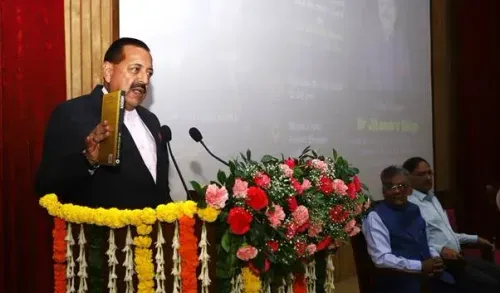
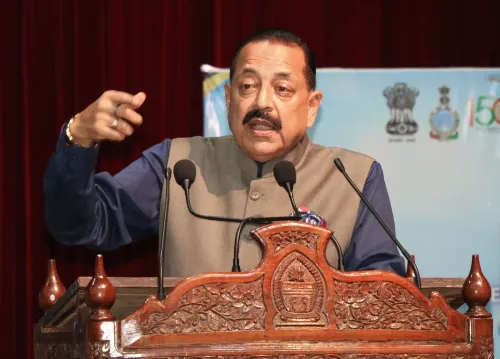
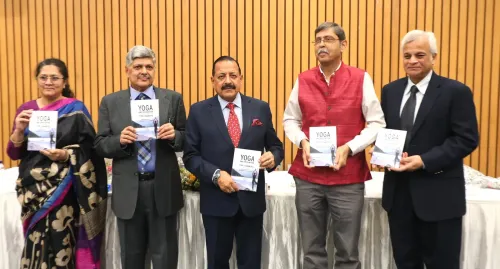
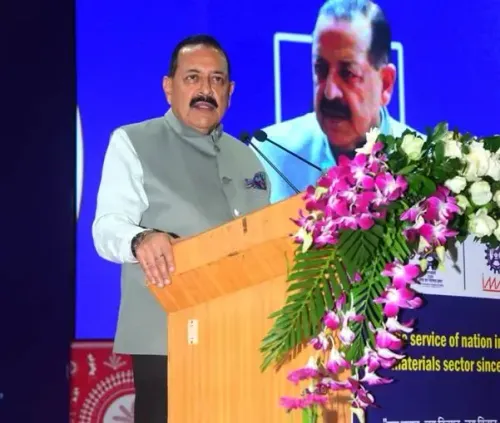
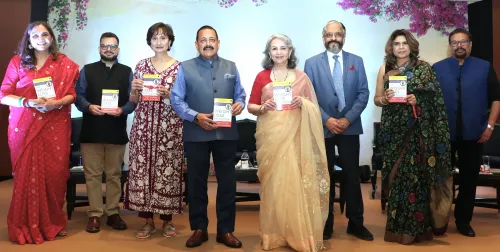
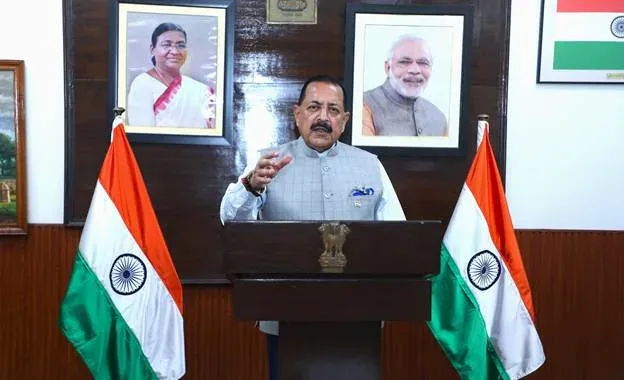
Union Minister of State Dr Jitendra Singh on Sunday, 16 August called for elevating diabetes prevention to a national priority, warning that rural India is no longer shielded from the diabetes epidemic and urgently needs a community-led, technology-enabled, and data-driven response. His remarks came at the inauguration of the Research Society for the Study of Diabetes in India (RSSDI) Diabetes Rural Outreach Digital Portal and the launch of VISHWAS, a dedicated Diabetes Awareness Video Library, in New Delhi.
Key Developments
Addressing the twin launches, Dr Singh stressed that prevention, early detection, timely intervention, and sustained follow-up are indispensable to curbing the rising burden of diabetes and its complications across the country. He underlined that India's healthcare and digital innovation gains must now be directed toward rural and underserved communities, where the disease has begun spreading at an accelerating pace.
The minister pointed to a critical demographic reality: more than 70 per cent of India's population is below the age of 40. 'Protecting the health and productive potential of the country's young population is essential to the vision of India@2047,' he said, framing diabetes control as an economic and developmental imperative, not merely a health concern.
What the RSSDI Programme Is Doing
The RSSDI Rural Outreach Programme has already reached approximately 30 villages across several states, with villages being formally adopted to build structured systems for diabetes awareness, screening, treatment, and long-term follow-up. Dr Singh cited this as a model of how professional medical societies can complement national health efforts by bringing specialist expertise directly to communities.
The newly inaugurated digital portal is designed to strengthen this work by enabling systematic documentation, continuity of patient care, outcome monitoring, and generation of evidence for future public health strategies. Officials indicated that further geographic expansion of the programme is planned in the coming years.
The Case for Real-World Rural Data
Dr Singh argued that combining community-level healthcare delivery with rigorous scientific documentation would generate real-world data from rural India — data that researchers and policymakers currently lack. Such evidence, he said, would help in understanding disease patterns specific to the Indian population and in developing solutions calibrated to local realities, rather than extrapolating from urban or international datasets.
This comes amid growing concern among public health experts that India's diabetes burden — already among the largest in the world — is shifting from cities to villages, where diagnostic infrastructure and specialist access remain limited.
Call for Multi-Sector Coordination
The minister called for deeper cooperation among government agencies, academic institutions, technology partners, private organisations, and local healthcare workers, saying that diabetes prevention and management cannot be addressed by any single actor. A coordinated, multi-stakeholder approach, he argued, is the only viable path to meaningful reduction in disease burden at scale.
With the RSSDI portal now live and VISHWAS providing accessible awareness content, the initiative represents an early step toward that vision — though the scale of rural India's diabetes challenge means the work ahead remains substantial.
Point of View
But the epidemiological reality has moved on. The minister's warning that rural India is no longer untouched is backed by emerging field data — yet the response, 30 villages across a country of 600,000-plus, underscores how early-stage this effort remains. The RSSDI portal's real value will be in the data it generates: India currently lacks granular rural diabetes prevalence numbers, and without them, policy is largely guesswork. The deeper structural issue — sparse rural diagnostic infrastructure and near-absent specialist access — was acknowledged but not addressed. Community outreach and video libraries are necessary, but insufficient without a parallel investment in rural primary care capacity.
NationPress
1 Oct 2026
Frequently Asked Questions
Why is Dr Jitendra Singh calling diabetes prevention a national priority?
Dr Jitendra Singh has called for making diabetes prevention a national priority because rural India is increasingly affected by the diabetes epidemic, and with over 70 per cent of India's population below the age of 40, unchecked diabetes poses a major threat to the country's productive workforce and the India@2047 development vision.
What is the RSSDI Diabetes Rural Outreach Digital Portal?
The RSSDI Diabetes Rural Outreach Digital Portal is a newly launched digital platform by the Research Society for the Study of Diabetes in India, designed to enable systematic documentation of patient care, continuity of treatment, outcome monitoring, and generation of real-world health data from rural communities to inform future public health policy.
What is VISHWAS and what does it do?
VISHWAS is a Diabetes Awareness Video Library launched alongside the RSSDI digital portal. It is designed to deliver accessible, community-level awareness content on diabetes prevention, early detection, and lifestyle modification to rural populations across India.
How many villages has the RSSDI Rural Outreach Programme reached so far?
The RSSDI Rural Outreach Programme has reached approximately 30 villages across several states as of the launch event on 16 August. Each village is formally adopted to create a structured system covering diabetes awareness, screening, treatment, and long-term follow-up, with further expansion planned in coming years.
Who needs to work together to address India's rural diabetes burden?
Dr Jitendra Singh called for coordinated action among government agencies, academic institutions, technology partners, private organisations, and local healthcare workers, arguing that no single actor can address the scale of the diabetes challenge in rural India on its own.