Chhath Puja 2026: Bihar concludes Usha Arghya; CM Samrat Choudhary prays in Munger
Synopsis
Bihar's Chhath Puja 2026 reached its peak before dawn on 16 November, as millions broke a 36-hour waterless fast by offering Usha Arghya to the rising Sun. Chief Minister Samrat Choudhary joined the rituals at Munger — a moment that captures how deeply this festival cuts across the political and the personal in Bihar.
Key Takeaways
Chhath Puja 2026 concluded across Bihar on 16 November with the Usha Arghya ritual at dawn.
Devotees ended a 36-hour nirjala (waterless) fast after offering prayers to the rising Sun.
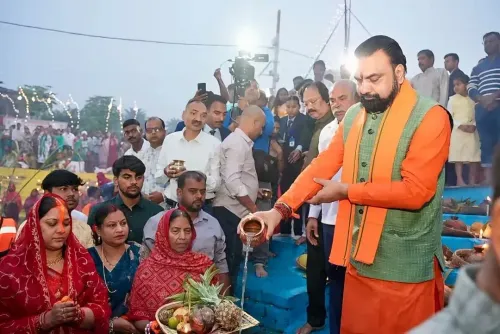
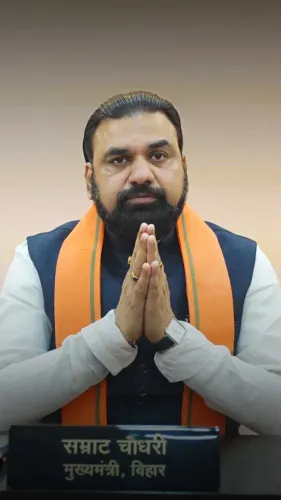
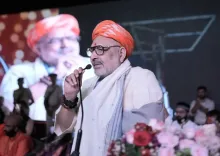
Bihar Chief Minister Samrat Choudhary performed Chhath rituals at the Lakhanpur ghat in Munger .
The Patna district administration prepared 90 Ganga ghats and 62 pond-side ghats for the festival.
13 ghats were declared dangerous and closed to devotees as a safety precaution.
The four-day observance followed the sequence: Nahay-Khay → Kharna → Sandhya Arghya → Usha Arghya .
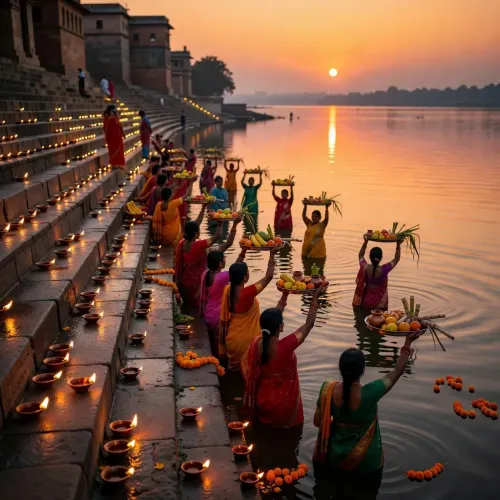
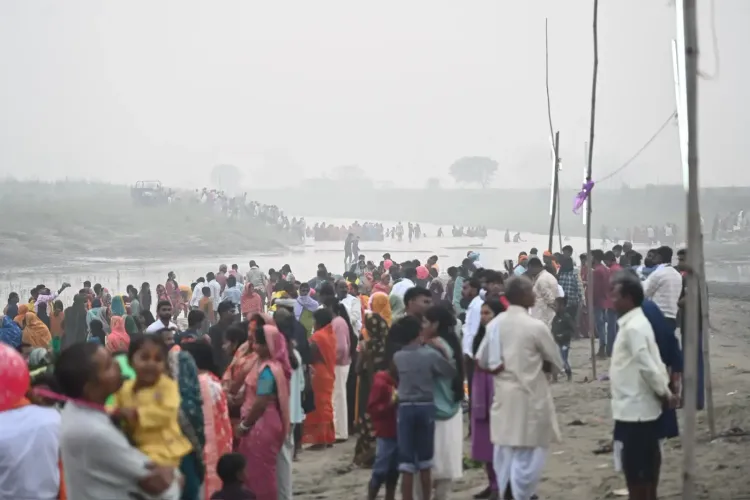
The four-day Chhath Puja festival wrapped up across Bihar on Monday morning, 16 November, as millions of devotees gathered at riverbanks, ponds and water bodies to offer Usha Arghya — the final ritual salutation to the rising Sun — marking the grand conclusion of one of India's most demanding religious observances. The culmination ended a 36-hour nirjala (waterless) fast kept by devotees across the state.
Final Rituals and the Usha Arghya
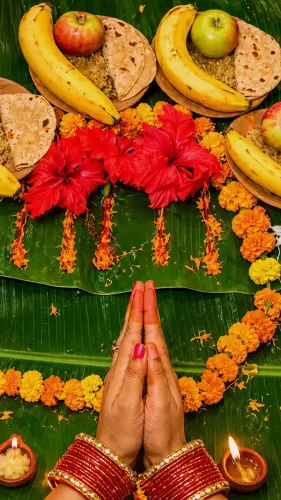
From the early hours of Monday, large crowds converged on Chhath ghats in Patna and across Bihar, carrying traditional bamboo baskets laden with fruits, thekua and other offerings. Standing waist-deep in water bodies, devotees performed the Usha Arghya as the first light of dawn touched the horizon, filling the ghats with the sound of traditional Chhath songs dedicated to Chhathi Maiya. After the ritual, worshippers sought blessings from the Sun God for happiness, prosperity, good health and family well-being before breaking their fast with Prasad.
Chief Minister Offers Prayers in Munger
Bihar Chief Minister Samrat Choudhary observed the Chhath rituals at the ghat in Lakhanpur, situated in his home district of Munger. Offering Arghya to the rising Sun, he prayed for peace, happiness and prosperity for the people of Bihar. His participation reflected the festival's broad significance across political and social spheres — from ordinary citizens to public figures, the state united in devotion.
The Four-Day Observance: A Timeline
The festival commenced on Friday with Nahay-Khay, the ritualistic bath and meal that opens proceedings, followed by Kharna on Saturday — when devotees prepare and consume a special meal before beginning the fast. The gruelling 36-hour waterless fast then began, continuing through Sunday evening's Sandhya Arghya — prayers to the setting Sun — before culminating with Monday morning's Usha Arghya.
Patna Administration's Arrangements
The Patna district administration prepared a total of 90 ghats along the Ganga and 62 permanent or temporary pond-side ghats for the festival, covering the stretch from Danapur to Patna City. Elaborate safety, cleanliness and civic amenity measures were put in place at all designated locations. Notably, 13 ghats were declared dangerous and devotees were advised against using them. Puja committees across the city installed decorative lighting and archways, while roads and surrounding areas were cleaned and decorated ahead of the celebrations.
Atmosphere and Significance
This year's Chhath Puja once again underlined its stature as Bihar's most emotionally resonant festival — one that transcends caste and class, drawing the state into a shared expression of faith. The festive energy was visible not just on the banks of the Ganga but in every neighbourhood lane, with traditional Chhath songs echoing from ponds and water bodies across Patna. With the conclusion of Usha Arghya, the four days of devotion that had transformed Bihar's public spaces are now gradually giving way to normalcy.
Point of View
Decorated roads, administration scorecards on ghat numbers — should not overshadow what makes it exceptional: it is one of the few mass religious festivals with no priestly intermediary, rooted entirely in folk tradition. Bihar's administration prepared 152 ghats and still had to close 13 as unsafe, raising a quiet question about year-on-year infrastructure investment versus seasonal scrambles. As Chhath expands beyond Bihar into the diaspora worldwide, the state's ability to manage the festival with safety and dignity is increasingly a matter of national reputation.
NationPress
16 Nov 2026
Frequently Asked Questions
What is Usha Arghya in Chhath Puja?
Usha Arghya is the final and most significant ritual of Chhath Puja, in which devotees offer prayers and oblations to the rising Sun at dawn. It marks the conclusion of the four-day festival and the end of the 36-hour nirjala (waterless) fast observed by devotees.
When did Chhath Puja 2026 conclude in Bihar?
Chhath Puja 2026 concluded on the morning of Monday, 16 November, with the Usha Arghya ritual performed at dawn across Bihar. The four-day festival had begun on Friday with Nahay-Khay.
What did Bihar Chief Minister Samrat Choudhary do on Chhath Puja?
Chief Minister Samrat Choudhary performed Chhath rituals at the Lakhanpur ghat in his home district of Munger, offering Arghya to the rising Sun and praying for peace, happiness and prosperity for Bihar's people.
How many ghats were set up for Chhath Puja in Patna?
The Patna district administration prepared 90 ghats along the Ganga and 62 permanent or temporary pond-side ghats for Chhath Puja 2026, covering the full stretch from Danapur to Patna City. Of these, 13 ghats were declared dangerous and closed to devotees.
What is the sequence of rituals in Chhath Puja?
Chhath Puja follows a four-day sequence: Nahay-Khay (ritualistic bath and meal) on the first day, Kharna (preparation and consumption of a special meal before the fast) on the second, Sandhya Arghya (prayers to the setting Sun) on the third evening, and Usha Arghya (prayers to the rising Sun) on the fourth morning, which concludes the festival.