CM Samrat Choudhary greets Bihar on Kharna, Chhath day two
Synopsis
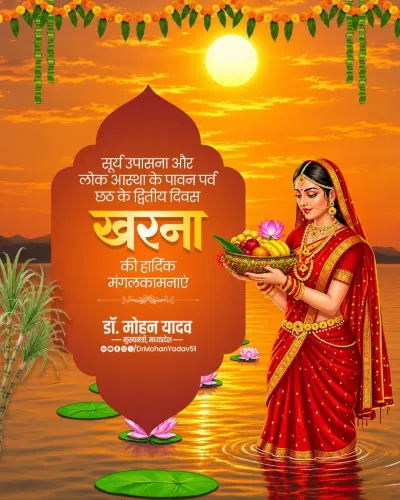
Bihar CM Samrat Choudhary extended Kharna greetings on November 14, 2026, invoking Chhathi Maiya and the Sun God as millions of devotees began the 36-hour waterless fast central to Chhath Puja's most sacred phase.
Key Takeaways
Kharna , Chhath's second day, was observed on Saturday, November 14, 2026 .
Bihar CM Samrat Choudhary posted a greeting on X invoking Chhathi Maiya and Bhagwan Bhaskar for peace, health, and prosperity.
Devotees consume sacred kheer prasad on Kharna before beginning a 36-hour nirjala (waterless) fast .
The festival is a defining cultural event for Bihar , observed by Bihari communities across India and abroad.
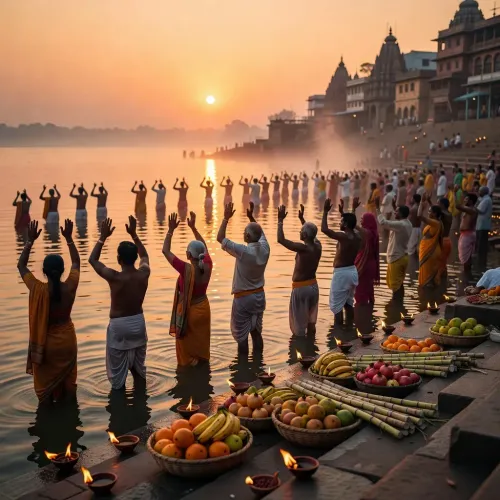
The main riverside rituals — Sandhya Arghya and Usha Arghya — follow on the subsequent two days at ghats along Bihar's major rivers.
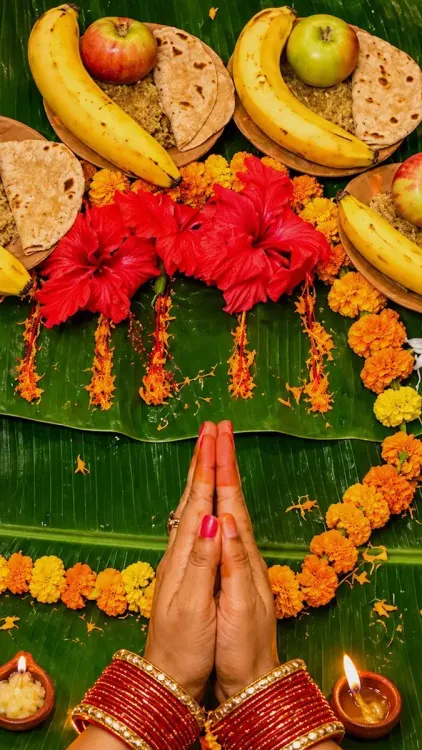
On the sacred second day of Chhath Puja, millions of devotees across Bihar and beyond observed Kharna — the ritual of breaking a daylong fast and then committing to a gruelling 36-hour waterless fast that stretches through the festival's most dramatic moments. Bihar Chief Minister Samrat Choudhary marked the occasion on Saturday, November 14, 2026, with a heartfelt message on X, invoking Chhathi Maiya and Bhagwan Bhaskar — the Sun God — for the peace, health, and prosperity of all.
Posting in Hindi, CM Choudhary described Chhath as 'lokastha aur pavitrata ka mahaparvʼ — a great festival of public faith and purity. He noted that on Kharna day, devotees worship Chhathi Maiya with complete devotion, partake of prasad, and then take the solemn pledge of the 36-hour nirjala vrat — a fast without a single drop of water. His closing cry, 'Jai Chhathi Maiya!', captured the collective spirit of a festival that is as much about community resolve as it is about individual prayer.
What Kharna means in the Chhath calendar
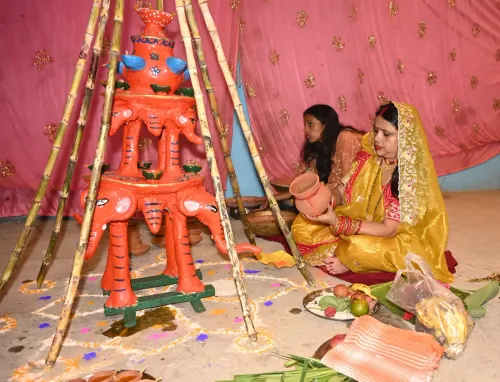
Chhath Puja unfolds over four days, each carrying its own ritual weight. Kharna, the second day, is the hinge on which the entire festival turns. Devotees cook kheer — a sweet rice-and-jaggery pudding — as sacred prasad, offer it to Chhathi Maiya after sunset, and then consume it themselves before beginning the unbroken fast that will carry them through the evening arghya (sunset offering) and the morning arghya (sunrise offering) over the next two days. The fast is among the most demanding in the Hindu calendar — no water, no food, sustained entirely by devotion.Chhath, Bihar identity, and political salience
For Bihar, Chhath is not simply a religious festival — it is a defining cultural marker, observed with equal fervour by Bihari communities from Patna to Mumbai to diaspora settlements abroad. The festival's emphasis on simplicity, purity of body and spirit, and communal riverbank rituals cuts across caste and class in a way few events do. It is no surprise, then, that Bihar's political leadership treats public engagement during Chhath as a moment of genuine connection with the electorate. CM Choudhary's message follows a well-established tradition of senior leaders acknowledging the festival's centrality to Bihar's social fabric. With the main riverside rituals — the Sandhya Arghya at sunset and the Usha Arghya at sunrise — now on the immediate horizon, ghats along the Ganga, Gandak, Kosi, and other rivers across the state will fill with hundreds of thousands of devotees, standing waist-deep in water to offer prayers to the rising and setting sun.Point of View
But they also reflect something more structural: in a state where Chhath transcends religious identity to function as a shared social ritual, acknowledging the festival is a baseline expectation of governance, not merely an optional outreach gesture. CM Choudhary's message, emphasising communal well-being — 'sukh, shanti, aarogya aur samriddhiʼ — mirrors the language Bihar's leaders have deployed during Chhath for decades, underscoring the festival's role as a rare moment of broad-spectrum political consensus. For the BJP in Bihar, sustained engagement with Chhath imagery and messaging reinforces the party's claim to cultural rootedness in the state's most emotionally resonant tradition.
NationPress
14 Nov 2026
Frequently Asked Questions
What is Kharna in Chhath Puja?
Kharna is the second day of Chhath Puja, on which devotees break their daylong fast by offering and consuming sacred kheer (rice-and-jaggery pudding) before beginning a strict 36-hour waterless fast that lasts through the sunset and sunrise offerings.
What did Bihar CM Samrat Choudhary say on Chhath 2026?
CM Samrat Choudhary posted a message on X on November 14, 2026 , invoking Chhathi Maiya and Bhagwan Bhaskar and praying for the happiness, peace, good health, and prosperity of all devotees.
What is the 36-hour nirjala vrat in Chhath?
The 36-hour nirjala vrat is a continuous fast without water or food, undertaken by Chhath devotees from Kharna night through the sunrise offering ( Usha Arghya ) on the festival's fourth and final morning.
Why is Chhath Puja important in Bihar?
Chhath Puja is Bihar's most significant cultural and religious festival, dedicated to the Sun God and Chhathi Maiya. It draws mass participation at river ghats, cutting across caste and class, and is observed by Bihari communities across India and around the world.
What comes after Kharna in Chhath Puja?
After Kharna, devotees observe Sandhya Arghya — the evening offering to the setting sun — followed by Usha Arghya , the sunrise offering on the final morning, at which point the fast is broken.