Chhath Puja 2026 Day 2: Devotees observe Kharna fast and evening rituals
Synopsis
Chhath Puja's second day, Kharna, sees millions of vratis across India — particularly in Bihar — observe a full-day fast, prepare jaggery kheer as prasad, and perform evening rituals. It is the last moment of eating before the festival's centrepiece: a gruelling 36-hour waterless fast leading to sunrise prayers.
Key Takeaways
Kharna , the second day of Chhath Puja 2026 , is being observed on Saturday, 14 November .
Devotees (vratis) observe a day-long fast , followed by evening worship after a ritual bath.
Traditional Kharna prasad includes jaggery-based kheer and roti , shared with family and community.
Kharna marks the start of the 36-hour nirjala (waterless) fast that runs through the main Sun worship rituals.
The festival began on Friday, 13 November with Nahay-Khay — ritual bathing and a prescribed meal of arwa rice, chana dal, and pumpkin.
The festival concludes on Monday, 16 November with sunrise prayers (Usha Arghya).
Millions of devotees across India are observing Kharna, the second day of the four-day Chhath Puja festival, on Saturday, 14 November, marked by a strict day-long fast, ritual bathing, and evening worship. The day is considered a spiritual threshold before the most rigorous phase of the festival begins.
What Kharna Involves
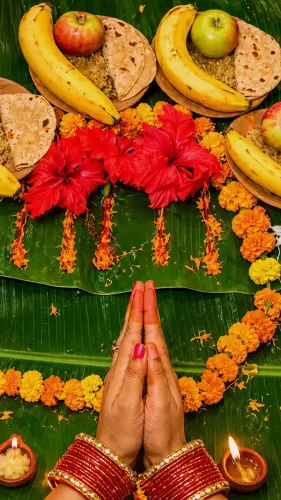
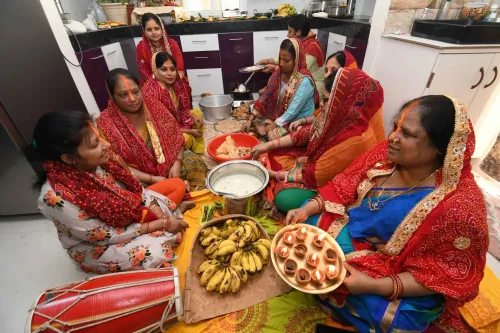
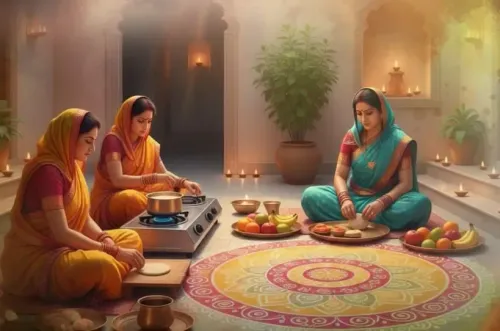
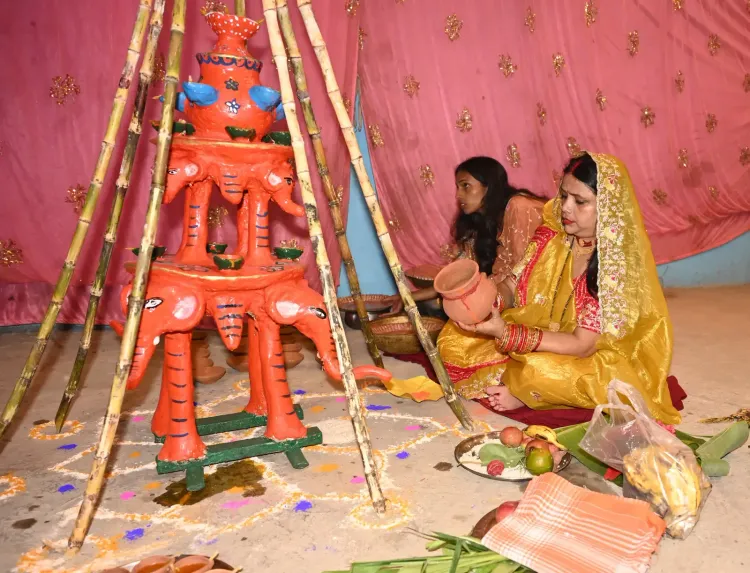
On Kharna, devotees — known as vratis — observe a complete fast through the day before performing prayers in the evening following a ritual bath. The traditional offerings prepared on this day include jaggery-based kheer, roti, and other ceremonial prasad. After dedicating the food to the deity, the vrati partakes of it and distributes the prasad among family members and the wider community.
This marks the transition into the most demanding phase of Chhath: a 36-hour nirjala fast — observed without water — which carries devotees through the main worship rituals dedicated to both the setting and rising Sun.
How the Festival Began: Day 1 — Nahay-Khay
The festival commenced on Friday, 13 November with Nahay-Khay, literally meaning 'bathe and eat'. Vratis took ritual baths, donned clean clothes, and in many cases visited the Ganga and other sacred rivers, believing the holy dip purifies body and mind ahead of the vows to come.
The traditional Nahay-Khay meal is carefully prescribed: arwa rice (non-parboiled rice), chana dal (split Bengal gram), and kaddu (pumpkin). Food preparation follows strict standards of ritual purity, which is considered central to the entire Chhath observance.
Community Participation and Market Activity
Chhath Puja, one of the most significant celebrations of faith in Bihar and several other states, is distinguished by its deeply communal character. Traditional folk songs fill homes from the very first day, while families collaborate to arrange fruits, bamboo baskets (daura), bamboo winnowing baskets (soop), and other ceremonial items.
Markets across towns and villages have witnessed a marked surge in footfall, with vendors stocking seasonal fruits, vegetables, and ritual accessories. The festival places special emphasis on discipline, cleanliness, simplicity, and collective devotion — values that distinguish it from most other major Indian festivals.
What Comes Next: Days 3 and 4
The final two days of Chhath Puja — Sandhya Arghya (evening offering to the setting Sun) and Usha Arghya (morning offering to the rising Sun) — are considered the festival's spiritual climax. Vratis, having completed the nirjala fast, stand in rivers or water bodies to offer prayers, in one of the most visually striking acts of mass devotion in India. The festival will conclude on Monday, 16 November.
Point of View
Requires no temple infrastructure, and is organised almost entirely through community networks. The festival's emphasis on austerity, riverbank access, and collective ritual also makes it unusually sensitive to urban planning and pollution policy: the cleanliness of the Ganga and local water bodies is not an abstract concern here, but a direct condition for observance. That dimension deserves more consistent coverage beyond the festival's visual spectacle.
NationPress
14 Nov 2026
Frequently Asked Questions
What is Kharna in Chhath Puja?
Kharna is the second day of the four-day Chhath Puja festival, observed on 14 November 2026. On this day, vratis (fasting devotees) observe a full day-long fast, bathe ritually in the evening, perform worship, and then break their fast with traditional prasad including jaggery-based kheer and roti, which is shared with family and community.
What is the significance of the 36-hour nirjala fast in Chhath Puja?
The 36-hour nirjala fast — observed without food or water — begins after the Kharna rituals and extends through the main worship ceremonies dedicated to the setting and rising Sun. It is considered one of the most rigorous fasting practices in Indian religious tradition and is central to the spiritual discipline of Chhath Puja.
What happened on Day 1 of Chhath Puja 2026?
The first day, Nahay-Khay, was observed on Friday, 13 November. Devotees took ritual baths — many at the Ganga and other sacred rivers — wore clean clothes, and ate a prescribed meal of arwa rice, chana dal, and pumpkin, prepared under strict conditions of ritual purity.
Which states celebrate Chhath Puja most prominently?
Chhath Puja is most prominently celebrated in Bihar and is also widely observed across Jharkhand, Uttar Pradesh, and among diaspora communities in major cities across India. It is one of the most significant faith celebrations in the region.
When does Chhath Puja 2026 end?
Chhath Puja 2026 concludes on Monday, 16 November, with Usha Arghya — the morning offering to the rising Sun. Vratis stand in rivers or water bodies at dawn to complete the final ritual, marking the end of their vows and the 36-hour nirjala fast.