CM Samrat Choudhary inspects Ganga ghats for Chhath 2026
Synopsis
Bihar Chief Minister Samrat Choudhary personally inspected Ganga ghats on 5 November 2026, directing officials to ensure cleanliness, security, and free movement ahead of Chhath Puja 2026, calling devotee safety the government's supreme priority.
Key Takeaways
CM Samrat Choudhary personally walked the Ganga ghats in Bihar on 5 November 2026 to review Chhath Puja preparations.
He issued a three-point directive to officials: ensure cleanliness, security, and smooth movement of pilgrims.
The safety and comfort of Chhath vratis and devotees was declared the government's 'supreme priority.' Chhath Puja is a four-day festival dedicated to the Sun God , with rituals conducted directly at river ghats — making ghat readiness critical.
Bihar governments have long treated large-scale Chhath preparations as a full state-machinery exercise involving crowd control, lighting, and sanitation.
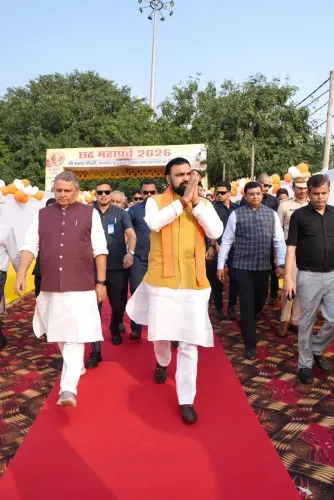
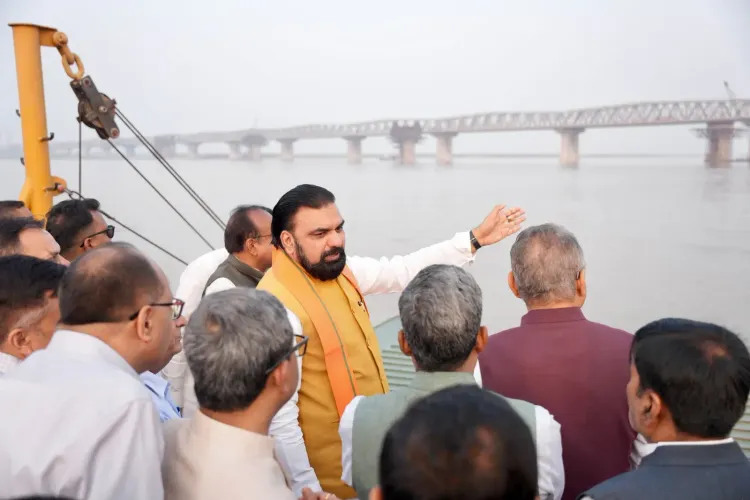
Millions of devotees will line the Ganga's banks in the coming days, and Bihar Chief Minister Samrat Choudhary wants every step of those ghats safe, clean, and accessible before the first ritual lamp is lit. On Thursday, 5 November 2026, the Chief Minister personally walked the Ganga ghats across Bihar to assess preparations for Chhath Puja 2026 — and left officials with direct orders to deliver.
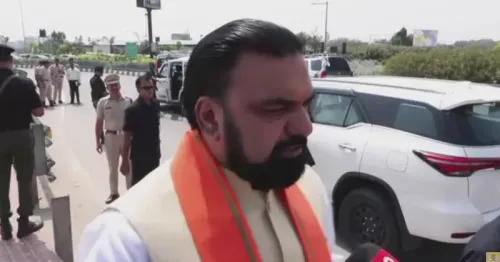
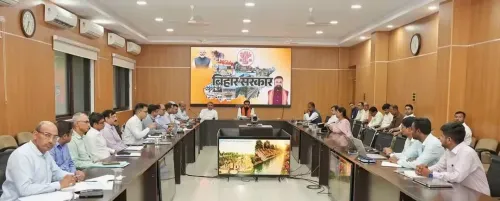
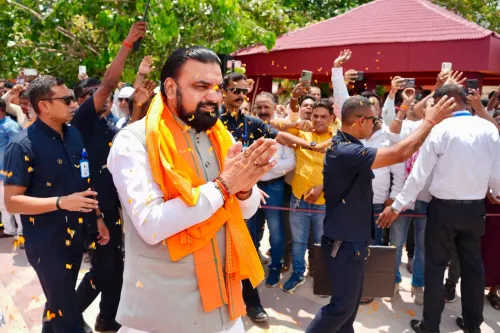
Posting on X alongside four images from the site visit, CM Choudhary wrote: 'लोक आस्था के महापर्व छठ-2026 की तैयारियों को लेकर गंगा घाटों का निरीक्षण किया' — 'I inspected the Ganga ghats regarding preparations for the great festival of public faith, Chhath 2026.' He directed officials to ensure cleanliness, security, and smooth movement of people, and stated that the comfort and safety of Chhath vratis and devotees is the government's 'supreme priority.'
What the inspection covered — and why it matters at this scale
Chhath Puja is not merely Bihar's largest festival — it is one of the most logistically demanding religious events on India's calendar. The four-day celebration, dedicated to the Sun God, centres almost entirely on river-bank rituals: pre-dawn and sunset offerings made while standing in the water. That means hundreds of thousands of worshippers — many of them elderly women — descending simultaneously onto narrow ghat steps, often in darkness.
Bihar administrations have historically treated ghat readiness as a full state-machinery exercise. Crowd-control deployments, temporary lighting, sanitation blocks, barricading of unsafe stretches, and ambulance positioning along the river front are standard interventions ahead of the festival. By conducting the inspection himself, the Chief Minister signals that this year's arrangements will be held to direct accountability — not delegated quietly.
Cleanliness, security, free movement: the three-point mandate
The three directives CM Choudhary issued — swachhata (cleanliness), suraksha (security), and sugam aavagaman (smooth mobility) — are precise enough to function as an audit checklist. Cleanliness at ghats involves both pre-festival clearing of silt and debris and waste management during the festival days themselves. Security covers both crowd management and emergency response. Smooth movement addresses the perennial bottleneck of pilgrims arriving and departing across narrow riverfront approaches.
Together, they represent the full arc of what can go wrong at a high-density riverside event — and what, when done right, turns a potentially hazardous gathering into a dignified, memorable celebration for millions of families.
Point of View
Making its smooth conduct a direct measure of administrative credibility. The three-point mandate (cleanliness, security, mobility) also maps neatly onto past failures at crowded religious sites nationally, suggesting the state is consciously benchmarking against those incidents. With the festival drawing the diaspora home and watched closely by voters, the inspection doubles as both a public-safety move and a political signal.
NationPress
5 Nov 2026
Frequently Asked Questions
When is Chhath Puja 2026 in Bihar?
Chhath Puja 2026 falls in early November 2026, though the precise dates of each of the four ritual days have not been officially confirmed in this announcement.
Why did Bihar CM Samrat Choudhary inspect Ganga ghats?
CM Samrat Choudhary inspected the Ganga ghats to personally review preparations for Chhath Puja 2026 and direct officials on cleanliness, security, and smooth movement of pilgrims.
What is Chhath Puja and why is it important in Bihar?
Chhath Puja is a four-day Hindu festival dedicated to the Sun God, observed with riverside rituals at dawn and dusk. It is Bihar's most widely followed festival, drawing millions of devotees to Ganga ghats annually.
What instructions did CM Samrat Choudhary give for Chhath 2026 preparations?
He directed officials to ensure three things: cleanliness of the ghats, security for devotees, and smooth movement of pilgrims to and from the riverfront.
How does the Bihar government manage Chhath Puja at Ganga ghats?
Bihar's state administration typically deploys crowd control, temporary lighting, sanitation facilities, and emergency services along the ghats ahead of Chhath Puja, with senior officials and in some years the Chief Minister conducting on-site inspections.