Telangana Cabinet Approves Rs 5L Insurance, Diwali Housing Push
Synopsis
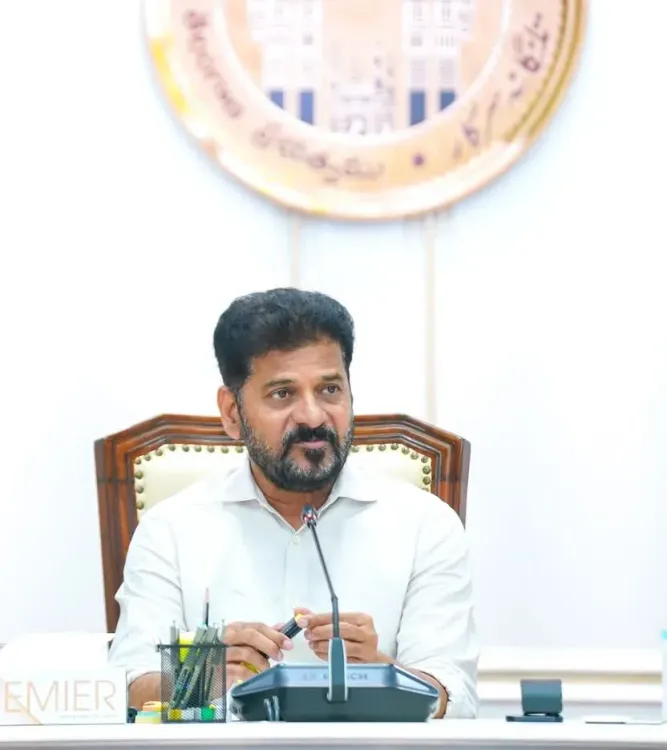
The Telangana cabinet chaired by CM Revanth Anumula on 5 November approved a Rs 5 lakh life insurance scheme for every family, state-wide Diwali celebrations in Indiramma homes, separate SC and ST commissions, a fire safety ordinance, and a survey law amendment.
Key Takeaways
The Telangana cabinet approved the Indiramma Kutumba Jeevitha Bima scheme, offering Rs 5 lakh life insurance to every family in the state, with village-level applications from 20–30 November .
A state-wide Diwali programme called Maa Indiramma Intlo Deepavali will be held across all constituencies, with 2,25,000 Indiramma houses cited as already completed.
A major public rally at Siddipet on 19 November (Indira Gandhi birth anniversary) will launch Indiramma Saree distribution and the new insurance scheme.
The Telangana State Commission for Scheduled Castes and Scheduled Tribes Act, 2003 will be repealed and replaced by two separate commissions, each with one chairperson and five members.
The cabinet cleared an ordinance amending the Telangana Fire Services Act, 1999 , adding mandatory fire-safety responsibilities for property owners.
The appeal period under Section 12(A) of the Telangana Survey and Boundaries Act, 1923 was cut from 60 to 30 days .
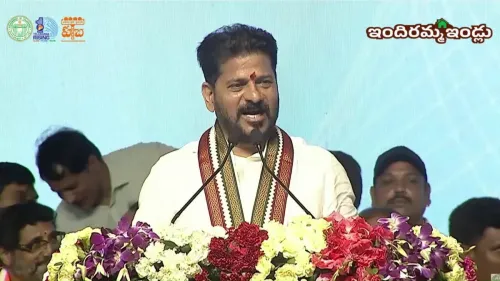
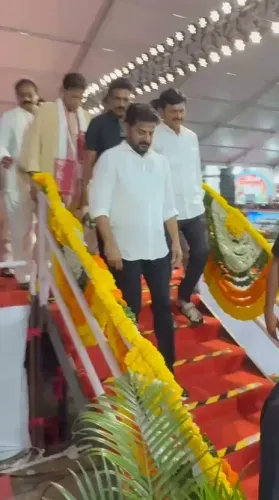
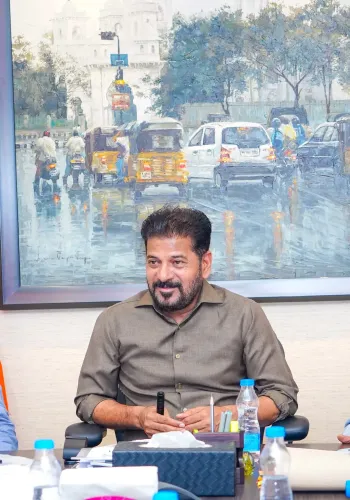
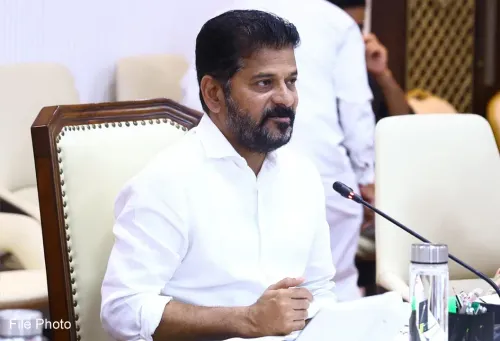
A packed cabinet meeting chaired by Chief Minister Revanth Anumula at Dr B R Ambedkar State Secretariat on 5 November 2026 produced one of the Telangana government's most wide-ranging single-sitting decisions — from celebrating Diwali inside newly built homes to splitting a two-decade-old joint commission into two, overhauling fire safety law, and launching a state-wide life insurance scheme for every family.
Diwali in Indiramma Homes — a Celebration by Design
The cabinet resolved to hold a state-wide programme called 'Maa Indiramma Intlo Deepavali' — 'Diwali in Our Indiramma Home.' With the government claiming 2,25,000 Indiramma Indlu houses already completed across Telangana, the event is a deliberate political statement wrapped in a welfare announcement: ministers and MLAs are directed to celebrate Diwali with beneficiaries inside their own constituencies. The optics are unmistakable — Congress hands the symbolic first lamp to families who didn't have a permanent roof before.
The Indiramma Indlu scheme carries deep genealogical significance for the party. The original Indiramma housing programme was a flagship initiative of the Congress government in undivided Andhra Pradesh in the mid-2000s, and the Revanth Anumula administration has consciously revived both the name and the brand equity it carries among economically weaker households.
November 19 at Siddipet — Insurance Launch Tied to Indira Gandhi Jayanti
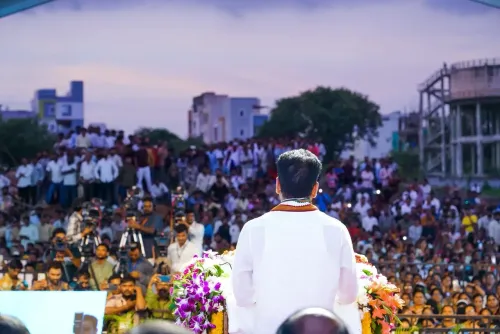
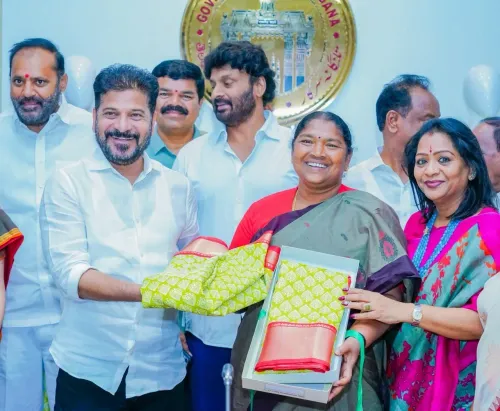
The cabinet picked Siddipet — a district headquarters with strong Congress roots — as the venue for a major public rally on 19 November, coinciding with former Prime Minister Indira Gandhi's birth anniversary. Two launches are set for that day: the Indiramma Saree distribution programme and, critically, the Indiramma Kutumba Jeevitha Bima — a life insurance scheme covering every family in the state for Rs 5 lakh.
Applications for the insurance scheme will be collected across villages from 20 to 30 November, giving the administration a tight ten-day window to reach every household. The scale is ambitious; the execution window is tight. Whether gram-level machinery can absorb an enrolment drive of that breadth in under two weeks will be one of the first real stress-tests for the scheme's credibility.
Separate SC and ST Commissions — Ending a 2003 Joint Structure
In a structurally significant move, the cabinet approved the repeal of the Telangana State Commission for Scheduled Castes and Scheduled Tribes Act, 2003 — dissolving the combined body and replacing it with two independent commissions. Each commission will have one chairperson and five members. The stated rationale is faster grievance redressal: a single body handling complaints from both communities has long been criticised for backlogs and diluted focus.
Separate commissions are not a new idea in Indian federalism — several states operate them independently — but Telangana's decision to formally undo a law more than two decades old signals a readiness for deeper administrative surgery, not just surface-level reform.
Fire Safety Ordinance and Survey Act — Two Older Laws Get Updated
The cabinet cleared an ordinance amending the Telangana Fire Services Act, 1999, prioritising fire prevention, faster identification of causes, and mandatory precautions for owners of houses, apartments, and shopping complexes. This follows a pattern of post-incident regulatory tightening visible across Indian states and suggests the government is responding to fire-safety failures that have drawn public attention.
Separately, the cabinet approved an amendment to Section 12(A) of the Telangana Survey and Boundaries Act, 1923, cutting the appeal window on survey and boundary notices from 60 days to 30 days — a procedural tightening aimed at unclogging the land-dispute pipeline.
Minister Ponguleti, flanked by ministers Adluri and Vakiti Srihari, briefed the media on the full range of decisions. Six distinct policy actions in one sitting — the Revanth cabinet clearly intends November 2026 to be remembered as a month the government moved, not deliberated.
Point of View
From housing to saree distribution to insurance, with a high-visibility rally timed to her birth anniversary. The decision to split the joint SC/ST commission reflects genuine administrative logic but also shores up targeted outreach to two communities whose electoral consolidation was central to Congress's 2023 victory. The fire safety ordinance and survey law amendment, by contrast, are low-drama governance decisions that signal the administration's intent to also move on regulatory modernisation, not just welfare optics. The ten-day insurance enrolment window beginning 20 November is the most consequential pressure-test: scale and speed of on-ground execution will determine whether this scheme becomes a talking point or a template.
NationPress
5 Nov 2026
Frequently Asked Questions
What is the Indiramma Kutumba Jeevitha Bima scheme?
It is a state government life insurance scheme announced by the Telangana cabinet on 5 November 2026 that provides Rs 5 lakh coverage to every family in the state. Applications will be collected in villages from 20 to 30 November 2026.
What is the 'Maa Indiramma Intlo Deepavali' programme?
It is a Diwali celebration programme ordered by the Telangana cabinet in which ministers and MLAs will join beneficiaries of the Indiramma Indlu housing scheme in their own constituencies, marking the completion of 2,25,000 homes across the state.
Why is Telangana dissolving the joint SC/ST commission?
The cabinet decided to repeal the 2003 Act and create separate commissions for Scheduled Castes and Scheduled Tribes — each with one chairperson and five members — to ensure faster and more focused redressal of community-specific complaints.
What changes were made to the Telangana Fire Services Act?
The cabinet approved an ordinance amending the Telangana Fire Services Act, 1999, to impose specific fire-prevention responsibilities on owners of houses, apartments, and shopping complexes and to speed up identification of and response to fire incidents.
What is happening at Siddipet on 19 November 2026?
The Telangana government will hold a large public meeting at Siddipet on 19 November — Indira Gandhi's birth anniversary — to formally launch the Indiramma Saree distribution programme and the Indiramma Kutumba Jeevitha Bima insurance scheme.