CM Revanth Orders Kaleshwaram Barrage Restoration on NDSA Lines
Synopsis
Telangana CM Revanth Reddy chairs a review on restoring Medigadda, Annaram, and Sundilla barrages under NDSA guidelines, approves a Rs 4,193 crore plan with construction firms liable for defect costs, and targets central approvals by month-end and work commencement before year-end.
Key Takeaways
CM Revanth Reddy directed restoration of Medigadda, Annaram, and Sundilla barrages strictly per NDSA and central agency guidelines.
Restoration is estimated at approximately Rs 4,193 crore ; construction companies will bear costs for defect-related repairs.
NDSA has warned that Annaram and Sundilla gates must remain open due to structural flaws, making water lifting technically impossible until repairs are done.
The government claims 24.81 TMC of Godavari water was utilised by October 2026 through Devadula and Sitarama lift schemes.
Final central approvals are targeted by end of November 2026 , with physical works to begin before year-end in two phases.
CM cited the incomplete Pranhita project as a missed low-cost alternative and attributed barrage failures to construction flaws under the previous government.
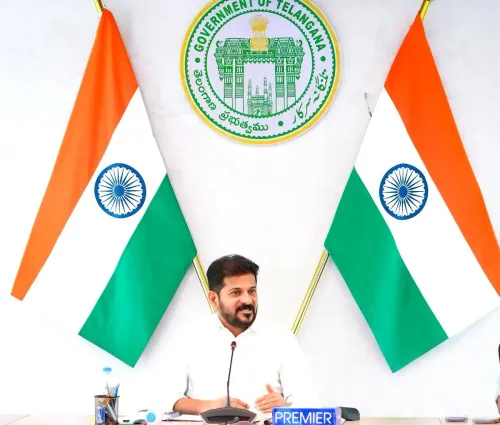
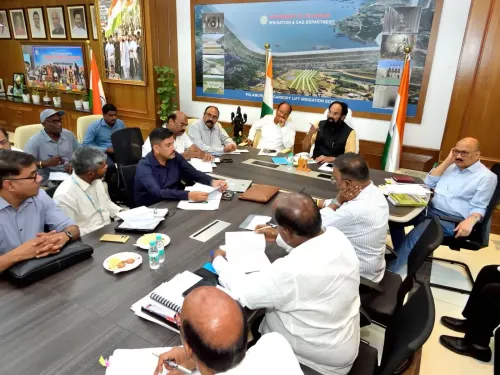
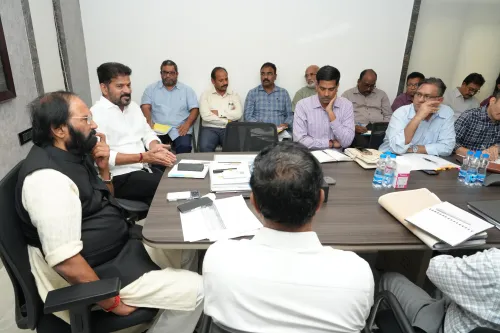
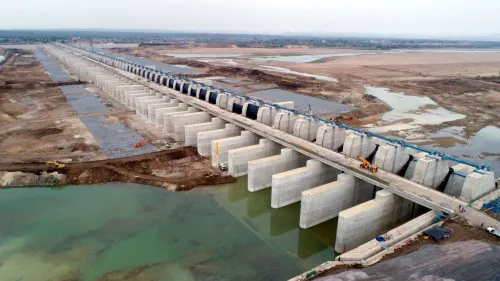
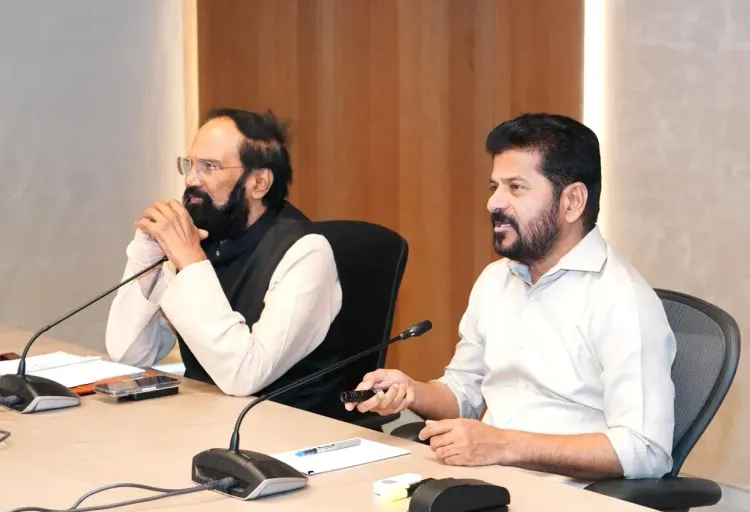
Three damaged barrages, a Rs 4,193 crore repair bill, and a hard deadline before year-end — Telangana Chief Minister Revanth Reddy convened a high-level review on Thursday, 5 November 2026, directing officials to restore the Medigadda, Annaram, and Sundilla barrages of the Kaleshwaram Lift Irrigation Project strictly in line with recommendations from central government bodies and dam safety experts.
What the review meeting decided
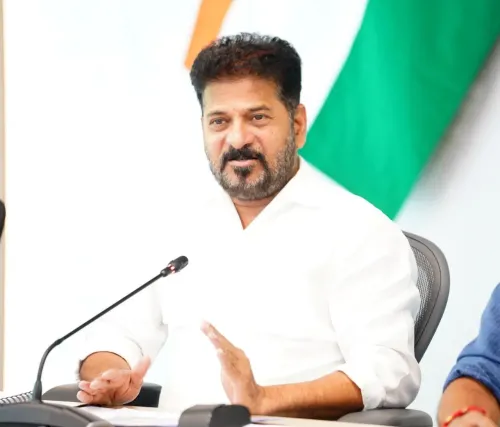
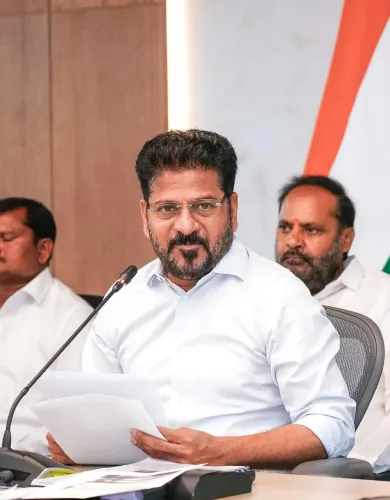
The Chief Minister's Office of Telangana posted a detailed account of the review, in which CM Revanth Reddy instructed engineers and ministers that the government bears the responsibility of ensuring the mistakes of the previous administration are not repeated. Irrigation Department engineers briefed the CM through a PowerPoint presentation, explaining that water visible at Medigadda cannot technically be lifted under present structural conditions — a point the CM asked ministers to actively counter in public discourse, calling ongoing claims to the contrary 'misinformation.'
The presentation made clear that for water lifted at Medigadda to reach Yellampalli, the gates at Annaram and Sundilla must be closed. However, the National Dam Safety Authority (NDSA) has specifically warned that those gates must remain open due to structural defects — leaving the system effectively inoperable until restoration is complete.
Rs 4,193 crore plan and who pays what
Officials presented a restoration proposal estimated at approximately Rs 4,193 crore, already granted in-principle approval by a central government expert committee. The cost-sharing framework is pointed: repair expenses arising from construction defects will be borne by the construction companies responsible, while costs for additional remedial works will be absorbed by the state government. Irrigation Minister Uttam Kumar Reddy and department officials walked the meeting through the detailed restoration plan.
CM Revanth directed all processes to run in parallel to avoid delays. He set a target of securing final central approvals by the end of this month and commencing physical works before the end of 2026. Restoration and protection works are to be executed in two phases, with NDSA guidelines as the non-negotiable benchmark.
Godavari water use and the Pranhita argument
The CM presented the government's water-utilisation record as evidence that Kaleshwaram's paralysis has not halted Godavari-based irrigation. He stated that through the Devadula and Sitarama lift schemes, 24.81 TMC of Godavari waters had been utilised by October this year — 16.71 TMC via Devadula and 8.10 TMC via Sitarama — supplying irrigation and drinking water to the erstwhile districts of Warangal, Nalgonda, and Khammam.
He also invoked the unbuilt Pranhita project, arguing that had a barrage been constructed at Tummidihatti and the Pranhita scheme completed, the state would have had a low-cost, drought-resilient alternative to bring water to Yellampalli. The remark was a pointed critique of strategic choices made under the previous BRS government, which formally inaugurated the Kaleshwaram project in 2019.
Officials and the road to central clearance
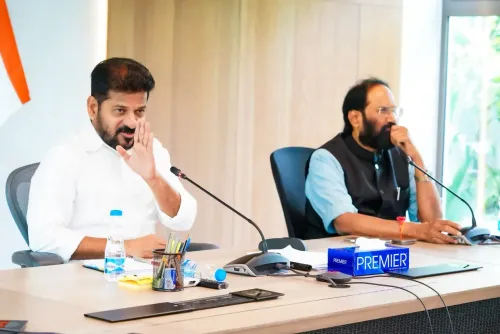
The meeting was attended by Irrigation Secretary Sridhar, Tunnels and Safety Secretary Colonel Parikshit Mehra, Joint Secretary Srinivas, and other senior officials. A comprehensive structural study of all three barrages has been completed with inputs from national-level experts and central technical agencies, officials confirmed. CM Revanth directed them to coordinate urgently with central government bodies to expedite the remaining approvals.
The Kaleshwaram project, the most expensive irrigation initiative in Telangana's history, now has a concrete restoration timeline and a price tag. Whether the approvals land before November's end will determine if the state's farming belt gets its lifeline back before the next kharif season.
Point of View
Framing every engineering problem as a governance indictment of the prior administration. The Rs 4,193 crore cost-recovery clause — holding construction firms liable for defect repairs — signals an attempt to establish legal and financial accountability that doubles as political optics. The two-phase approach and NDSA compliance framing are designed to insulate the government from future safety liability while positioning it as the responsible steward of Telangana's most ambitious irrigation asset. With kharif season pressures looming, the speed of central approvals will test whether the political narrative holds up against engineering timelines.
NationPress
5 Nov 2026
Frequently Asked Questions
Why can't water be lifted from Medigadda barrage right now?
Irrigation Department engineers have explained that for water lifted at Medigadda to reach Yellampalli, the gates at Annaram and Sundilla barrages must be closed. However, NDSA has specifically ordered those gates to remain open because of structural defects, making lifting technically impossible under present conditions.
How much will the Kaleshwaram barrage restoration cost?
Officials have prepared restoration proposals estimated at approximately Rs 4,193 crore . Construction companies responsible for defects will bear the repair costs for those faults, while the state government will fund additional remedial works.
When will restoration work on Medigadda, Annaram, and Sundilla begin?
CM Revanth Reddy has directed officials to obtain final central approvals by the end of November 2026 and commence physical restoration works before the end of 2026, structured in two phases.
What is the NDSA and why does it matter for Kaleshwaram?
The National Dam Safety Authority (NDSA) is a central statutory body that sets dam safety standards across India. It conducted investigations into the Medigadda barrage failures and has issued guidelines — including keeping certain gates open — that now govern all restoration work.
How much Godavari water has Telangana used despite Kaleshwaram being non-functional?
The Telangana government states that by October 2026, it utilised 24.81 TMC of Godavari water — 16.71 TMC through the Devadula scheme and 8.10 TMC through the Sitarama scheme — supplying irrigation and drinking water to the erstwhile Warangal, Nalgonda, and Khammam districts.