CM Revanth Orders Maximum Godavari Lift from Devadula, Sitarama
Synopsis
Chief Minister Revanth Reddy directed officials to maximise Godavari water lifts from Devadula, Sitarama and Ellampalli projects, fast-track submerged-village compensation, and strictly follow NDSA safety guidelines at the damaged Medigadda and Sundilla barrages of the Kaleshwaram project.
Key Takeaways
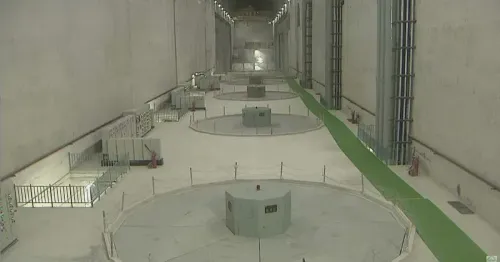
Devadula Lift Irrigation Project is pumping at a record capacity of 9 pumps simultaneously, the highest in its operational history.
CM Revanth Reddy ordered maximum water extraction from Ellampalli, Devadula and Sitarama projects to fill Baswapur and Gouravelli reservoirs.
Pending compensation for submerged villages and agricultural lands under multiple projects must be cleared immediately, with field-level reports ordered from Irrigation and Revenue officials.
A comprehensive study on expanding pumping capacity at Gattu and Goudendoddi schemes was directed, along with consultant appointment for the Goudendoddi Pumped Storage Project .
Water storage at Medigadda, Annaram and Sundilla barrages remains suspended per NDSA directives; structural defects confirmed at Medigadda and Sundilla.
State officials instructed to maintain active consultation with the National Dam Safety Authority before any operational changes at Kaleshwaram barrages.
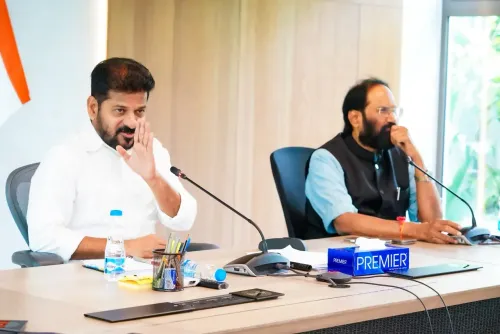
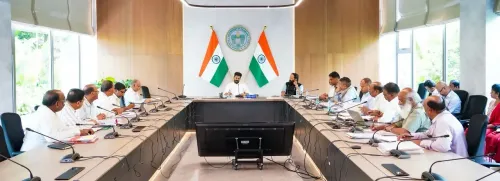
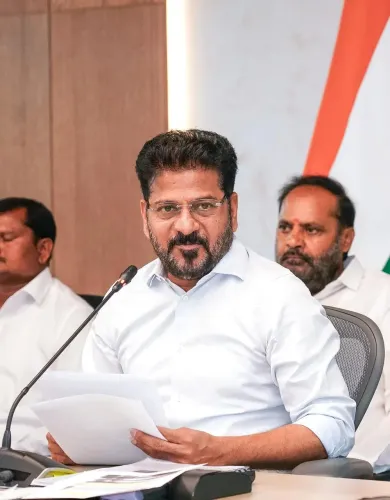
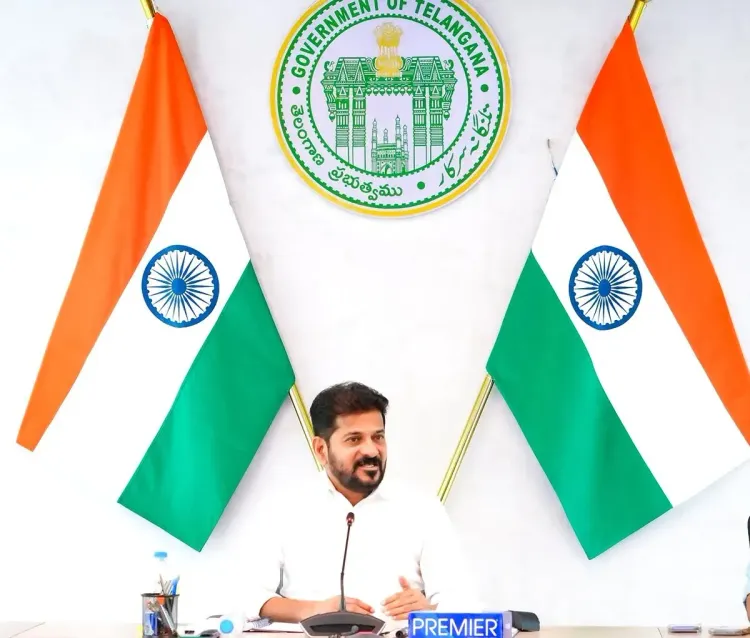
With Telangana sitting on a seasonal Godavari flood pulse, Chief Minister Revanth Reddy has ordered officials to extract every possible litre — directing maximum pumping from the Ellampalli, Devadula and Sitarama lift irrigation projects and fast-tracking long-pending compensation payments to submerged villages. The directive came at a high-level irrigation review held at MCRHRDI, Hyderabad on 12 August 2026.
Record pumping from Devadula — and a push to go further
Water Resources Minister N. Uttam Kumar Reddy told the meeting that Devadula is already lifting water using 9 pumps simultaneously — a scale the project has never operated at before. The Chief Minister responded by pushing for even greater utilisation, instructing officials to identify and resolve any minor technical snags at both Devadula and Sitarama projects without delay. The target is clear: if those bottlenecks are cleared, storage in the Baswapur and Gouravelli reservoirs becomes possible, unlocking irrigation potential for thousands of acres in drought-prone northern Telangana.
Compensation backlog and the villages still waiting
A recurring fault line in Telangana's mega-irrigation story surfaced again at the review: pending compensation for villages and agricultural lands affected by project submergence. The Chief Minister acknowledged that a handful of villages and small parcels of farmland under several projects still await settlement. He directed that an action plan be drawn up immediately to clear these dues, and ordered Irrigation and Revenue department officials to conduct field visits and prepare ground-truth reports on flood-affected villages, compensation status and rehabilitation needs. Villages facing immediate displacement are to receive payment without further delay.
Gattu, Goudendoddi capacity study and a new consultant
Looking beyond the current season, CM Revanth directed a comprehensive feasibility study on expanding the pumping capacity of the Gattu and Goudendoddi lift schemes. He also ordered the appointment of a consultant specifically for the Goudendoddi Pumped Storage Project — a signal that the state is exploring long-term energy-storage potential alongside its irrigation mandate.
NDSA guidelines govern Medigadda, Sundilla and Annaram
The meeting confronted one of Telangana's most politically sensitive infrastructure questions head-on. Minister Uttam Kumar Reddy confirmed that water is not being stored at the Medigadda, Annaram and Sundilla barrages — all part of the Kaleshwaram Lift Irrigation Project — strictly in compliance with directives from the National Dam Safety Authority (NDSA). The minister further disclosed that structural defects have been found at both Medigadda and Sundilla barrages. The Chief Minister directed officials to remain in active consultation with the NDSA on remedial steps, making clear that safety protocols will not be bypassed for operational gains.
Telangana's Godavari ambitions have always been vast; the harder discipline is making them safe, equitable and functional at the same time. Whether pending compensations are cleared and NDSA consultations yield a timeline for restoring barrage operations will determine whether this review marks a genuine turning point — or another item on a long list of unfinished promises to the farmers waiting downstream.
Point of View
The administration attempts to draw a clean line from its predecessor's execution. The unresolved compensation backlog, however, is a persistent vulnerability — it exposes the gap between project ambition and ground-level delivery that has dogged Telangana's irrigation mega-projects across administrations. Progress on Goudendoddi's pumped-storage consultant and the pace of NDSA consultations will be the real test of whether this review translates into structural change.
NationPress
27 Sept 2026
Frequently Asked Questions
Why is water not being stored at Medigadda barrage in Telangana?
The National Dam Safety Authority (NDSA) has directed that water not be stored at the Medigadda, Annaram and Sundilla barrages due to structural safety concerns. Telangana's Water Resources Minister confirmed that defects have been found at both Medigadda and Sundilla, and the state is following NDSA guidelines strictly.
What is the Devadula Lift Irrigation Project and why is it significant?
Devadula Lift Irrigation Project is a major Godavari-fed scheme designed to supply irrigation and drinking water to drought-prone districts in northern Telangana. It is currently operating at a record level of 9 pumps simultaneously, the highest in its history, as directed by CM Revanth Reddy.
What is the Goudendoddi Pumped Storage Project in Telangana?
The Goudendoddi Pumped Storage Project is a proposed scheme that would combine lift irrigation capacity with energy storage. CM Revanth Reddy ordered the appointment of a consultant to advance its planning, alongside a study to expand the pumping capacity of the Gattu and Goudendoddi lift schemes.
What action is Telangana taking on compensation for villages submerged by irrigation projects?
CM Revanth Reddy directed that an action plan be prepared immediately to clear pending compensation dues for villages and agricultural lands submerged under several projects. Irrigation and Revenue officials have been ordered to conduct field visits and prepare ground-truth reports on displacement, compensation and rehabilitation status.
What is the Sitarama Lift Irrigation Project in Telangana?
Sitarama Lift Irrigation Project is a Godavari-based lift irrigation scheme in Telangana aimed at providing irrigation and drinking water to the state's upland regions. It is one of the key projects from which CM Revanth Reddy has ordered maximum pumping to utilise available Godavari floodwaters.