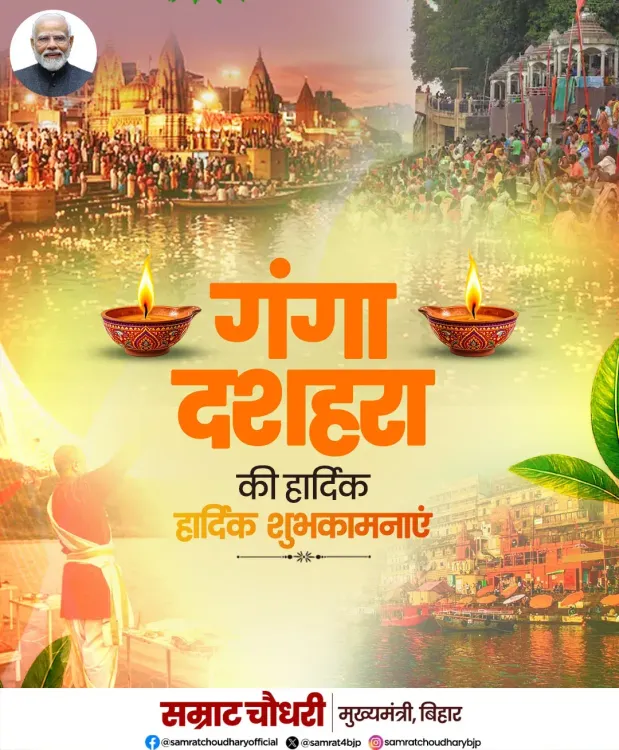
Bihar CM Samrat Choudhary greets nation on Ganga Dussehra
Synopsis
Bihar Chief Minister Samrat Choudhary marked Ganga Dussehra on 25 May 2026 with a national greeting on X, invoking Maa Gange's blessings and calling on citizens to uphold cleanliness, devotion, and humanity — values aligned with ongoing river conservation programmes.
Key Takeaways
Bihar CM Samrat Choudhary posted Ganga Dussehra greetings on 25 May 2026 via X, addressing all citizens of India.
He invoked the blessings of Maa Gange for happiness, peace, prosperity, and positive energy.
The message explicitly called on citizens to adopt values of cleanliness, devotion, and humanity on this auspicious occasion.
Ganga Dussehra commemorates the mythological descent of the river Ganga and is observed with ritual bathing and prayers across the Ganga basin.
The cleanliness emphasis aligns with the Namami Gange mission and Swachh Bharat Mission , both launched in 2014 .
Bihar has major Ganga stretches passing through cities including Patna , Bhagalpur , and Munger , making the message locally significant.
Bihar Chief Minister Samrat Choudhary extended greetings to the nation on the occasion of Ganga Dussehra on Monday, 25 May 2026, invoking the sacred river's blessings and calling on citizens to embrace the values of cleanliness, devotion, and humanity.
Context
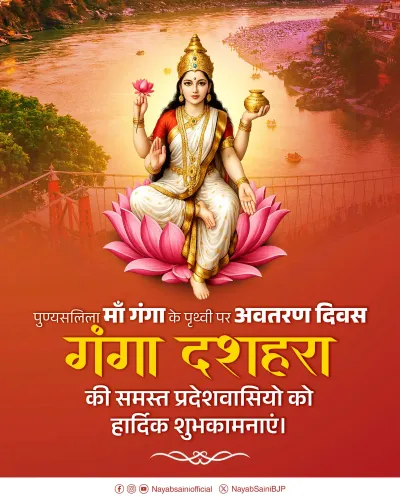
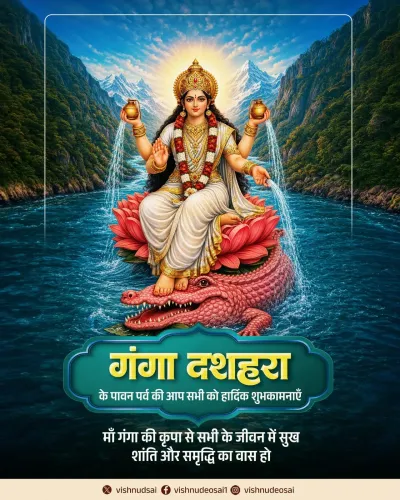
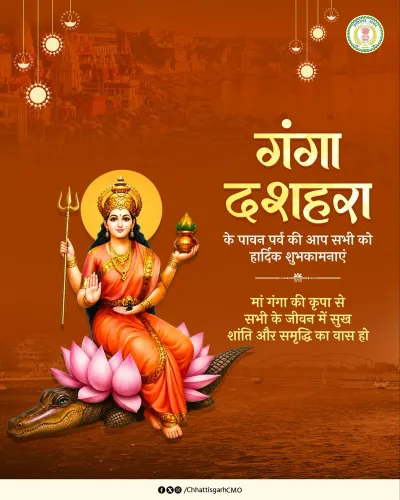
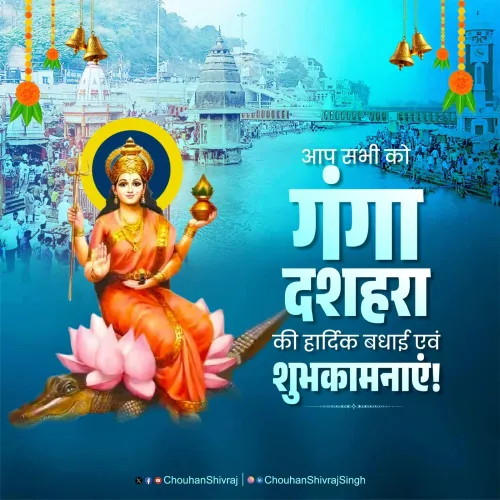
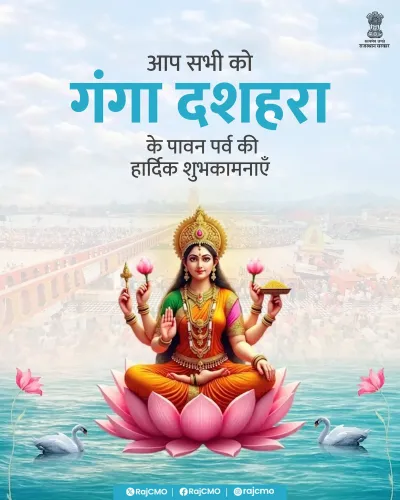
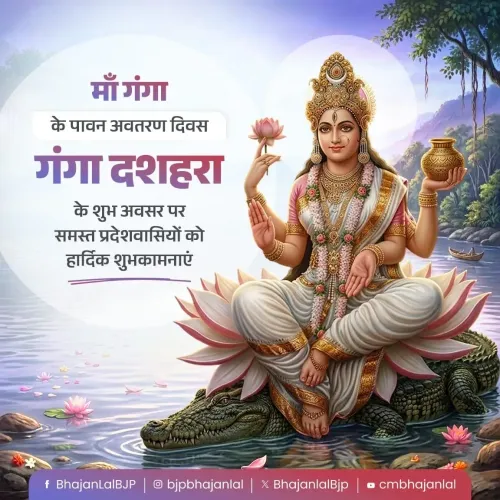
In his post on X, Samrat Choudhary wrote: 'समस्त देशवासियों को पावन पर्व गंगा दशहरा की हार्दिक शुभकामनाएं' ['Heartfelt greetings to all countrymen on the auspicious festival of Ganga Dussehra']. He added that may the grace of Maa Gange bring happiness, peace, prosperity, and positive energy into everyone's lives. He concluded with the devotional chant 'Har-Har Gange', a traditional invocation of the river goddess.
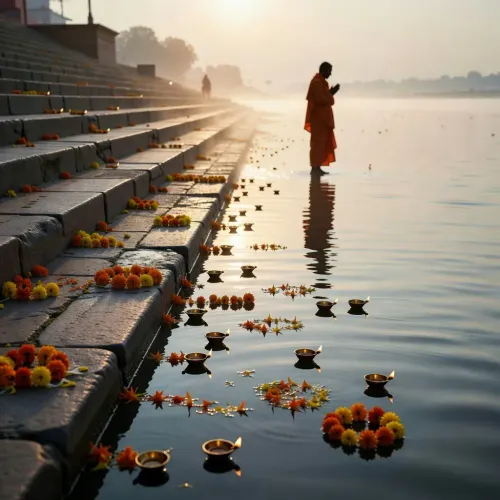
Ganga Dussehra falls on the tenth day of the bright fortnight of the Hindu month of Jyeshtha and commemorates the mythological descent of the river Ganga to earth. The festival is observed with ritual bathing at ghats, prayers, and community gatherings across the Ganga basin, with particularly large congregations in Bihar, Uttar Pradesh, and Uttarakhand.
Policy Backdrop
Choudhary's message explicitly linked the festival to the values of cleanliness — a thread that connects to two major central government programmes. The Namami Gange mission, launched in 2014, is an integrated conservation effort combining pollution abatement, biodiversity restoration, and public awareness campaigns along the length of the river. The Swachh Bharat Mission, also launched in 2014, has explicitly included Ganga river banks and ghats as priority sites for cleanliness drives.
Bihar has several significant stretches of the Ganga passing through it, and ghat development and sewage treatment infrastructure under Namami Gange have been active in cities including Patna, Bhagalpur, and Munger. Festival occasions have consistently been used by state leadership to reinforce public messaging around river conservation alongside religious sentiment.
Stakeholders and Impact
The message resonates with a large cross-section of Bihar's population, where the Ganga is not only a religious symbol but also a source of livelihood for fishing communities, farmers dependent on its floodplains, and urban residents along its banks. Hindu devotees across the country observe Ganga Dussehra with ritual significance, making such outreach from senior political figures a routine but meaningful gesture during the festival calendar.
For the Bharatiya Janata Party, greetings that blend religious observance with cleanliness and development messaging serve a dual purpose: reinforcing cultural identity while associating the party with the tangible outcomes of centrally sponsored river rejuvenation schemes. This pattern is consistent across BJP-governed states in the Ganga basin.
What's Next
Observers will watch for any follow-up state government announcements on ghat development, pollution control measures, or public cleanliness drives timed to the post-festival period in Bihar. Progress reports under the Namami Gange programme for Bihar stretches are expected to reflect the infrastructure investments made over the past several years. The convergence of religious festivals with policy messaging is likely to continue as the 2027 festival season approaches and state governments seek to demonstrate tangible outcomes on river conservation.
Point of View
Such posts also serve as low-cost, high-visibility cultural outreach to a population deeply connected to the river. The consistency of this pattern across BJP-governed states suggests coordinated cultural communication strategy rather than spontaneous personal expression.
NationPress
9 Oct 2026
Frequently Asked Questions
What is Ganga Dussehra and why is it celebrated?
Ganga Dussehra is a Hindu festival observed on the tenth day of the bright fortnight of the month of Jyeshtha, commemorating the mythological descent of the river Ganga from the heavens to earth. Devotees mark it with ritual bathing at ghats, prayers, and offerings, believing a dip in the Ganga on this day washes away sins.
What did Bihar CM Samrat Choudhary say on Ganga Dussehra 2026?
Bihar CM Samrat Choudhary extended greetings to all citizens on Ganga Dussehra, invoking Maa Gange's blessings for happiness, peace, prosperity, and positive energy, and urged people to embrace cleanliness, devotion, and humanity.
What is the Namami Gange programme and how does it relate to Bihar?
Namami Gange is an integrated Ganga conservation mission launched by the central government in 2014 to address pollution, develop river infrastructure, and raise public awareness. Bihar has active project sites along major Ganga cities including Patna, Bhagalpur, and Munger.
Why do BJP leaders often mention cleanliness during Ganga festivals?
BJP leaders routinely link Ganga festival greetings to cleanliness messaging to align religious observance with the party's flagship schemes — Namami Gange and Swachh Bharat Mission — reinforcing both cultural identity and policy visibility among voters connected to the river.
Where does the Ganga flow in Bihar?
The Ganga enters Bihar from Uttar Pradesh and flows through major cities including Patna, Bhagalpur, and Munger before continuing into West Bengal. It is central to the state's religious, agricultural, and economic life.