Gadkari greets nation on Ganga Dussehra 2026

Synopsis
Union Minister Nitin Gadkari marked Ganga Dussehra on 26 May 2026 with a public greeting invoking the sacred river's descent. The festival, observed by millions across the Ganga basin, coincides with the government's sustained conservation push under the Namami Gange programme.
Key Takeaways
Union Minister Nitin Gadkari posted Ganga Dussehra greetings on 26 May 2026 .
Ganga Dussehra marks the descent of the Ganga on the dashami tithi of the Jyeshtha month in the Hindu calendar.
The festival is observed by millions of devotees at ghats in Haridwar , Varanasi , Prayagraj , and other cities along the river.
The Namami Gange programme , launched in 2014 , is the central government's flagship effort to clean and conserve the river.
The Ganga Action Plan Phase I was first approved in 1985 , marking over four decades of policy attention to the river's health.
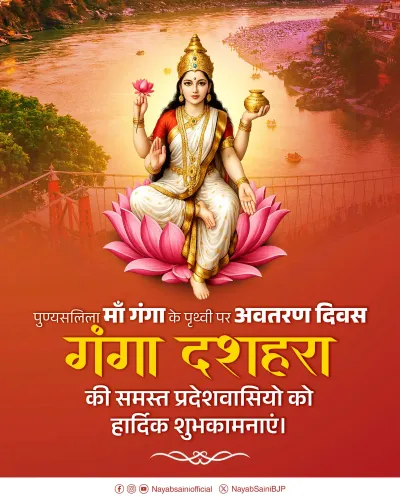
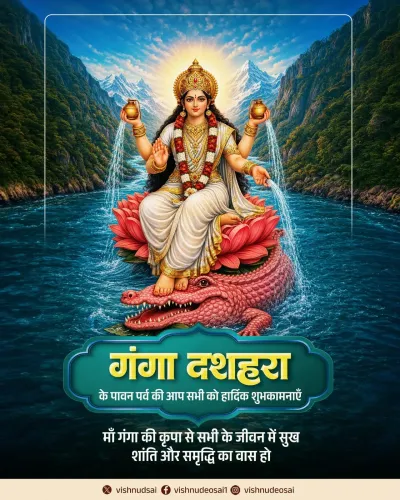
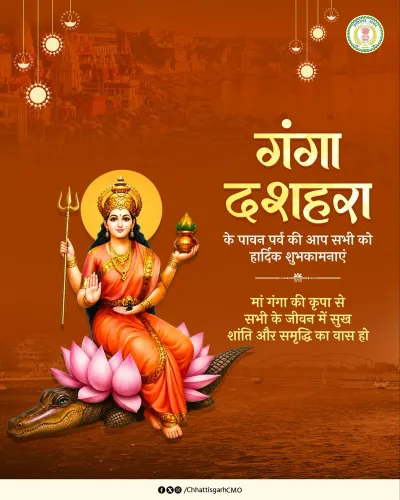
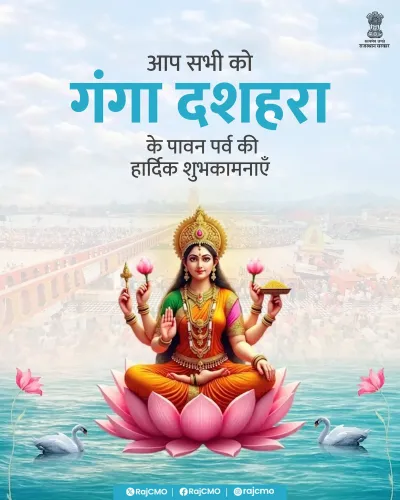
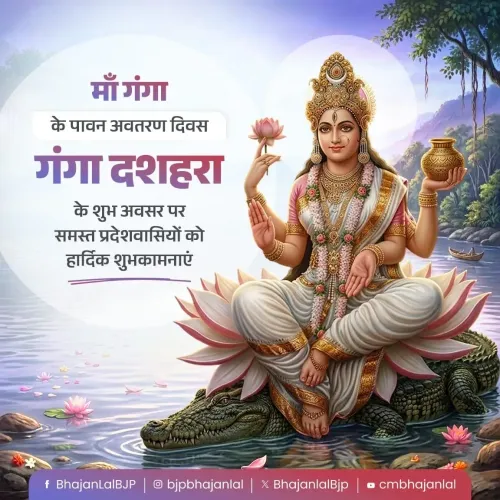
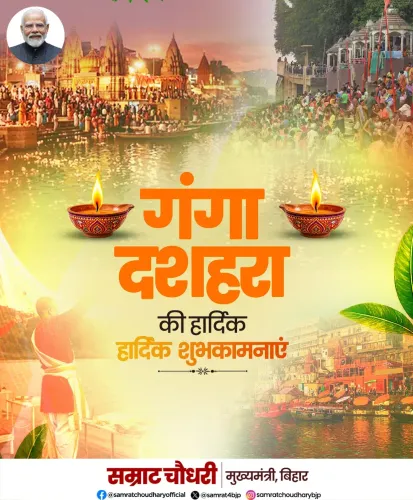
Union Road Transport and Highways Minister Nitin Gadkari extended greetings to the nation on the occasion of Ganga Dussehra on Tuesday, 26 May 2026, marking the festival that commemorates the descent of the sacred river Ganga to earth.
Context
In his post, Gadkari wrote: 'मोक्ष दायिनी माँ गंगा जी के अवतरण दिवस गंगा दशहरा के पावन पर्व की हार्दिक बधाई एवं शुभकामनाएं' — ('Heartfelt congratulations and best wishes on the auspicious occasion of Ganga Dussehra, the day of descent of Moksha-granting Mother Ganga'). The greeting was accompanied by the hashtags #गंगा_दशहरा, #GangaDussehra, and #HarHarGange, the last being a traditional devotional invocation of the river.
Ganga Dussehra is observed on the dashami tithi (tenth lunar day) of the Jyeshtha month in the Hindu calendar. It is regarded as the day the celestial river descended to earth, an event celebrated by millions of devotees across the Ganga basin states including Uttarakhand, Uttar Pradesh, Bihar, and West Bengal.
Policy Backdrop
The cultural reverence for the Ganga has long been mirrored in central government policy. The Ganga Action Plan Phase I, approved in 1985, was among the earliest structured efforts to address municipal and industrial pollution along the river. The Namami Gange programme, launched in 2014, consolidated these earlier efforts into a comprehensive mission aimed at reducing pollution and improving the ecological flow of the river and its tributaries.
Senior ministers and legislators from the ruling Bharatiya Janata Party (BJP) routinely mark religious and cultural festivals with public messages, a practice that reflects the party's stated emphasis on cultural heritage alongside its administrative agenda. For Gadkari specifically, the Ganga carries both symbolic and policy weight, given the government's sustained investment in the river's rejuvenation over the past decade.
Stakeholders and Impact
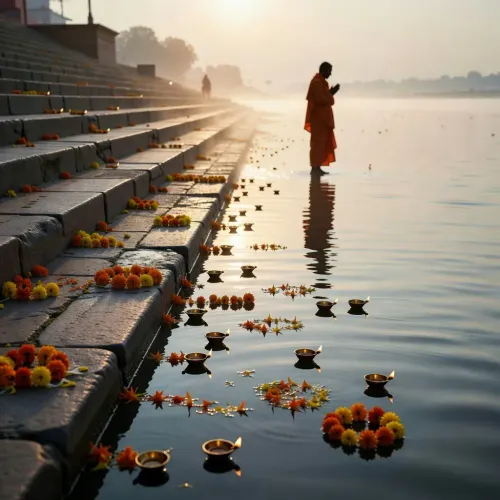
Tens of millions of Hindu devotees observe Ganga Dussehra each year, with large congregations gathering at prominent ghats in cities such as Haridwar, Varanasi, and Prayagraj. Ritual bathing on this day is considered spiritually significant, and the festival draws pilgrims from across the country.
Residents of the Ganga basin — which spans several states and sustains a significant share of India's agricultural and domestic water needs — have a direct stake in the river's health. The convergence of cultural observance and ongoing conservation work under Namami Gange underscores the river's dual role as a living symbol and a critical natural resource.
What's Next
Observers of river conservation policy will watch for updates on Namami Gange project milestones in the coming months, including any announcements expected during the monsoon parliamentary session. The festival period traditionally renews public and political attention on the state of the river, and such occasions have in the past preceded or accompanied policy announcements related to the Ganga basin.
Point of View
Reinforcing the party's consistent effort to align governance with Hindu religious symbolism. The choice to invoke the Ganga specifically — rather than a generic festival message — is notable given the government's decade-long investment in the Namami Gange programme, which attempts to translate that symbolism into measurable environmental outcomes. Such posts serve a dual purpose: they consolidate the party's cultural identity among its core base while keeping a flagship policy initiative in public consciousness. Whether the messaging translates into renewed legislative or budgetary momentum for river conservation will be the more consequential question to track.
NationPress
24 Sept 2026
Frequently Asked Questions
What is Ganga Dussehra and why is it celebrated?
Ganga Dussehra is a Hindu festival observed on the tenth lunar day of the Jyeshtha month, marking the mythological descent of the sacred river Ganga from the heavens to earth. Devotees consider a ritual bath in the Ganga on this day to be especially auspicious and spiritually purifying.
What did Nitin Gadkari say on Ganga Dussehra 2026?
Gadkari posted greetings on X describing the Ganga as 'Moksha-granting Mother Ganga' and offered heartfelt congratulations and best wishes to all on the occasion, using hashtags including #HarHarGange.
What is the Namami Gange programme?
Namami Gange is a central government programme launched in 2014 to consolidate earlier river-cleaning efforts, reduce pollution, and improve the ecological flow of the Ganga and its tributaries across multiple states.
When was the Ganga Action Plan first launched?
The Ganga Action Plan Phase I was approved in 1985, making it one of India's earliest structured policy efforts to address municipal and industrial pollution in the Ganga river system.
Where are the main Ganga Dussehra celebrations held in India?
Major celebrations take place at prominent river ghats in Haridwar, Varanasi, and Prayagraj, where large numbers of pilgrims gather for ritual bathing and prayers on the festival day.