CM Fadnavis Visits Drought-Hit Farmer in Nagpur's Narkhed
Synopsis
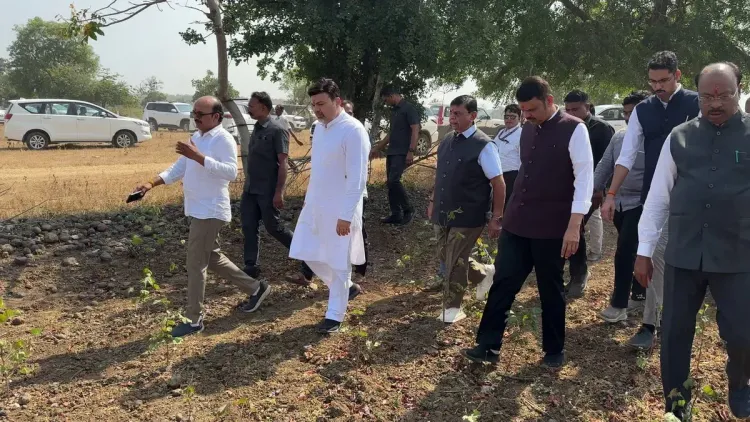
Maharashtra CM Devendra Fadnavis walked the boundary of drought-hit farmer Dilip Sarode's field in Sonegaon Rithi, Narkhed taluka on 8 November 2026, personally surveying crop losses and pledging state support — a signal ahead of potential relief disbursals for Nagpur's Vidarbha belt.
Key Takeaways
CM Devendra Fadnavis personally visited farmer Dilip Sarode's farm at Sonegaon Rithi, Narkhed taluka, Nagpur on 8 November 2026 .
The visit was to survey drought-related crop losses firsthand along the farm boundary.
Fadnavis stated that 'every farmer brother is not alone' and pledged all-out efforts to help them recover.
The post was tagged #DiwaliWithFarmers , emphasising state attention to agrarian distress during the festival season.
Nagpur district lies in the Vidarbha region, historically among Maharashtra's most drought-vulnerable agricultural belts.
The next critical step is a formal crop-loss assessment and compensation disbursal for affected cultivators in Narkhed taluka.
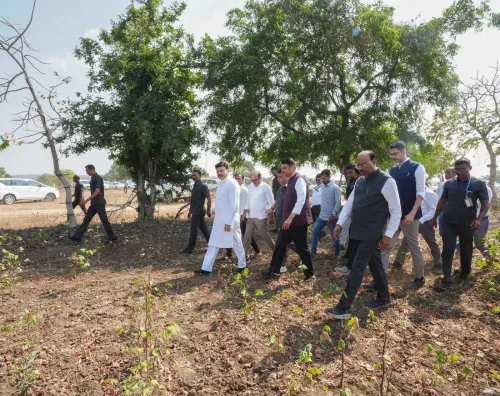
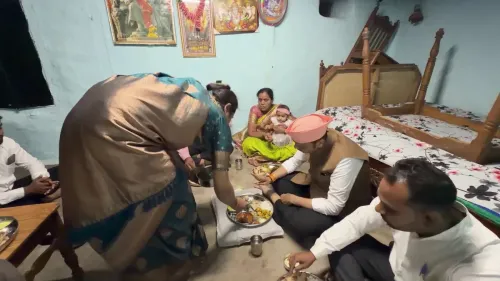
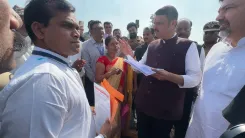
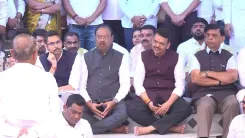
A sitting Chief Minister walking the boundary of a parched farm on a Sunday afternoon — that image, more than any press release, tells the story Maharashtra Chief Minister Devendra Fadnavis wanted to tell on 8 November 2026. Fadnavis visited the field of farmer Dilip Sarode at Sonegaon Rithi in Narkhed taluka, Nagpur district, surveying crop losses caused by drought firsthand.
What Fadnavis saw at Dilip Sarode's farm
Posting in Marathi, Fadnavis described walking along the farm boundary — 'शेताच्या बांधावर जाऊन' (going to the edge of the field) — to personally assess the damage drought had inflicted on standing crops. The post carried the hashtag #DiwaliWithFarmers, a pointed signal that the festival season had not diverted the administration's attention from agrarian distress in the region.
'In this difficult time, every farmer brother of mine is not alone,' Fadnavis wrote. 'We are making every effort to help him recover from this crisis and stand up again.' The language was personal, the register deliberately close — a Chief Minister addressing a community, not a press conference.
Vidarbha's drought cycle and the weight of Nagpur visits
Nagpur district sits inside the Vidarbha belt, a region that has carried the heaviest burden of Maharashtra's recurring agrarian crises — thin soils, erratic monsoons, high input costs, and a suicide rate among farmers that has shadowed the state for two decades. Field visits by sitting chief ministers to individual farms in this belt have become a recognisable political and administrative gesture: they signal that the state machinery is watching, and they typically precede formal drought declarations or relief disbursals.
The policy architecture for such moments is not new. Jalyukt Shivar Abhiyan, launched by the Maharashtra government in 2015 under Fadnavis's first term, attempted to address the structural water-scarcity problem through watershed development and conservation works across drought-prone talukas. Critics and supporters alike have debated its long-term impact — but the programme's very existence reflects how entrenched the drought problem is in Vidarbha and Marathwada.
What farmers in Narkhed are waiting for
Field visits matter most when they translate into compensation. The immediate watch point is whether the state follows Sunday's survey with a formal crop-loss assessment under Maharashtra's relief framework, and when affected cultivators in Narkhed taluka can expect disbursals to reach their accounts. For Dilip Sarode and thousands of neighbours across the district, the symbolism of a Chief Minister at the farm boundary is real — but it is the cheque, or the loan waiver, or the input subsidy that determines whether the kharif season's losses can be absorbed before the next sowing cycle begins.
Diwali passed. The fields in Narkhed are still dry. The administration's next move will tell farmers whether the visit was a promise or a photo.
Point of View
Fadnavis's own political home turf, where being seen on a parched farm boundary is as much constituency management as governance. The broader arc here is Maharashtra's unresolved structural challenge — recurring drought in Vidarbha despite flagship water-conservation programmes — and whether periodic field visits translate into durable policy outcomes or remain seasonal ritual. The administration's credibility will ultimately be tested by the speed and scale of compensation disbursals, not the optics of the survey.
NationPress
8 Nov 2026
Frequently Asked Questions
Why did CM Fadnavis visit a farm in Nagpur on 8 November 2026?
CM Devendra Fadnavis visited farmer Dilip Sarode's field in Sonegaon Rithi, Narkhed taluka to personally inspect crop losses caused by drought and to signal state support for affected farmers in the Vidarbha region.
Which area did Fadnavis visit for the drought survey?
Fadnavis visited Sonegaon Rithi village in Narkhed taluka, Nagpur district — a part of Maharashtra's drought-prone Vidarbha belt.
What did Fadnavis say about drought-affected farmers in Maharashtra?
He stated in Marathi that 'every farmer brother is not alone in this difficult time' and that the government is making every effort to help farmers recover and stand up again.
What is Jalyukt Shivar Abhiyan and how is it relevant to Vidarbha?
Jalyukt Shivar Abhiyan is a Maharashtra government watershed development and water-conservation programme launched in 2015, aimed at reducing drought vulnerability in regions like Vidarbha and Marathwada.
What comes next after the CM's field visit — will farmers get compensation?
The key watch-point is a formal crop-loss assessment and the disbursal of compensation under Maharashtra's agricultural relief framework; Fadnavis's visit is typically a precursor to such announcements for drought-hit talukas.