CM Fadnavis Pushes River-Linking to End Maharashtra Drought
Synopsis
Maharashtra CM Devendra Fadnavis announced from Nagpur on 8 November 2026 that the state will accelerate water conservation and river interlinking projects to achieve permanent drought-proofing, framing farm water security as a government priority under the #DiwaliWithFarmers banner.
Key Takeaways
CM Devendra Fadnavis announced from Nagpur on 8 November 2026 a renewed push to permanently end drought in Maharashtra.
The strategy centres on two pillars: accelerating water conservation infrastructure and fast-tracking river interlinking projects .
Maharashtra's Jalyukt Shivar Abhiyan (launched 2015 ) established village-level water conservation as the earlier foundation of this approach.
India's national river-interlinking plan dates to the 1980s ; execution has been slowed by inter-state disputes, clearances, and financing.
The #DiwaliWithFarmers tag explicitly links the infrastructure announcement to the Kharif harvest season and farm-community outreach.
Drought-prone Vidarbha and Marathwada districts remain the primary focus of Maharashtra's water security efforts.
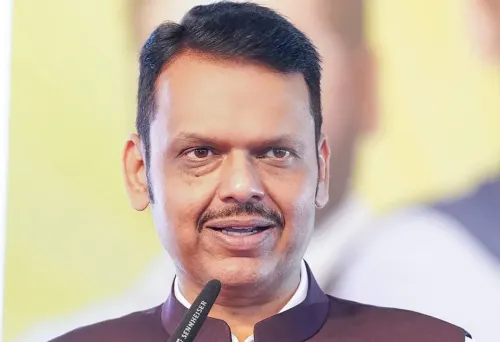
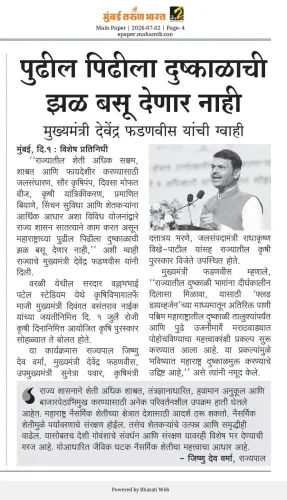
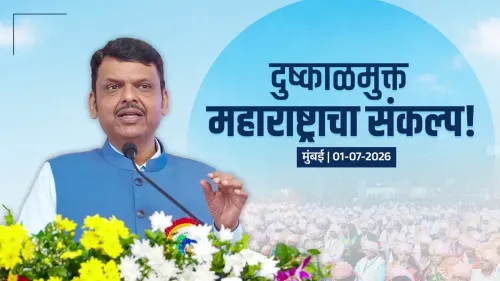
Drought has shadowed Maharashtra's farmers for generations — but Maharashtra Chief Minister Devendra Fadnavis is framing an infrastructure-first answer. Speaking from Nagpur on Sunday, 8 November 2026, Fadnavis declared that accelerating water conservation efforts and river interlinking projects is the state's chosen path to permanent, sustainable water availability.
Posting in both Hindi and Marathi, the Chief Minister stated: 'Shashwat jal uplabdhata ke liye jal sanrakshan aur nadi jod pariyojanaon mein tezi lakar sookhe se sthayi roop se nipatne ka prayas hai' — 'The endeavour is to permanently overcome drought by accelerating water conservation and river interlinking projects for eternal water availability.' The bilingual message, tagged #DiwaliWithFarmers, signals the political as much as the administrative intent: the government is placing farm water security at the centre of its festive-season outreach.
Why Vidarbha and Marathwada Keep Burning
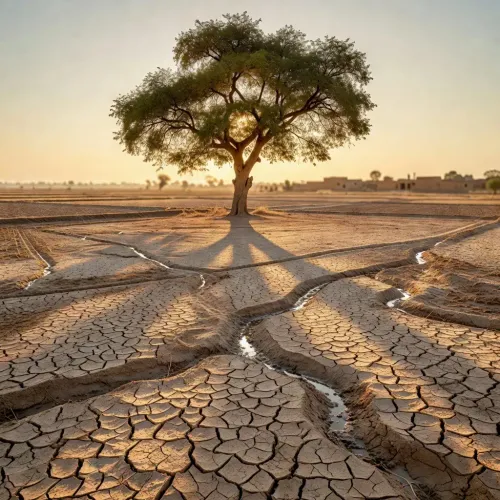
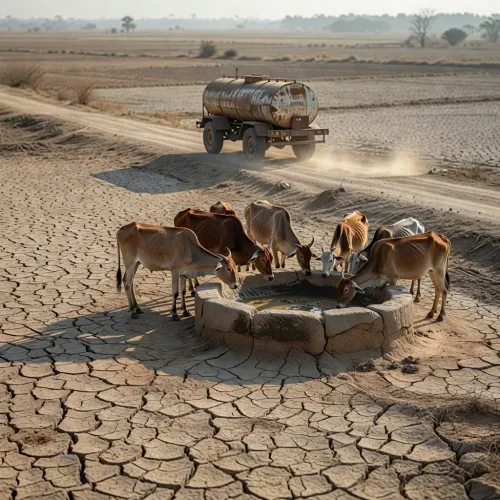
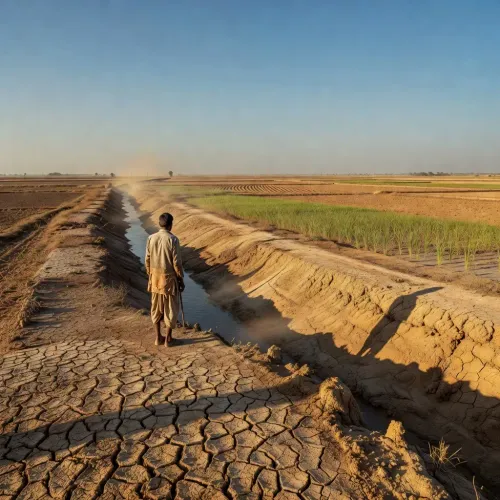
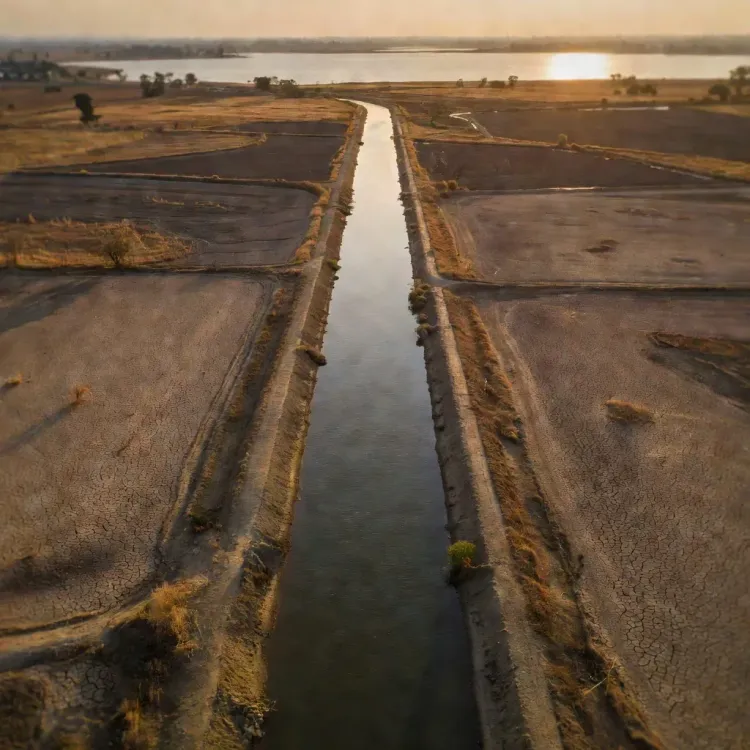
Maharashtra's drought crisis is not new, and it is not shallow. The Vidarbha and Marathwada regions have suffered recurrent, sometimes back-to-back, drought cycles that have crushed cotton and soybean harvests and driven rural distress for decades. The challenge is structural: rainfall is uneven, aquifers are over-exploited, and canal networks built in the last century often fail to reach the last mile.
Successive state governments have attempted fixes. The Jalyukt Shivar Abhiyan, launched in 2015 under Fadnavis's first term as Chief Minister, aimed to build village-level water conservation structures — desilting streams, widening nullahs, constructing check dams — to make individual villages water-surplus within a fixed number of years. That programme drew both praise for its scale and scrutiny over implementation gaps. The current push appears to stack river interlinking atop that village-level foundation.
The River-Linking Bet: Scale, Promise, and Complexity
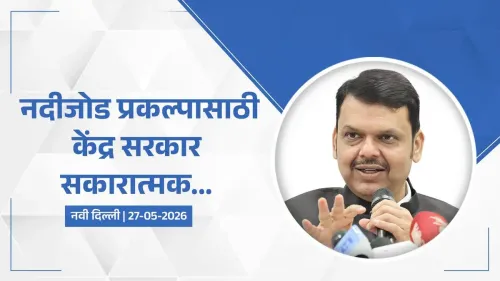
River interlinking is an ambition India has carried since the National Perspective Plan was formulated in the 1980s. The logic is blunt: some river basins flood while others parch. Build the canals, tunnels, and reservoirs to transfer surplus water to deficit zones, and you neutralise the geography of drought. Detailed project reports have been advanced under multiple central governments, but actual execution has remained slow — ensnared by inter-state disputes, environmental clearances, land acquisition, and financing gaps.
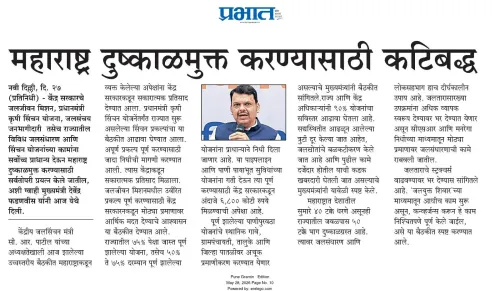
At the state level, Maharashtra has its own network of proposed intra-state links, particularly targeting eastern Maharashtra's water-scarce districts. Fadnavis's statement from Nagpur — Vidarbha's de facto capital and a city he has long represented — carries pointed regional significance. The key question now is whether the 'acceleration' he cites will translate into funded project timelines, cleared forest and revenue land, and construction contracts — or remain a headline.
Farmers at the Centre of a November Message
The #DiwaliWithFarmers hashtag is deliberate political framing. Diwali is the season of Kharif harvest assessment — when farmers know whether the year's gamble on rain paid off. Associating the government's water infrastructure push with Diwali connects a long-horizon infrastructure promise to an immediate, emotionally resonant moment for the farm community.
Drought-prone farmers in Vidarbha and Marathwada remain the most consequential stakeholders in any Maharashtra water policy. For them, the promise of 'permanent' drought-proofing — kayamsvarvpi mat in Marathi, meaning 'lasting victory over drought' — is a phrase they have heard before. What will distinguish this iteration is execution: timelines, funding releases, and integration of river-link canals with existing irrigation networks in eastern Maharashtra.
Point of View
The BJP government is reclaiming the narrative around Vidarbha and Marathwada's chronic water crisis, regions where rural discontent has historically punished incumbents. The river-linking emphasis also allows the state to align with central government infrastructure priorities, potentially unlocking Union funding and political credit. The real test, as with every iteration of this promise in Maharashtra, will be whether bureaucratic momentum, inter-departmental coordination, and capital allocation follow the headline.
NationPress
8 Nov 2026
Frequently Asked Questions
What did CM Devendra Fadnavis announce about Maharashtra drought?
On 8 November 2026, CM Fadnavis announced from Nagpur that Maharashtra will accelerate water conservation and river interlinking projects to permanently overcome drought and ensure sustainable water availability.
What is the Jalyukt Shivar Abhiyan and how does it relate to this?
Jalyukt Shivar Abhiyan was a village-level water conservation programme launched in 2015 under Fadnavis's first term as CM. It forms the earlier foundation of Maharashtra's drought-proofing strategy, which is now being extended with river interlinking.
Which regions of Maharashtra face the worst drought?
Vidarbha and Marathwada are Maharashtra's most drought-prone regions. They suffer recurrent crop failures affecting cotton and soybean farmers, and are the primary focus of the state's water security efforts.
What are river interlinking projects in India?
River interlinking projects aim to transfer water from surplus river basins to water-deficit ones through a network of canals, tunnels, and reservoirs. India's national plan dates to the 1980s, but execution has been slow due to inter-state disputes, environmental clearances, and funding gaps.
Why did Fadnavis use the hashtag DiwaliWithFarmers?
The #DiwaliWithFarmers tag connects the government's long-horizon water infrastructure promise to the Diwali season, which coincides with Kharif harvest assessment — an emotionally and economically significant moment for Maharashtra's farming communities.