CM Fadnavis Pledges Water Planning for Washim Farmers
Synopsis
At Jaulka village in Washim, Maharashtra CM Devendra Fadnavis pledged proper drinking water planning and promised that surplus water storage will be directed to agriculture — a direct commitment to Vidarbha's water-stressed farming communities.
Key Takeaways
CM Devendra Fadnavis made a public water commitment at Jaulka, Washim on 24 September 2026 .
He pledged proper planning of drinking water supply as the first priority.
Surplus water storage, where available, will be allocated for agricultural irrigation .
Washim is in the Vidarbha region, historically affected by recurrent drought and agrarian distress.
Fadnavis previously launched the Jalyukt Shivar Abhiyan in 2015 to build decentralised water storage across drought-prone Maharashtra districts.
Specific project rollout in Jaulka and surrounding villages is the key deliverable to watch.
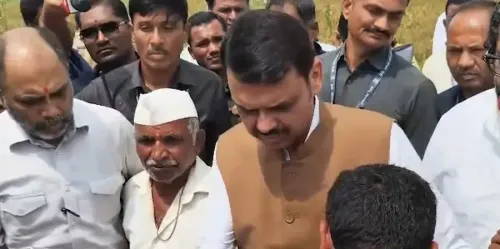
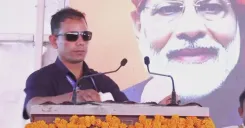
A district known for parched fields and precarious harvests heard a direct commitment on Thursday. At Jaulka village in Washim district, Maharashtra Chief Minister Devendra Fadnavis promised that drinking water supplies will be properly planned and that wherever surplus water storage exists, agricultural irrigation will follow.
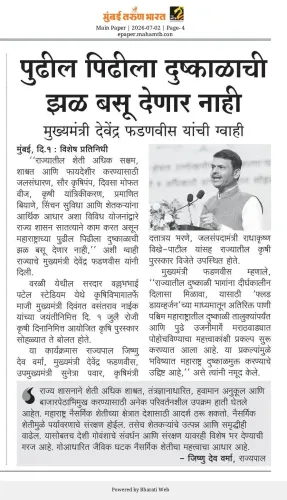
Speaking on 24 September 2026, Fadnavis stated — in both Marathi and Hindi — 'पिण्याच्या पाण्याचे योग्य नियोजन केले जाईल' ('Proper planning of drinking water will be done'), adding that locations with additional water reserves will see that surplus directed to farming. The bilingual declaration, addressed to constituents in the Vidarbha heartland, was a pointed signal to an audience that has long battled drought cycles.
Vidarbha's Water Crisis and Why Washim Is Ground Zero
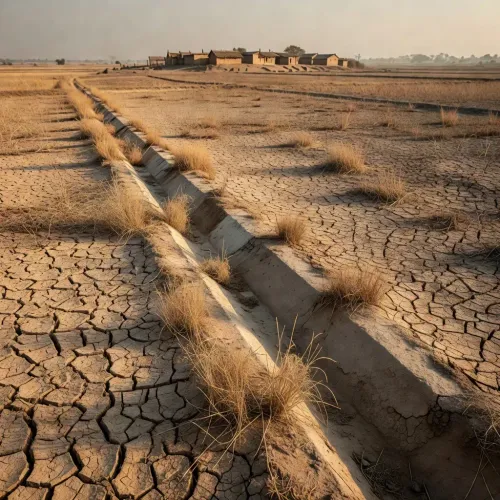
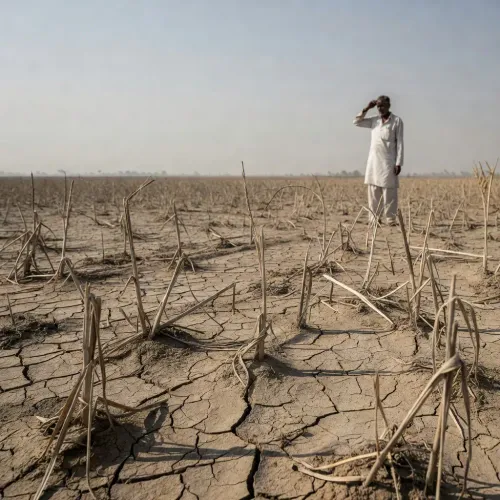
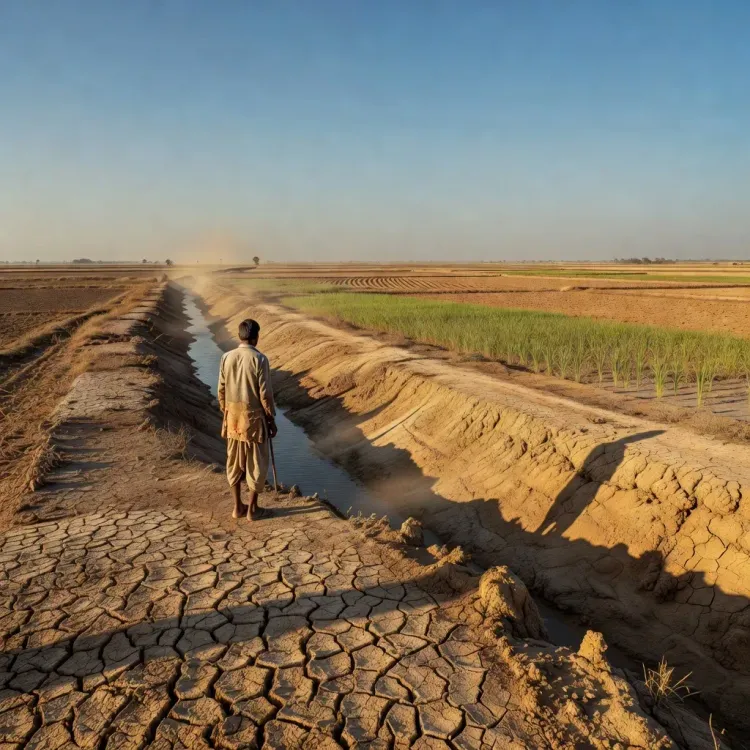
Washim sits deep in Maharashtra's Vidarbha region, a belt historically synonymous with agrarian distress. Variable monsoon seasons repeatedly leave farmers oscillating between flooded fields one year and cracked, dry soil the next. The challenge is structural: drinking water security and irrigation needs compete for the same scarce storage, and district-level planning has rarely kept pace with demand. This tension is not new to Fadnavis. During his earlier tenure as Chief Minister, he launched the Jalyukt Shivar Abhiyan — a decentralised water conservation scheme designed in 2015 to build watershed structures across drought-prone districts, including those in Vidarbha. The idea was to reduce dependence on large dams by creating smaller, community-level storage points spread across villages. Washim was among the districts targeted.What Fadnavis Is Now Promising — and What It Means for Farmers
Thursday's statement draws a clear line of priority: drinking water comes first, and surplus storage — wherever it genuinely exists — feeds the fields. That sequencing matters enormously in a region where farmers often accuse administrators of over-allocating water to towns while leaving agriculture high and dry. By visiting Jaulka specifically and making the commitment on the ground rather than from Mumbai, Fadnavis is signalling that Vidarbha's water problem is being treated as a governance priority, not a campaign footnote. The test will come in the months ahead: whether specific storage or distribution projects are commissioned in Jaulka and surrounding villages, and how those link to district-level drought mitigation budgets. For Washim's farming households, the promise is straightforward. Adequate drinking water and a shot at reliable irrigation could stabilise livelihoods in a district where agriculture remains the primary income source. Whether Thursday's words translate into pipelines and irrigation channels is the question this region has been asking — and watching — for decades.Point of View
He is reinforcing the BJP's bid to consolidate rural Vidarbha support while signalling continuity with his earlier Jalyukt Shivar Abhiyan framework. The real test is institutional follow-through: successive Maharashtra governments have made similar promises, and the gap between announcement and water delivery remains the region's most persistent grievance.
NationPress
24 Sept 2026
Frequently Asked Questions
What did CM Fadnavis promise at Washim on 24 September 2026?
CM Devendra Fadnavis promised proper planning of drinking water supply and said that where surplus water storage is available, that water will be provided for agricultural irrigation.
Where is Jaulka located?
Jaulka is a village in Washim district, which lies in the Vidarbha region of Maharashtra.
What is Jalyukt Shivar Abhiyan?
Jalyukt Shivar Abhiyan is a Maharashtra government water conservation scheme launched in 2015 under Fadnavis's earlier tenure, aimed at building decentralised watershed structures to reduce drought vulnerability across rural districts.
Why does Washim face water scarcity?
Washim is in Vidarbha, a region that experiences highly variable monsoons, leading to recurring cycles of drought and water deficit that affect both drinking water availability and agricultural irrigation.
What is the significance of Fadnavis visiting Jaulka in person?
An on-ground visit signals that the government is treating Washim's water challenges as an active governance priority rather than a distant administrative issue, and it puts the CM's direct commitment on record before local constituents.