CM Fadnavis Visits Nagpur Farm, Vows Direct Drought Aid
Synopsis
Maharashtra Chief Minister Devendra Fadnavis visited farmer Baburao Kale's fields in Kohali, Kalmeshwar taluka, Nagpur on 8 November 2026, inspecting drought-hit crops and promising swift direct-benefit relief as the state activates its drought response mechanism for the Vidarbha region.
Key Takeaways
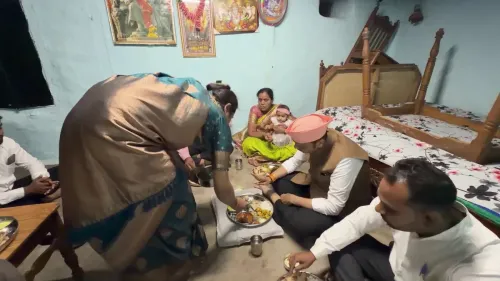
CM Devendra Fadnavis personally visited farmer Baburao Kale's fields in Kohali village, Kalmeshwar taluka, Nagpur district on 8 November 2026 .
The visit involved a formal crop inspection to assess drought damage, feeding into the state's relief disbursement process.
Fadnavis assured that the government has initiated 'necessary action' and that farmers will receive direct financial assistance through an expedited process.
Vidarbha and Marathwada are Maharashtra's most drought-vulnerable regions, with relief packages activated as far back as 2019 .
The hashtag #DiwaliWithFarmers signals political intent to visibly prioritise farmer distress during the festive season.
Formal drought notifications for affected talukas and direct benefit transfers are the key administrative milestones to watch in coming weeks.
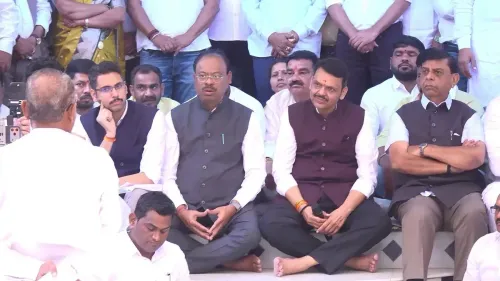
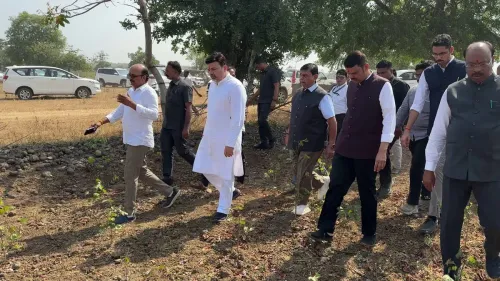
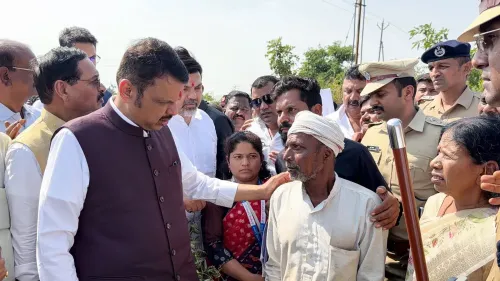
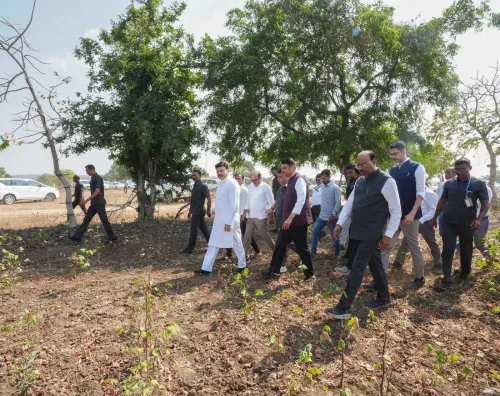
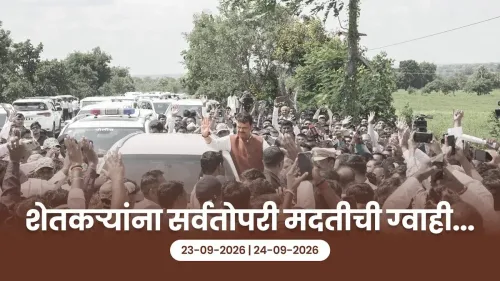
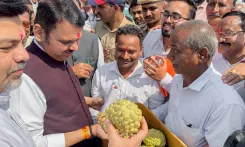
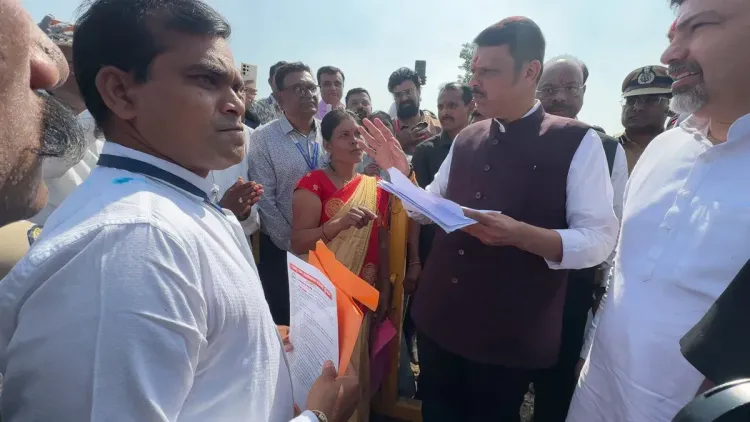
Drought does not wait for a convenient calendar. On Sunday, 8 November 2026, Maharashtra Chief Minister Devendra Fadnavis walked into the fields of farmer Baburao Kale in Kohali village, Kalmeshwar taluka, Nagpur district — ground-truthing crop damage firsthand as the state's post-monsoon distress deepens across the Vidarbha region.
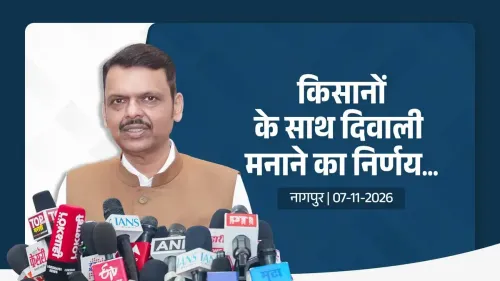
Posting in Marathi on X with the hashtag #DiwaliWithFarmers, Fadnavis wrote that the government has initiated 'necessary action taking into account the severity of the drought,' and gave his personal assurance that farmers will receive 'all possible help' through a direct-benefit process now being implemented.What Fadnavis Saw in Kohali's Fields
The visit to Baburao Kale's farm was not a photo opportunity alone — it was a formal crop inspection, a step that feeds into the state's administrative mechanism for quantifying damage before relief is disbursed. Kalmeshwar taluka falls in Nagpur district's agrarian belt, part of the broader Vidarbha belt that has historically suffered the worst of Maharashtra's drought cycles. The Chief Minister's physical presence on the farm signals that the administration is treating this season's distress as urgent rather than routine.
Vidarbha's Drought Cycle — and Why It Keeps Coming Back
Vidarbha and Marathwada together form Maharashtra's most drought-vulnerable geography, and successive state governments — across party lines — have been compelled to declare drought and roll out compensation packages, including significant measures as far back as 2019. The pattern is well-worn: erratic monsoons batter rain-fed cotton and soybean crops, then senior leaders descend for field inspections, triggering a formal relief pipeline. What farmers have consistently demanded is speed — the gap between inspection and cash in hand is where distress turns to crisis.
Fadnavis' assurance of a 'direct benefit' process points to the state's intent to route compensation without bureaucratic delay, using existing direct-transfer infrastructure. Whether formal drought notifications follow for Kalmeshwar and neighbouring talukas in the coming weeks will determine how wide the relief net is cast.
Diwali Framing — and the Political Signal It Sends
The hashtag #DiwaliWithFarmers is deliberate. Diwali — arriving this week — is typically a season of economic activity and celebration, but for a drought-hit farmer staring at a failed crop, it can be the bleakest point of the year: input loans unpaid, harvest below expectation, and household expenses peaking. By physically spending part of the festival week in a Nagpur field, Fadnavis is sending a message to Vidarbha's farming communities that the government sees their reality. The optics matter as much as the policy announcement itself.
Direct benefit transfers and a formal drought declaration for affected talukas are the two concrete outcomes farmers and observers will now track. The Chief Minister has set the expectation; the administrative machinery must deliver before the next sowing season closes the window.
Point of View
A region that has historically oscillated between political parties based on how effectively crop-loss relief is delivered. The 'direct benefit' framing is significant — it aligns with the Centre's DBT architecture and allows the state to demonstrate accountability and speed, two factors farmers have consistently cited as more important than the quantum of relief. The #DiwaliWithFarmers hashtag also suggests a coordinated communication strategy aimed at softening rural anger during a politically sensitive festive period. The real test will come when the administrative machinery must translate a Chief Minister's field promise into verified compensation credits before the next kharif season.
NationPress
8 Nov 2026
Frequently Asked Questions
Why did CM Fadnavis visit a farm in Nagpur on 8 November 2026?
CM Devendra Fadnavis visited farmer Baburao Kale's fields in Kohali village, Kalmeshwar taluka, Nagpur to inspect drought-hit crops and assess the severity of agricultural distress in the Vidarbha region.
What relief did Fadnavis promise to drought-affected farmers in Nagpur?
Fadnavis assured that the Maharashtra government has initiated necessary action in view of the drought's severity and that a direct-benefit process is being implemented to ensure farmers receive all possible financial assistance.
Which region of Maharashtra is most affected by drought?
Vidarbha and Marathwada are Maharashtra's most drought-prone regions, with Nagpur district in Vidarbha frequently experiencing crop damage due to erratic monsoon patterns.
What does the hashtag DiwaliWithFarmers mean in Fadnavis' post?
The hashtag signals the Maharashtra government's intent to prioritise farmer welfare during the Diwali festive season, underscoring that the administration is actively engaged with rural distress even during the holidays.
What is a direct benefit transfer for drought relief in Maharashtra?
Direct benefit transfer routes crop-loss compensation directly into farmers' bank accounts without intermediaries, aiming to reduce delays in relief disbursal — a process the state has used in previous drought declarations.