CM Fadnavis hails India's Naxal-free milestone this Diwali
Synopsis
Maharashtra CM Devendra Fadnavis on Diwali 2026 hailed India's achievement of becoming Naxal-free under PM Modi and Home Minister Amit Shah, calling it a historic victory of peace over decades of left-wing extremist violence.
Key Takeaways
CM Devendra Fadnavis posted on 8 November 2026 declaring every district in India free from Naxalism.
He credited PM Narendra Modi 's leadership and Amit Shah 's guidance for the historic milestone.
The SAMADHAN strategy , launched in 2017 , combined security operations, infrastructure development, and rehabilitation to counter left-wing extremism.
Official data over the past decade showed a progressive reduction in Naxal-related violence and geographical spread.
Fadnavis framed the Diwali festival as a symbol of the nation's transformation from fear to security for crores of citizens.
Formal government notification of the updated district list and rehabilitation programme reviews remain the next milestones to watch.
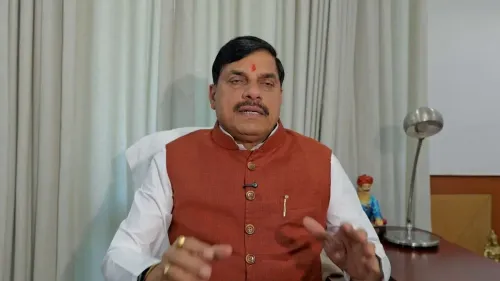
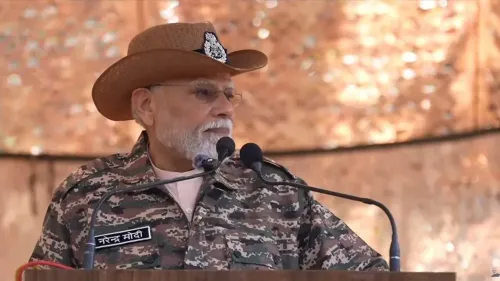
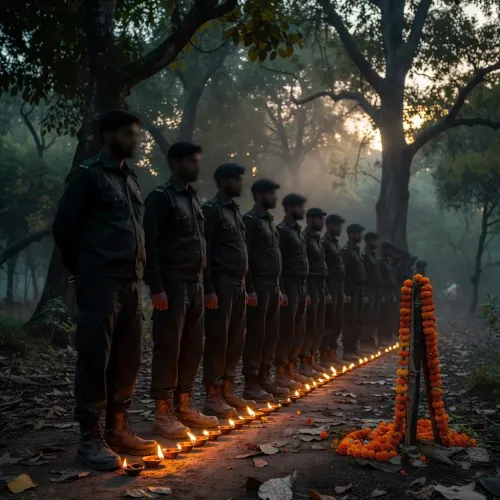
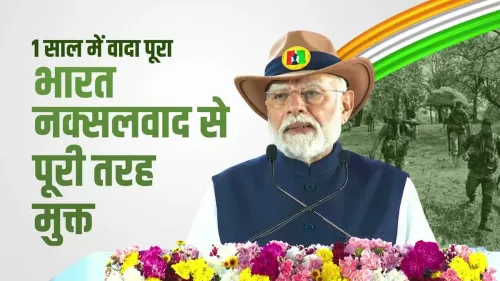
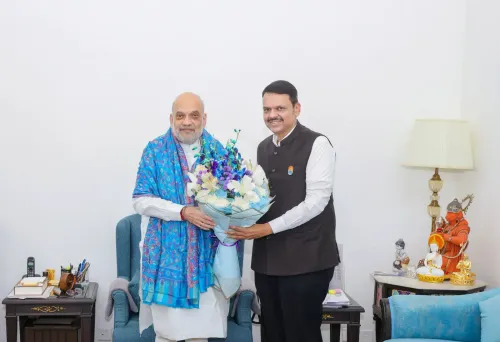
This Diwali, Maharashtra Chief Minister Devendra Fadnavis declared it a celebration of something far larger than festival lights — the victory of trust over fear, and of peace over decades of Naxal and Maoist violence. In a post on Sunday, 8 November 2026, Fadnavis credited the leadership of Prime Minister Narendra Modi and the guidance of Union Home Minister Amit Shah with achieving what he called a historic milestone: every district in India now free from Naxalism.
Posting in Hindi, Fadnavis wrote: 'इस दिवाली देश मना रहा है भय पर विश्वास और नक्सलवाद व माओवाद पर शांति की विजय का उत्सव!' ('This Diwali, the country is celebrating the victory of trust over fear and of peace over Naxalism and Maoism!'). He called the festival of lights a symbol of a transformation in which every district of the country has been freed from Naxalism, and crores of citizens are stepping out of the shadow of fear toward a safer future.
Decades of left-wing extremism, and the SAMADHAN turn
The fight against left-wing extremism in central and eastern India has spanned multiple governments and cost thousands of lives — among security forces, civilians, and those caught in between. The geographical spread of Naxal influence once covered large swathes of the so-called 'Red Corridor', running through parts of Chhattisgarh, Jharkhand, Odisha, Maharashtra, Telangana and neighbouring states.
The strategic shift sharpened in 2017 when the Ministry of Home Affairs launched the SAMADHAN strategy — an integrated framework combining security operations, infrastructure development, and rehabilitation to squeeze Naxal influence from multiple directions simultaneously. Official data over the following years recorded a progressive reduction in violent incidents and a shrinkage in the number of districts officially classified as affected.
Modi and Shah's internal-security imprint
Amit Shah, as Union Home Minister, has made the elimination of left-wing extremism a headline deliverable of the BJP-led government's internal security agenda. Regular high-level reviews, stepped-up joint operations by the Central Reserve Police Force and state police, and an aggressive push on roads, mobile connectivity, and banking in tribal regions have all been cited as contributing factors.
Fadnavis, himself a former Home Minister of Maharashtra — a state with Naxal-affected pockets in its Gadchiroli district — brings first-hand familiarity to this claim. His post frames the Diwali moment not merely as a seasonal greeting but as a political and civilisational milestone.
What the 'Naxal-free' declaration means — and what comes next
The claim that every district in India is now Naxal-free, if officially confirmed by the government, would represent a landmark endpoint to one of independent India's longest internal conflicts. The next markers to watch are formal government notifications on the revised list of left-wing extremism-affected districts, and parliamentary or state-level reviews of rehabilitation and development programmes for tribal communities who lived under the shadow of that conflict for generations.
The real test of this Diwali's promise will be written not in security bulletins, but in the lives of those tribal communities finally able to build a future without fear.
Point of View
Using Diwali — India's most visible festival of light over darkness — to frame a security achievement as a civilisational turning point. By attributing the milestone to Modi and Shah by name, the post reinforces the BJP's core governance narrative of decisive internal security delivery ahead of potential electoral cycles. The reference to Gadchiroli-adjacent Maharashtra gives Fadnavis personal credibility on the issue, beyond routine political messaging. If the government formally notifies a Naxal-free district map, it will mark a significant close to the longest chapter of India's post-independence internal security story — one the ruling coalition will work hard to own.
NationPress
8 Nov 2026
Frequently Asked Questions
Has India really become completely Naxal-free in 2026?
CM Devendra Fadnavis claimed on 8 November 2026 that every district in India is now free from Naxalism, attributing it to PM Modi and Home Minister Amit Shah. The government's formal official notification of the revised affected-district list would serve as the definitive confirmation.
What is the SAMADHAN strategy against Naxalism?
The SAMADHAN strategy was launched by the Ministry of Home Affairs in 2017 as an integrated approach combining intensified security operations, infrastructure development in tribal regions, and rehabilitation programmes to reduce left-wing extremism across central and eastern India.
Which states were most affected by Naxal violence in India?
The so-called 'Red Corridor' historically spanned parts of Chhattisgarh, Jharkhand, Odisha, Maharashtra, Telangana and neighbouring states, with Gadchiroli in Maharashtra among the most affected districts.
What role did Amit Shah play in India's anti-Naxal operations?
As Union Home Minister, Amit Shah oversaw regular high-level reviews and coordinated joint operations between the CRPF and state police forces, alongside infrastructure pushes in tribal areas, as part of the drive to eliminate left-wing extremism.
Why did Devendra Fadnavis post about Naxalism on Diwali?
Fadnavis framed Diwali's symbolic meaning — light triumphing over darkness — as a metaphor for India's security transformation, declaring it a celebration of trust over fear and of peace over Naxal and Maoist violence.