Diabetes affecting younger Indians: Minister Jitendra Singh urges early detection
Synopsis
India's diabetes burden is shifting downward in age — and a Union Minister is raising the alarm from Rome. Speaking on World Diabetes Day, Jitendra Singh warned that younger Indians are increasingly at risk and called lifestyle change, not just medication, the frontline defence. With one of the world's largest diabetic populations, India's window for preventive action is narrowing.
Key Takeaways
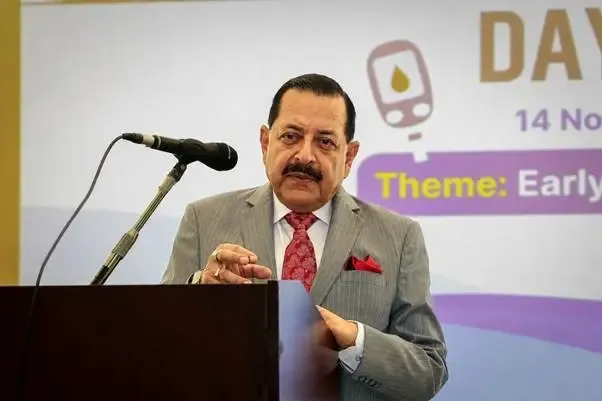
Union Minister Jitendra Singh spoke at a World Diabetes Day event at the Indian Embassy in Rome on 14 November 2026 .
He warned that diabetes is increasingly being diagnosed among younger age groups , traditionally a condition of middle-aged and older populations.
The minister stressed lifestyle modification, obesity control, and early diagnosis over drug therapies as the most effective preventive tools.
Indians face heightened risk due to susceptibility to central obesity , a key metabolic risk factor for diabetes.
Government initiatives cited include Ayushman Bharat wellness centres, mass screening programmes, and campaigns promoting yoga and healthy lifestyles.
India is home to one of the world's largest diabetic populations and can contribute expertise to global prevention efforts, Singh said.
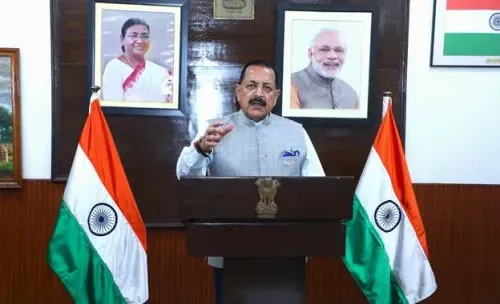
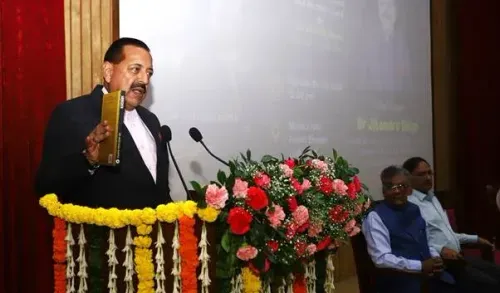
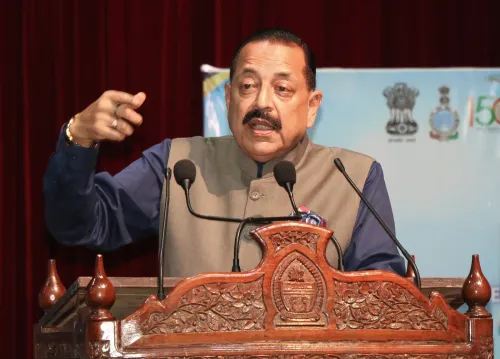
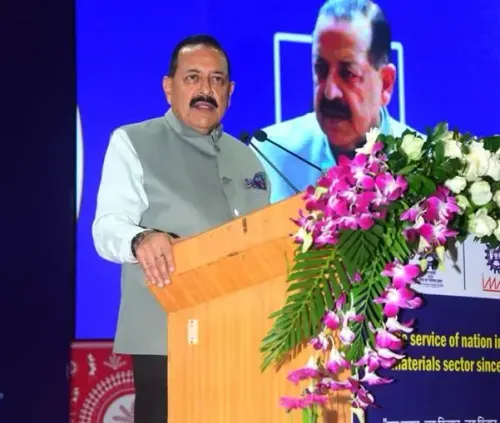
Union Minister of State for Science and Technology Jitendra Singh on 14 November 2026 sounded an alarm over diabetes increasingly striking younger age groups, calling for stronger emphasis on early detection, lifestyle modification, and preventive healthcare to ease the growing burden on India's public health systems. The minister was addressing a World Diabetes Day event at the Indian Embassy in Rome during an official visit to Italy.
Key Concerns Raised by the Minister
Singh underscored that diabetes — traditionally associated with middle-aged and older populations — is now being diagnosed with rising frequency among younger individuals. He warned that early onset carries long-term consequences for health, productivity, and quality of life, while significantly elevating risks of complications affecting the heart, kidneys, and eyes.
He also highlighted Indians' particular susceptibility to central obesity, a leading metabolic risk factor, stressing the urgent need to deepen public awareness and reinforce preventive healthcare infrastructure.
Lifestyle Measures Over Drug Therapies
Referencing this year's theme — 'Early Action on Diabetes' — Singh argued that despite advances in pharmaceutical treatments, lifestyle modification, obesity control, healthy eating habits, and regular physical activity remain the most effective tools for preventing and managing the disease. He said timely diagnosis and early intervention are critical to curbing long-term complications.
The minister also drew attention to the interconnected cluster of metabolic disorders — obesity, diabetes, hypertension, dyslipidemia, and cardiovascular disease — noting that the government has accorded priority to tackling these through a broader preventive healthcare strategy.
India's Public Health Initiatives
Singh pointed to several ongoing government-led efforts as part of India's response to the rising tide of non-communicable diseases. These include wellness centres, mass screening programmes, and improved healthcare access under the Ayushman Bharat scheme, alongside national campaigns promoting yoga and healthier lifestyles.
He noted that India, home to one of the world's largest diabetic populations, has built substantial expertise in managing the condition and is well-placed to contribute knowledge to global anti-diabetes efforts.
Event and Audience
The World Diabetes Day event in Rome was attended by members of the Indian diaspora, including students, professionals, entrepreneurs, and women representatives. The gathering marked the minister's official visit to Italy and coincided with the global observance of World Diabetes Day on 14 November.
As India confronts an escalating diabetes epidemic — particularly among urban youth — Singh's remarks signal the Centre's intent to shift the national health conversation toward prevention and early action rather than reactive treatment alone.
Point of View
Particularly in rural and semi-urban areas, stays thin. Ayushman Bharat has expanded access to treatment, but prevention infrastructure — nutrition counselling, structured physical activity programmes, and community-level metabolic screening — has not kept pace. The irony is that India possesses both the clinical expertise and the policy vocabulary to lead on this issue globally, yet the domestic burden continues to grow. A World Diabetes Day speech in Rome is a useful signal; whether it translates into measurable screening targets and enforceable nutrition standards at home is the real question.
NationPress
14 Nov 2026
Frequently Asked Questions
What did Union Minister Jitendra Singh say on World Diabetes Day?
Jitendra Singh, Minister of State for Science and Technology, called for greater focus on early detection and lifestyle modification to combat rising diabetes rates in India. Speaking at the Indian Embassy in Rome on 14 November, he warned that the disease is increasingly affecting younger age groups and placing a growing burden on public health systems.
Why is diabetes now affecting younger Indians?
Singh did not cite a single cause but pointed to central obesity — to which Indians are particularly susceptible — alongside unhealthy diets and sedentary lifestyles as key drivers of early-onset diabetes. He stressed that early diagnosis is critical to preventing long-term complications affecting the heart, kidneys, and eyes.
What government programmes are addressing diabetes in India?
The Centre has flagged wellness centres, mass screening programmes, and healthcare access under the Ayushman Bharat scheme, as well as national yoga and healthy lifestyle campaigns, as part of its strategy to reduce the burden of non-communicable diseases including diabetes.
What is the theme of World Diabetes Day 2026?
The theme for this year's World Diabetes Day is 'Early Action on Diabetes', which emphasises timely diagnosis and prompt intervention to curb the spread of the disease and limit long-term complications — a focus that underpinned Singh's remarks in Rome.
How significant is India's diabetes burden globally?
India is home to one of the world's largest diabetic populations, according to the minister's statement. Singh said this experience positions India well to contribute knowledge and expertise to global anti-diabetes efforts.